

The flipped classroom has become one of the most talked-about teaching methods in recent years, especially as schools and colleges shift toward more flexible, student-centred styles of learning. But many educators still picture it as a single format where students read learning material or watch videos at home and do activities in class. But today flipped learning has grown into several models, each suited to different teaching styles, subjects, and levels of tech readiness.
If you’re planning to bring flipped teaching into your lessons or you’ve tried it once and found it tricky, the key is to choose the version that fits your classroom. This will help you avoid forcing yourself into a rigid template. That’s where understanding the different models can make your work smoother and far more effective.
Below is a clear, practical guide to the main flipped classroom variations educators use today. These models work well across both K–12 and higher education and connect naturally with tools found in a modern digital classroom, including devices like an interactive display panel.
Why Flipped Learning Comes in Many Forms
A single approach rarely works for every school. Class size, curriculum design, student habits, internet access at home, and even the teacher’s comfort with technology all influence how realistic a flipped approach feels.
For example:
- A higher-secondary physics teacher may have students who can handle pre-class videos.
- A primary school teacher may prefer introducing content through short tasks done inside the classroom.
- A college faculty member may lean toward a self-paced system.
Each of these situations needs a different flipped classroom model. Knowing your options helps you pick the version that fits your environment instead of trying something that doesn’t match your teaching style.
7 Different Types of Flipped Classroom Models
1. The Standard (Traditional) Flip
This is the version most teachers hear about first. Students learn the basic concept before class, usually through a short video or reading, and class time is spent applying what they learned. It gives you more room for problem-solving, discussion, and hands-on tasks.
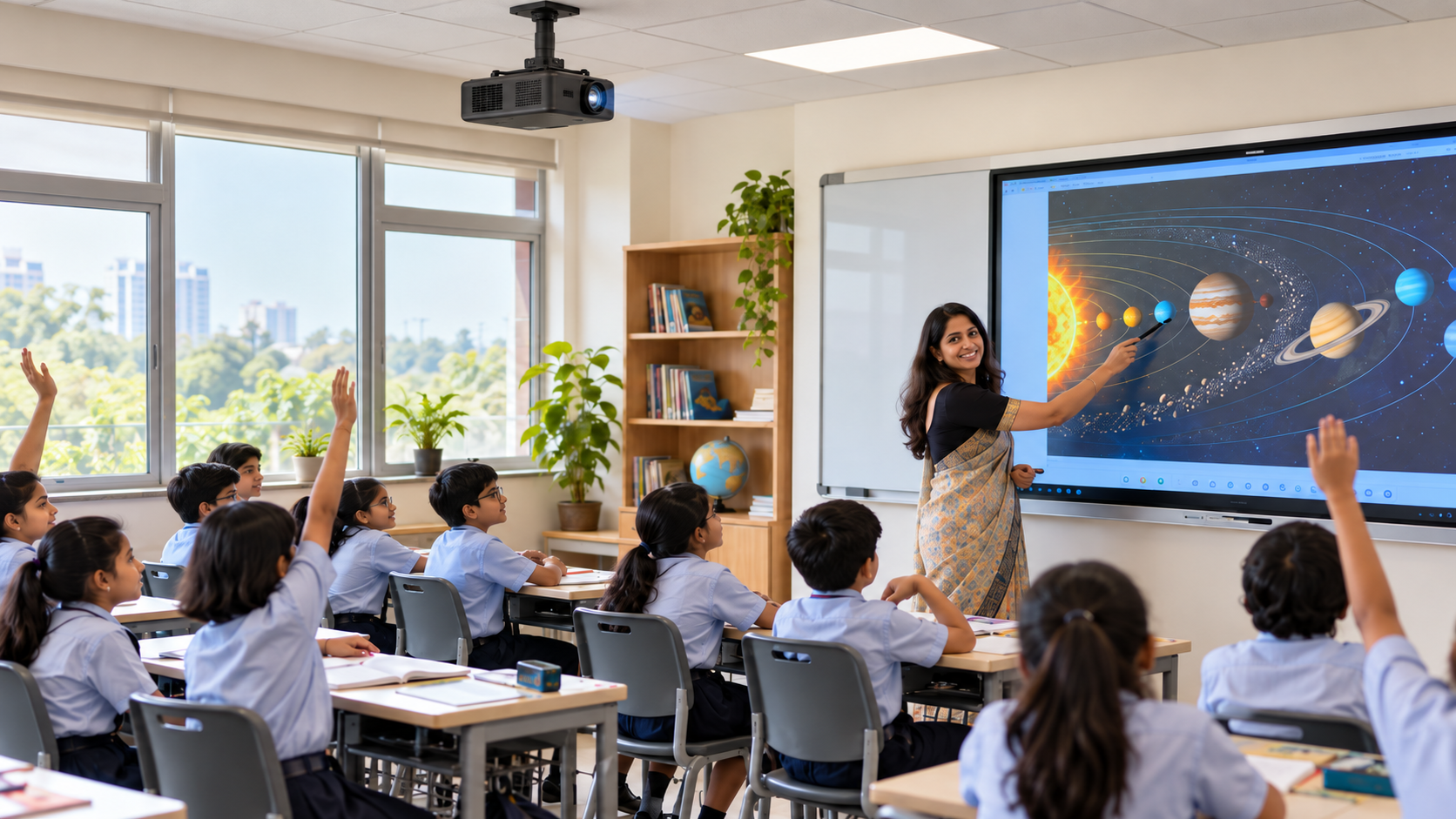
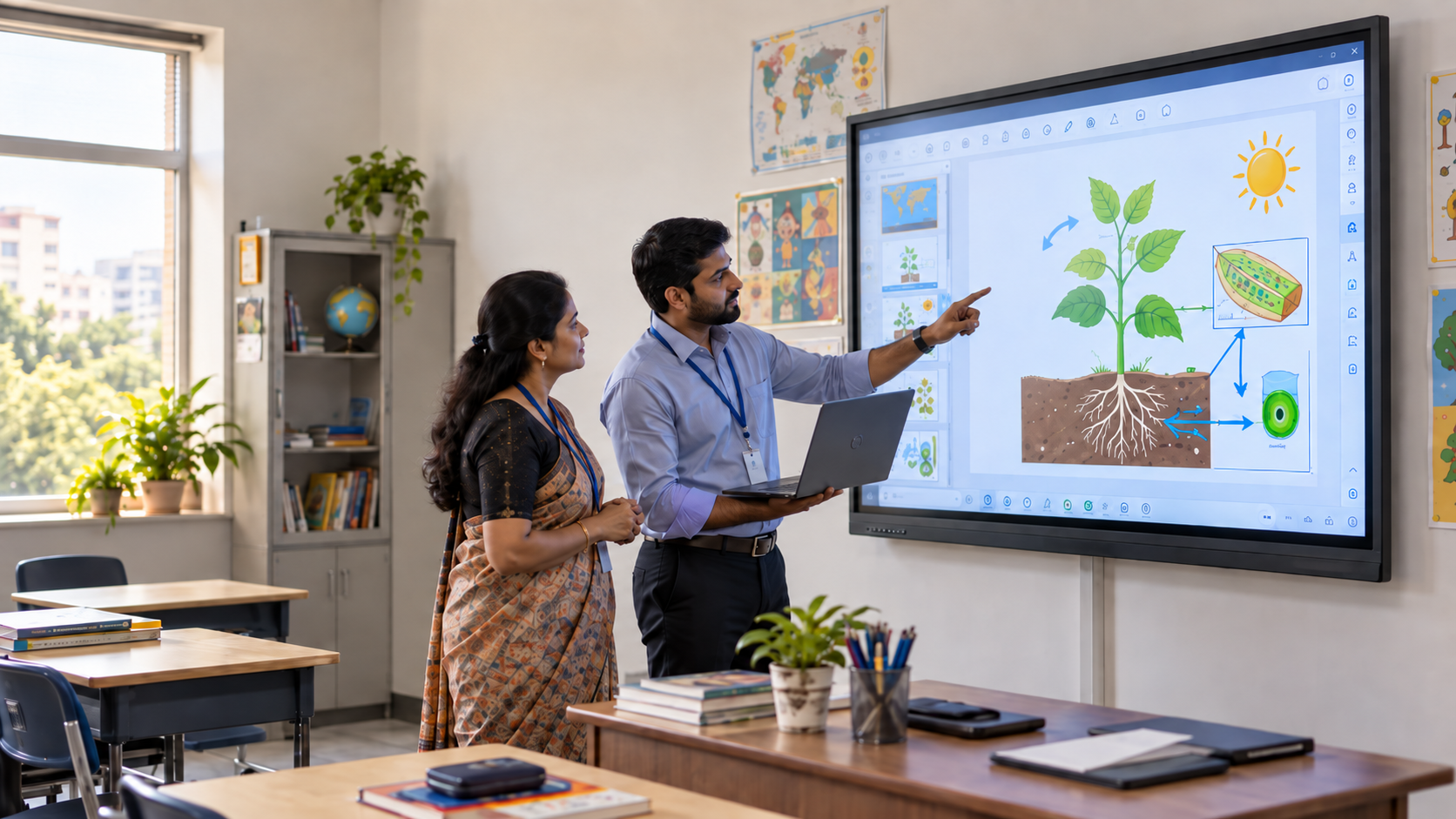
Subjects that require deeper thinking during class, like science or higher-level math, often work well with this format. Teachers working in a digital classroom setup tend to find the standard flip easier because students can start class ready to talk, practice, or explore. Tools like an interactive display panel also help bring everyone together during the activity stage.
2. The In-Class Flip

Many Indian classrooms face one big challenge: not every student has a device or internet access at home. The in-class flip solves that problem. Instead of assigning learning materials as homework, you bring them into the room.
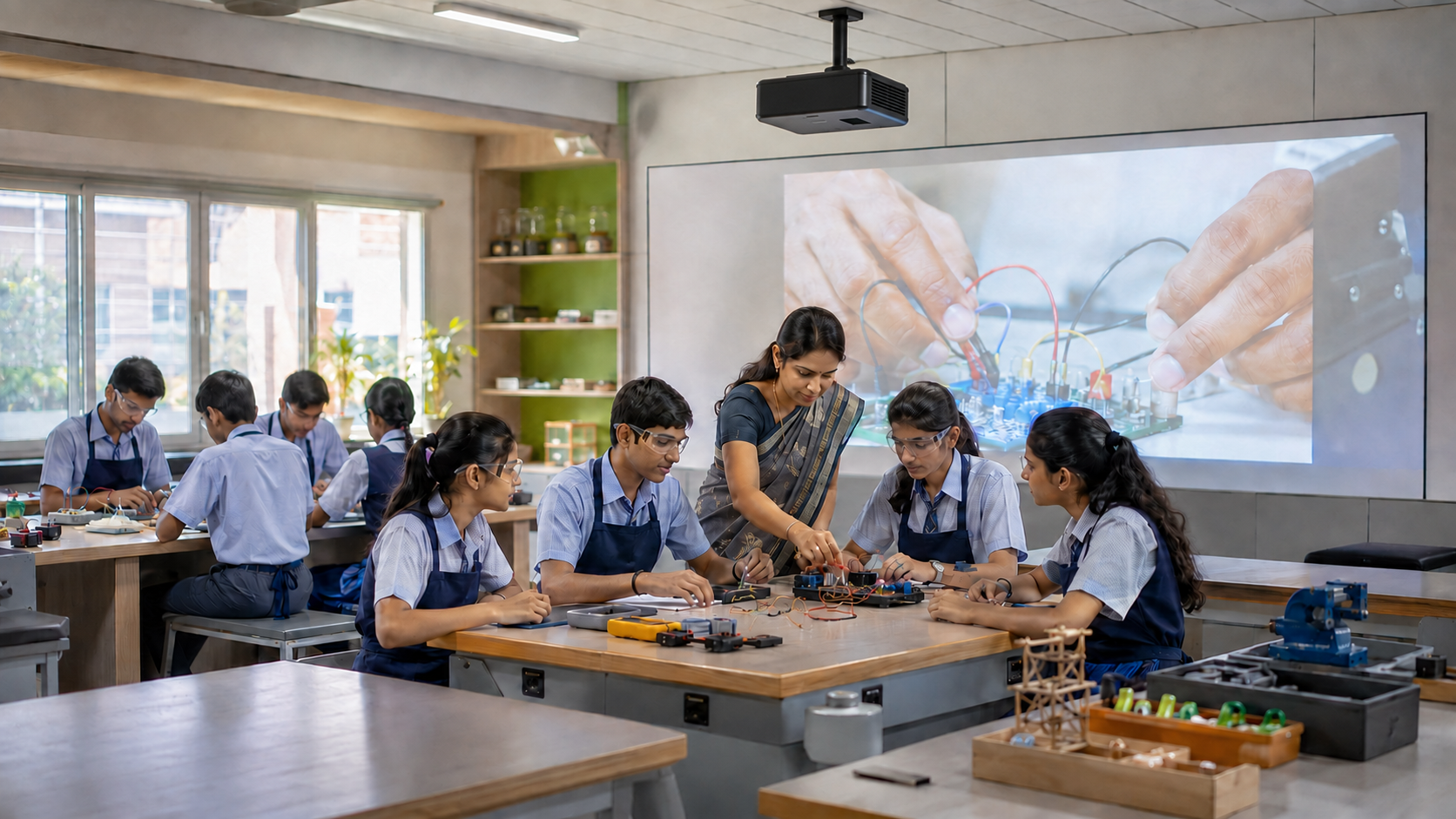
Students rotate through stations. One spot might have a short video, another might include printed notes, and a third may involve an activity. They learn the concept at their own pace while you support them in real time.
This flipped classroom model is practical for schools where access to tech varies or where teachers want more control over the learning moment. It also supports shy or struggling students who may hesitate to ask questions after watching something alone at home.
3. The Micro Flip
If you’re unsure about going all-in with flipped teaching, the micro flip is a gentle way to start. You shift only a tiny part of the lesson outside class, maybe a quick definition, a short demonstration, or a brief explainer.
This helps younger students get used to the idea without feeling overloaded. It’s also useful for teachers who want to try flipped learning but don’t have the time to create lengthy videos. Subjects like languages and early math benefit especially well from these bite-sized flips.
4. The Partial Flip
A full flip for every lesson can be unrealistic when you’re balancing exams, deadlines, and long syllabi. The partial flip gives you the freedom to flip only the lessons that truly benefit from it.
For example:
• A science teacher may flip only experiment-heavy chapters.
• An English teacher may flip only grammar introductions.
• A commerce professor may flip case-based units.
This approach lets you experience the advantages of flipped classrooms without adding unnecessary pressure to your week.
5. The Group-Based Flip
Some students work better when they learn together, and some classrooms simply function more smoothly when tasks are shared. The group-based flip is built around that idea.
Instead of asking students to learn a concept alone before class, you let small groups review the material together. They watch a clip, read a summary, or look at a diagram and talk through it before joining a whole-class activity.
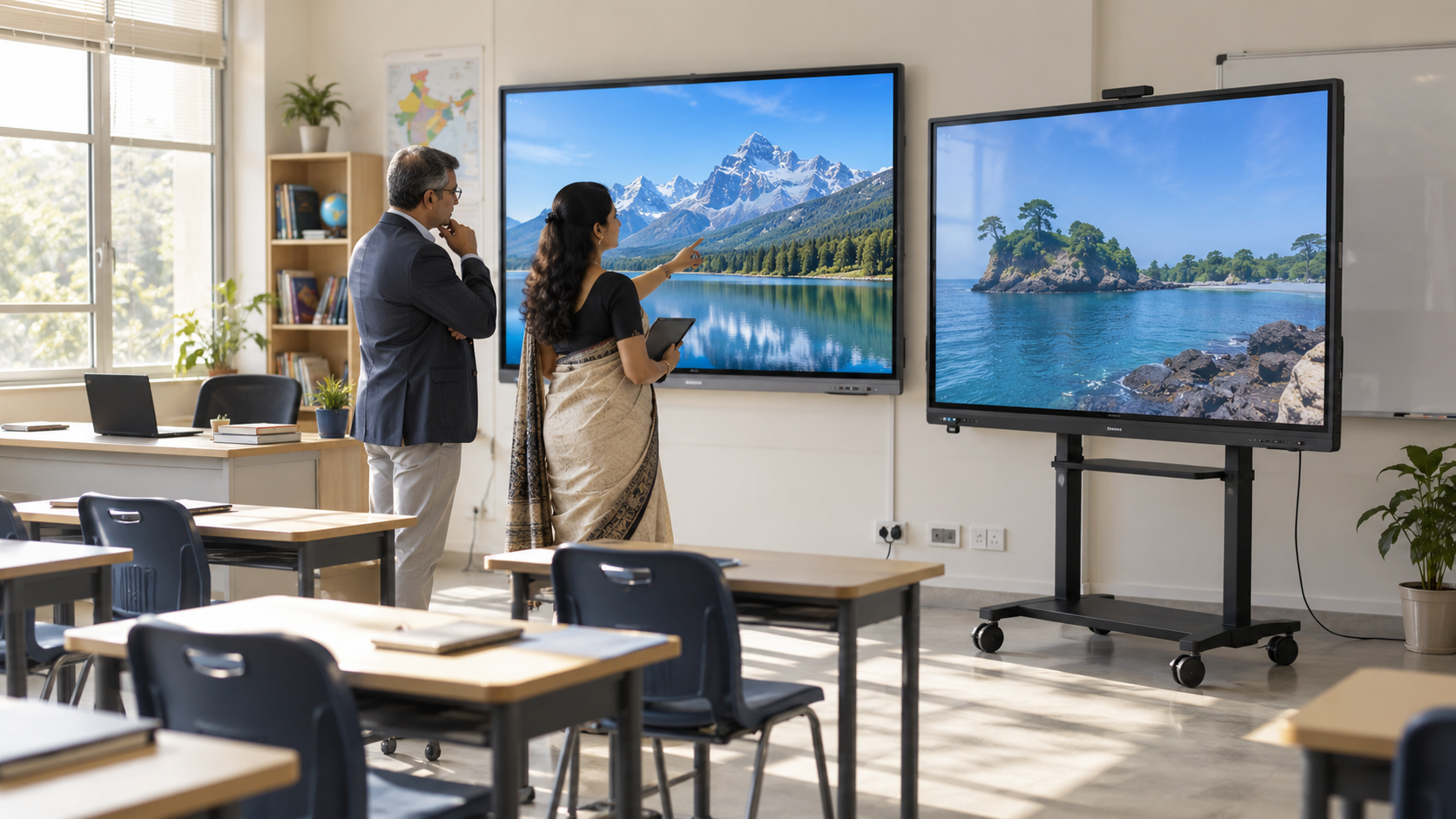
This model is helpful in mixed-ability groups because peers naturally support each other. It also eases the burden on students who may not have ideal study conditions at home. Teachers using a digital classroom setup often find that group-based flips work nicely with shared screens or collaborative tools.
6. The Flipped Mastery Model
This flipped classroom model is the most flexible and student-driven version. Students watch lessons, complete tasks, and move forward only when they’re truly ready. There’s no pressure for everyone to move at the same pace.
Teachers guide students individually, stepping in where needed and encouraging independence everywhere else. It works particularly well in higher grades and courses where skills build steadily over time.
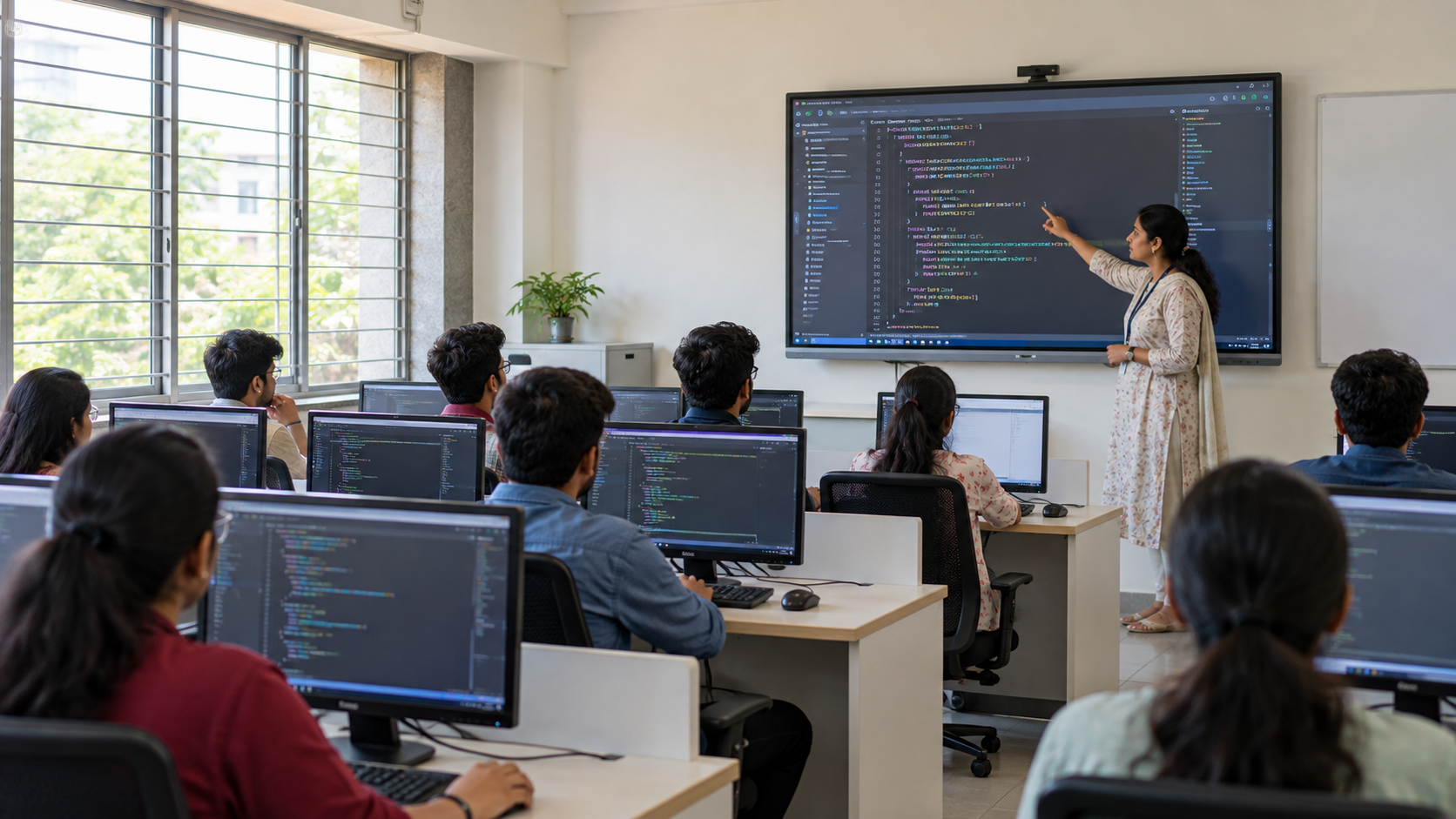
A digital smart classroom setup supports this model well since tools like progress trackers, quick assessments, and shared content help you manage different learning speeds without losing sight of any student.
7. The Virtual Flip
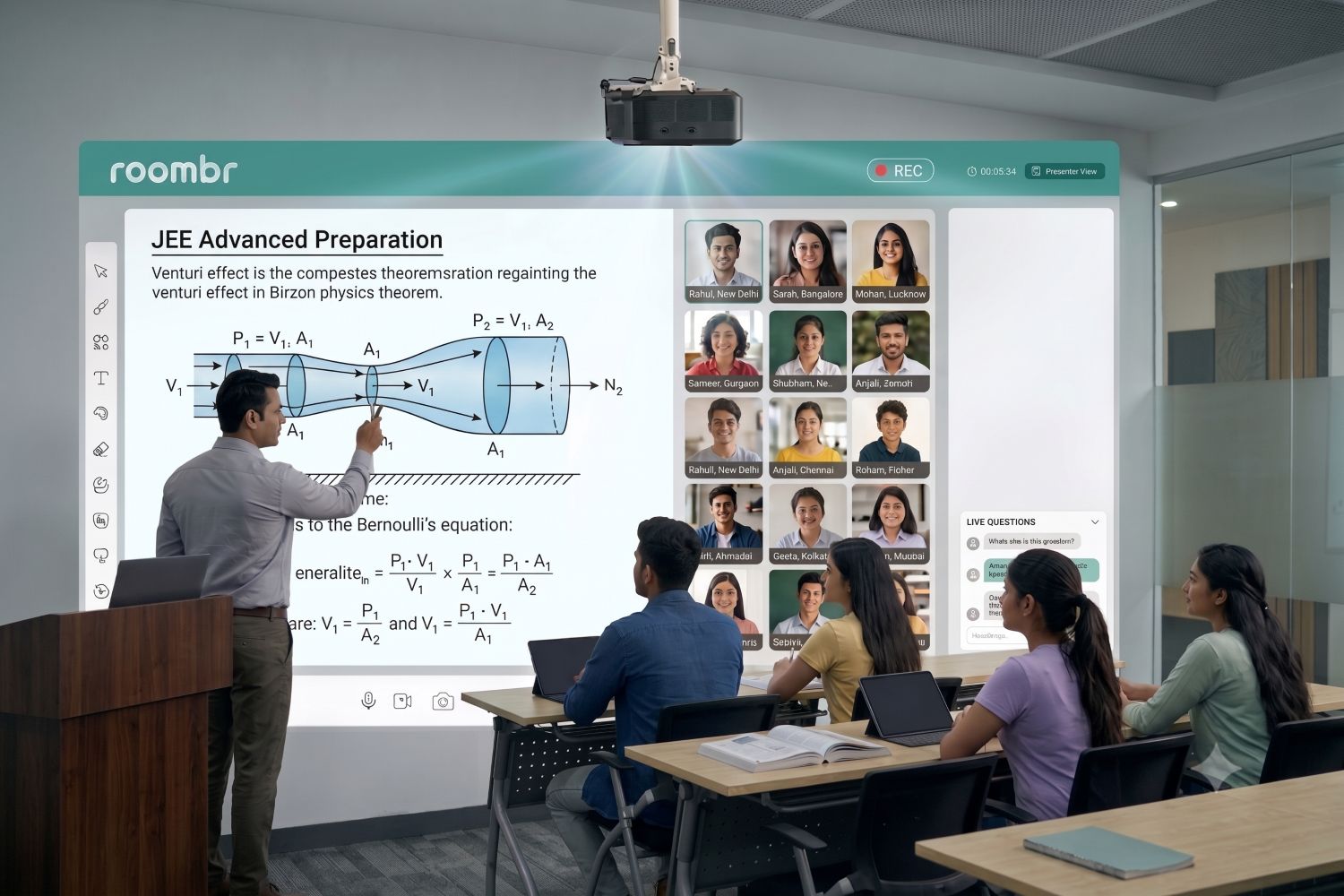
The virtual flip is a natural fit for hybrid learning or schools that offer remote options. Students learn new ideas through online materials and then join a live class, either online or in person, to practice, ask questions, and work through activities.
This flipped classroom model blends easily with modern digital tools and works well for colleges, professional courses, and schools that integrate online learning with traditional classes. It keeps lessons flexible without losing the structure teachers need.
How Educators Can Choose the Right Flipped Classroom Model
Every model has strengths, and the right one depends on your situation. Here are some quick ways to choose:
- Pick the standard flip if students can reliably complete pre-class work.
- Use the in-class flip if internet access varies or you want more control over content delivery.
- Try the micro flip for early trials or younger students.
- Choose the partial flip when your schedule is packed.
- Use the group-based flip for mixed-ability groups or classrooms that thrive on teamwork.
- Explore flipped mastery for long-term, self-paced learning.
- Choose the virtual flip for hybrid or remote setups.
It’s also completely fine to mix elements across models. Many teachers start with one and naturally blend parts of another as their confidence grows.
How These Models Work Inside Modern Digital Classrooms
Today’s flipped classrooms differ significantly from those of a decade ago. Tools inside a digital classroom setup allow teachers to support flipped learning without much extra effort.
For example:
• An interactive display panel helps students revisit key concepts during discussions or group work.
• Shared devices help students do short in-class flips with ease.
• Real-time check-ins help teachers see who has understood the pre-learning materials.
• Cloud-based tools make it easy for students to review concepts at any time.
These tools don’t replace teaching, they simply make the flipped classroom approach smoother and more practical for everyday use.
Final Thoughts
The flipped classroom isn’t just one approach. It’s a collection of models that give teachers the flexibility to teach in ways that suit their students. Once you understand the options, it becomes much easier to choose a version that feels natural and sustainable.
Whether you’re in a traditional school setting, a growing digital classroom environment, or a fully equipped digital smart classroom, there’s a flipped model that can make your lessons more engaging and enjoyable, for both you and your students.
Roombr's all-in-one interactive display alternative supports all types of flipped learning models. It helps you manage stations and blend online materials seamlessly in your digital classroom.
Explore the features of Roombr and see how effortlessly you can execute the different flipped classroom models, making student-centered learning engaging for everyone!

Foziya Abuwala
Share
Step Into the future of
Education with Roombr