

Anyone who has taught for a while knows how exam season usually feels. Students start worrying. Teachers try to fit extra revision periods into an already packed timetable. Weak spots show up late. Parents get anxious. And no matter how hard everyone works, the last few weeks often feel like a race.
But that pattern is beginning to shift. Schools using AI-driven tools are seeing exam prep stretch out across the full term instead of piling up at the end. This change alone shows the growing importance of AI in education, especially inside digital classroom systems that already shape day-to-day teaching.
If you lead a school or teach inside a busy smart classroom, here’s what exam preparation may look like in the near future.
The Growing Importance of AI in Education for Exam Preparation
1. A Clearer Start to the Academic Year
Most teachers walk into a new term guessing where students stand. The first unit test usually reveals the real picture, but by then several weeks have passed.
AI fixes this right at the beginning.
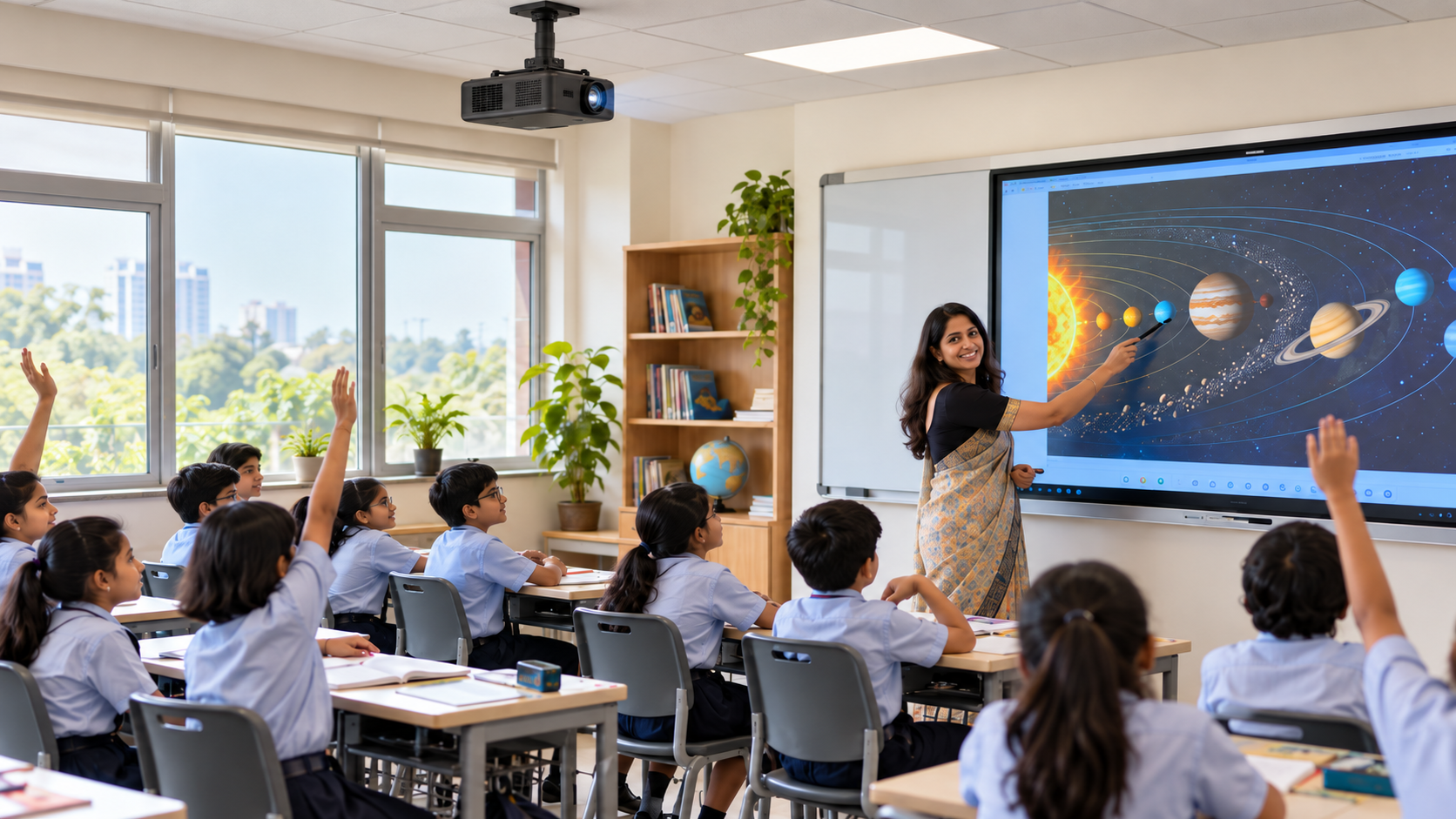
A short diagnostic on your interactive flat panel can give teachers quick clarity:
• Which basics are in place
• Where the class needs support
• Which students might require early attention
This isn’t meant to label students. It simply gives teachers a fair start. Schools also get a stronger handle on planning because the data is right there from week one.
2. No More Waiting for Mid-Term Exams to Spot Trouble

One of the toughest parts of teaching is discovering a learning gap only after a big test. By that time, catching up feels heavy for everyone involved.
AI keeps an eye on patterns long before that happens. If a student begins slipping or the class hesitates on a specific topic, teachers see it quickly. No extra paperwork. No extra tracking. It’s part of the classroom flow.
This lets teachers act sooner, not later. And when this happens across many classes, institutions see the difference: steadier scores, calmer students, and far fewer last-minute surprises.
3. Study Plans That Adjust Week by Week
Every teacher knows how exhausting it is to design separate revision tasks for different levels of learners. AI doesn’t replace that judgment. It just offers support.
If your digital classroom tools are linked to student work, the system can adjust recommendations automatically. A class moving quickly gets extension tasks. A struggling group gets extra practice. A mixed batch sees a mix of questions that suit each learner.
For teachers, this means less prep time and more time spent teaching. For the school, it means more even progress across sections.
4. Students Practise Questions That Match Their Level
Poor exam performance often comes from practising the wrong kinds of questions. Too easy leads to overconfidence. Too hard leads to panic.
AI gets this right. As students work, the system adjusts difficulty quietly. It aims to keep them in the sweet spot, challenged, but not overwhelmed.
Teachers get clearer insight into how well students are retaining concepts. Students build steadier confidence. And schools see more balanced results across the board.
This is one of the clearest examples of the importance of AI in education because it helps teachers get closer to each learner without adding to their workload.
5. Doubts Don’t Build Up Anymore
In most classrooms, doubts accumulate over time. Students write them down or carry them home, hoping they remember to ask later. Many never do.
AI changes that rhythm. Students can get quick, simple explanations during practice. Not full lessons, just enough to keep them moving. This cuts down classroom interruptions and keeps the lesson on track.
Teachers feel the difference almost immediately. Fewer repeat questions, fewer stuck learners, and smoother sessions.
6. Small, Frequent Checks Instead of Heavy Mock Exams
Mock exams take time to create, conduct, and grade. They’re useful but not always easy to schedule.
With AI, teachers can run short checks more often. These can take as little as five minutes and still offer meaningful feedback. The system highlights patterns quickly, so teachers know which areas need attention.
Students also grow comfortable with exam-style questions early. When the actual exam arrives, the format no longer feels unfamiliar or intimidating.
7. Smarter Revision for Each Chapter Test
Teachers often spend hours sorting through notebooks, worksheets, and assessments to plan revision sessions. AI can cut this effort down by pulling the essentials together.
Before a chapter test, teachers might see:
• The most common mistakes made during practice
• Concepts that need another round of explanation
• Areas where the class is already strong
Revision becomes more targeted and less time-consuming. In a smart classroom setup, teachers can run quick revision slides directly from their interactive flat panel without switching platforms.
8. Early Score Insights Offer Better Planning
One of the biggest advantages AI brings is clearer forecasting. Not exact predictions, just early indicators based on patterns.
Teachers can see:
• Who is likely to struggle
• Who needs a push to reach their potential
• Which topics could affect class performance
This lets schools plan support sessions ahead of time. It also gives teachers a chance to adjust pacing without feeling rushed.
For leadership teams, this creates a calmer, more predictable exam season.
9. Students Build Steady Habits Without Pressure
AI can also help with consistency, which is often the missing piece in exam preparation. Light reminders, nudges to finish pending tasks, or gentle alerts before a chapter test all help students stay organized.
Teachers don’t have to keep reminding students manually. The system does it quietly. Over time, this builds regular study habits that make exam prep feel less overwhelming.
10. A More Confident Exam Season for Everyone
When exam preparation stretches across months instead of weeks, the whole environment changes. Students feel less tense. Teachers feel more in control. Schools record more stable results.
This shift is not about turning learning into a data exercise. It’s about giving teachers better tools and giving students a smoother path to success. That, in many ways, captures the true importance of AI in education, quiet support that improves outcomes without replacing the teacher’s role.
Final Thoughts
AI is shifting exam preparation from a last-minute push to a steady, guided process that supports students all year. Teachers get clearer insight, schools gain predictability, and students feel more in control. This is where the importance of AI in education becomes unmistakable—it helps everyone move toward calmer, more confident exam seasons.
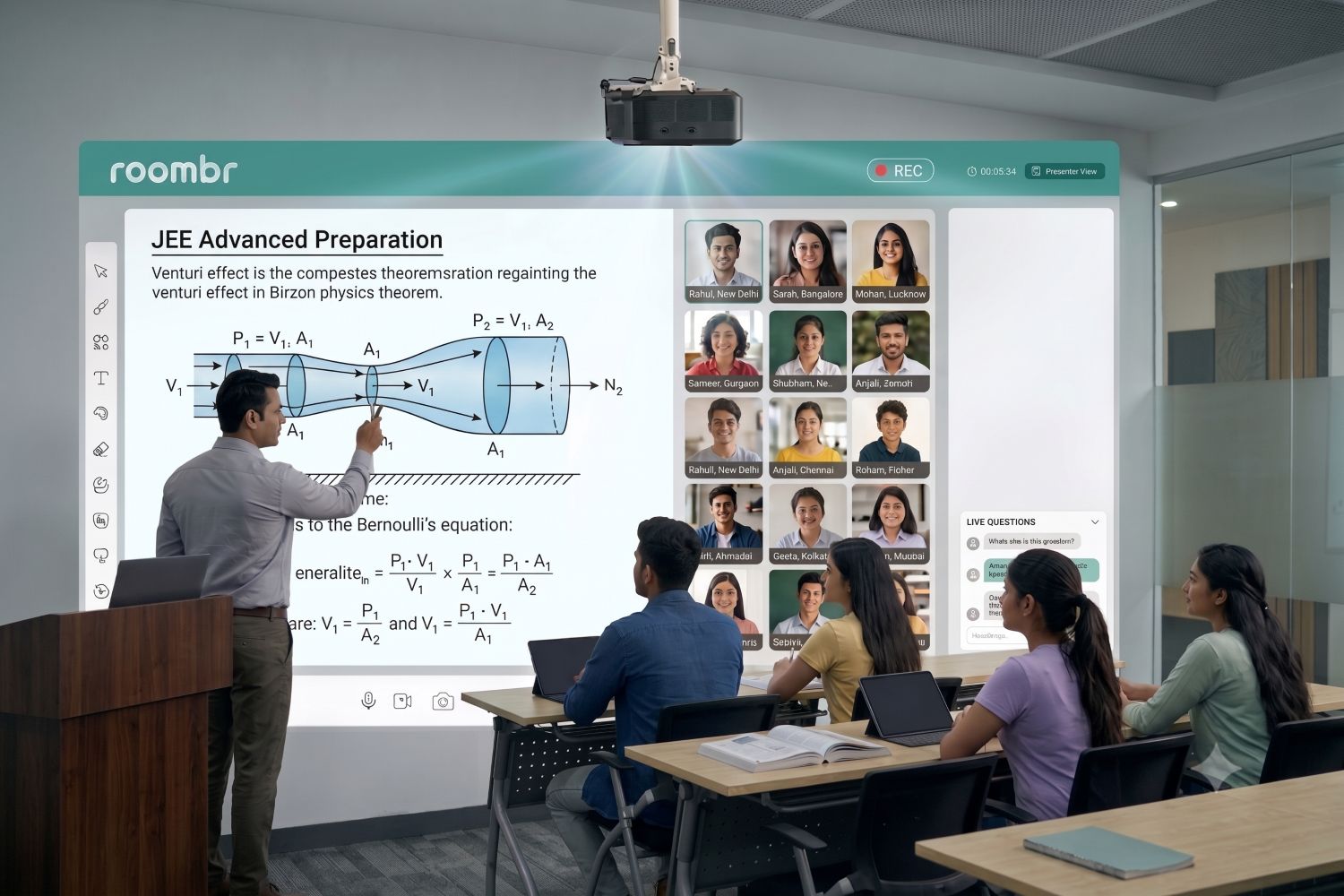
Roombr helps schools bring these future-ready exam prep workflows into everyday teaching through all-in-one, simple, classroom-friendly hardware. If you want smoother lessons, clearer insights, and more confident students, see how Roombr fits into your digital setup.

Foziya Abuwala
Share
Step Into the future of
Education with Roombr