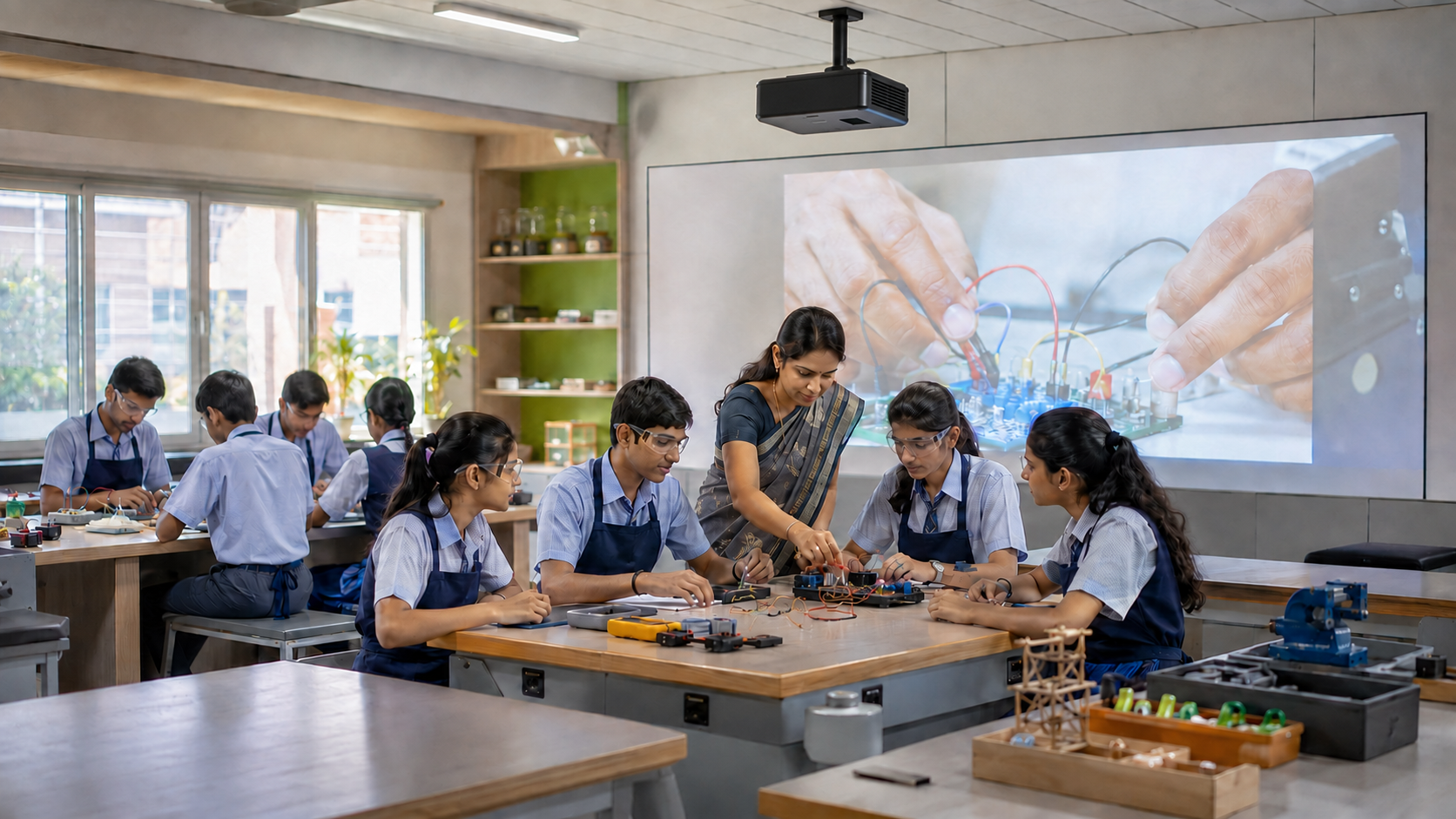


Today's students live in a fast-paced world filled with rapid content. Capturing their attention in a school setting is a challenge. Keeping that attention throughout the day is an even bigger hurdle. Indian educational institutions are quickly upgrading their infrastructure to keep pace with these changes. Simply adding screens to a room does not guarantee better concentration. Poorly integrated technology often creates entirely new distractions.
For true tailored growth, schools need spaces designed around how the human brain actually processes information. The physical space must actively support the digital tools. Let us explore the core design principles that maximize student focus in a smart classroom environment.
The Psychology of a Focused Learning Environment
Every physical element in a class affects a student's cognitive load. Cognitive load refers to the amount of mental effort required to learn something new. A cluttered room with harsh lighting and awkward viewing angles forces students to spend extra energy just trying to process the environment. This leaves them with much less mental capacity for the actual lesson.
Traditional Indian classrooms were built for passive listening with rigid structures. Active learning requires a completely different approach. A well-planned smart classroom removes physical and visual barriers to make the act of learning feel natural. When schools reduce cognitive friction in the environment, student retention and participation naturally improve. The goal is to create a seamless experience where the technology acts as a silent partner rather than a loud distraction.
Essential Smart Classroom Design Principles to Enhance Student Attention
Creating an environment that commands attention requires planning. Educators and administrators must look beyond the hardware and focus on the daily psychological experience of the learners.
1. Manage Visual Clutter and Cognitive Overload
A modern educational space should not look like a complex server room. Tangled cables, excessive hardware components, and overcrowded bulletin boards create intense visual noise. This noise makes it incredibly difficult for students in a smart classroom to concentrate on the teacher. It is especially distracting for neurodivergent learners who might struggle with sensory overload.
Keep walls clean and organize all necessary equipment completely out of sight. The goal is to make the technology in your smart classroom feel invisible until the exact moment it is needed.
When the room feels calm and organized, students naturally settle down and focus much faster. A minimalist visual approach ensures that the educational content remains the single most important focal point in the room.
2. Optimize Ambient Room Lighting
Staring at displays under harsh fluorescent lights drains student energy very fast. Lighting plays a massive role in maintaining attention spans throughout a long school day. A modern digital smart classroom requires a smart balance between natural sunlight and adjustable artificial lights.
Teachers need the ability to control the ambient room light levels easily. Dimming the overhead lights slightly near the teaching wall while keeping the rest of the room bright enough for note-taking is ideal. This contrast directs the eye naturally toward the learning material. It prevents early headaches and significantly helps in reducing visual fatigue for everyone. Proper window treatments are essential to stop the afternoon sun from making the educational material hard to see.
3. Utilize Color Psychology for Calmness

The paint on your walls silently dictates the energy of the room. Bright and aggressive colors can overstimulate the brain and cause restlessness. To promote tailored growth and deep focus, schools should embrace calming color palettes. Soft blues, muted greens, and warm neutral tones help lower anxiety and increase concentration.
When setting up a smart classroom solution, consider painting the primary teaching wall a slightly darker, matte shade. This absorbs excess ambient light and makes the projected educational content pop without straining the eyes. A matte finish also prevents distracting reflections that can pull a student's gaze away from the teacher. The right color palette creates a psychological safety net that encourages students to participate openly.
4. Prioritize Spatial Flow Over Gadget Density
The best learning environments breathe. Cramming every available square foot with tech devices creates a feeling of confinement. The architecture of the room should prioritize open space. A spacious environment allows students to breathe more easily and feel less restricted. This directly lowers stress hormones and opens the mind to absorb new information.
While optimizing your layout and furniture is a critical foundation, the space between those physical elements is what truly allows a smart classroom to feel welcoming rather than overwhelming. Navigating the room should feel effortless for both the teacher and the students. A clear line of sight from every seat ensures that no learner feels isolated or left behind during a crucial lesson.
Integrating Technology That Blends In
The best digital classroom tools do not fight for attention. They support the lesson quietly and seamlessly. Heavy and bulky hardware blocks can sometimes dominate a physical space and distract younger learners. This is where holistic and integrated setups make a massive difference for educational institutions.
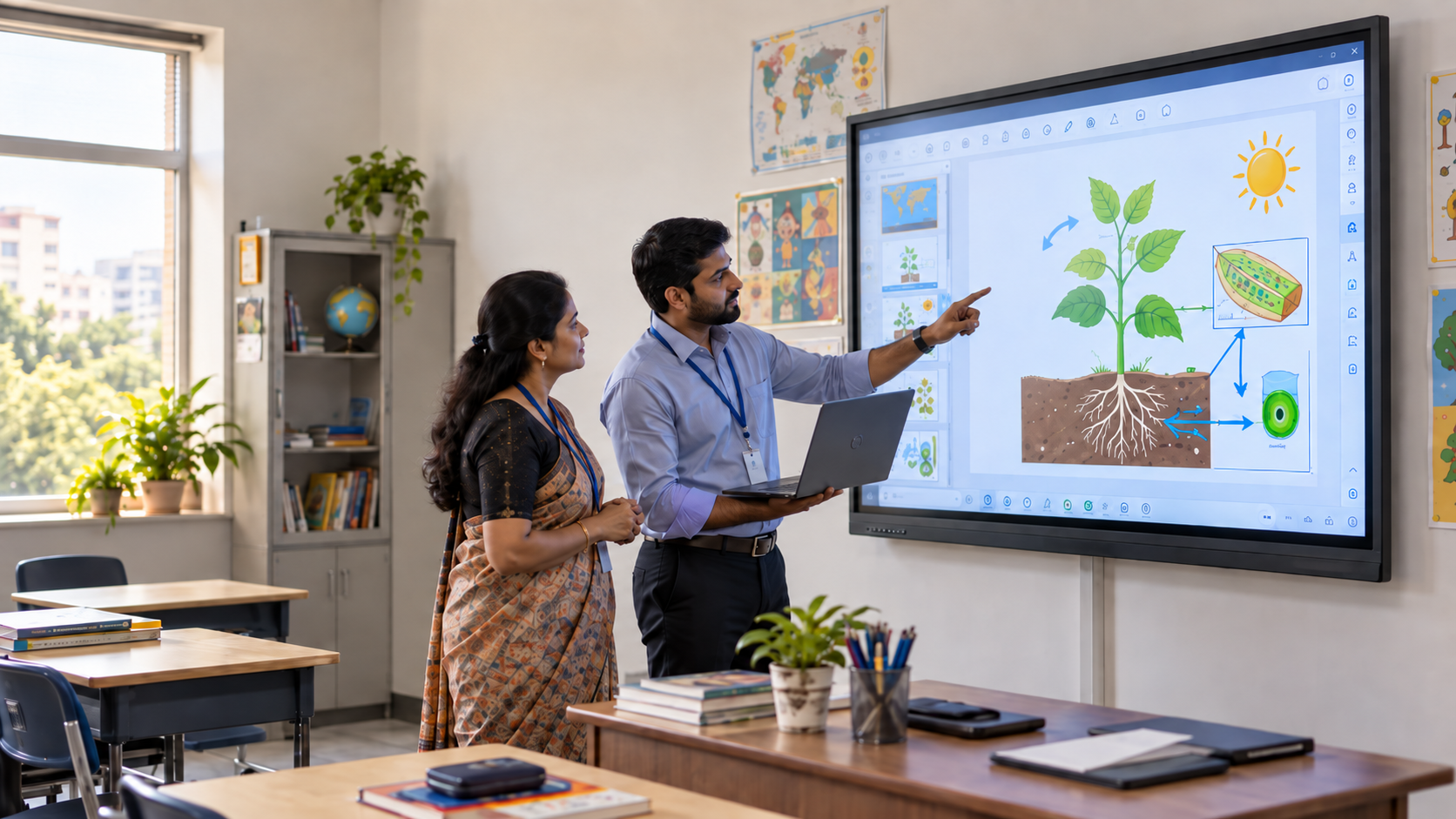
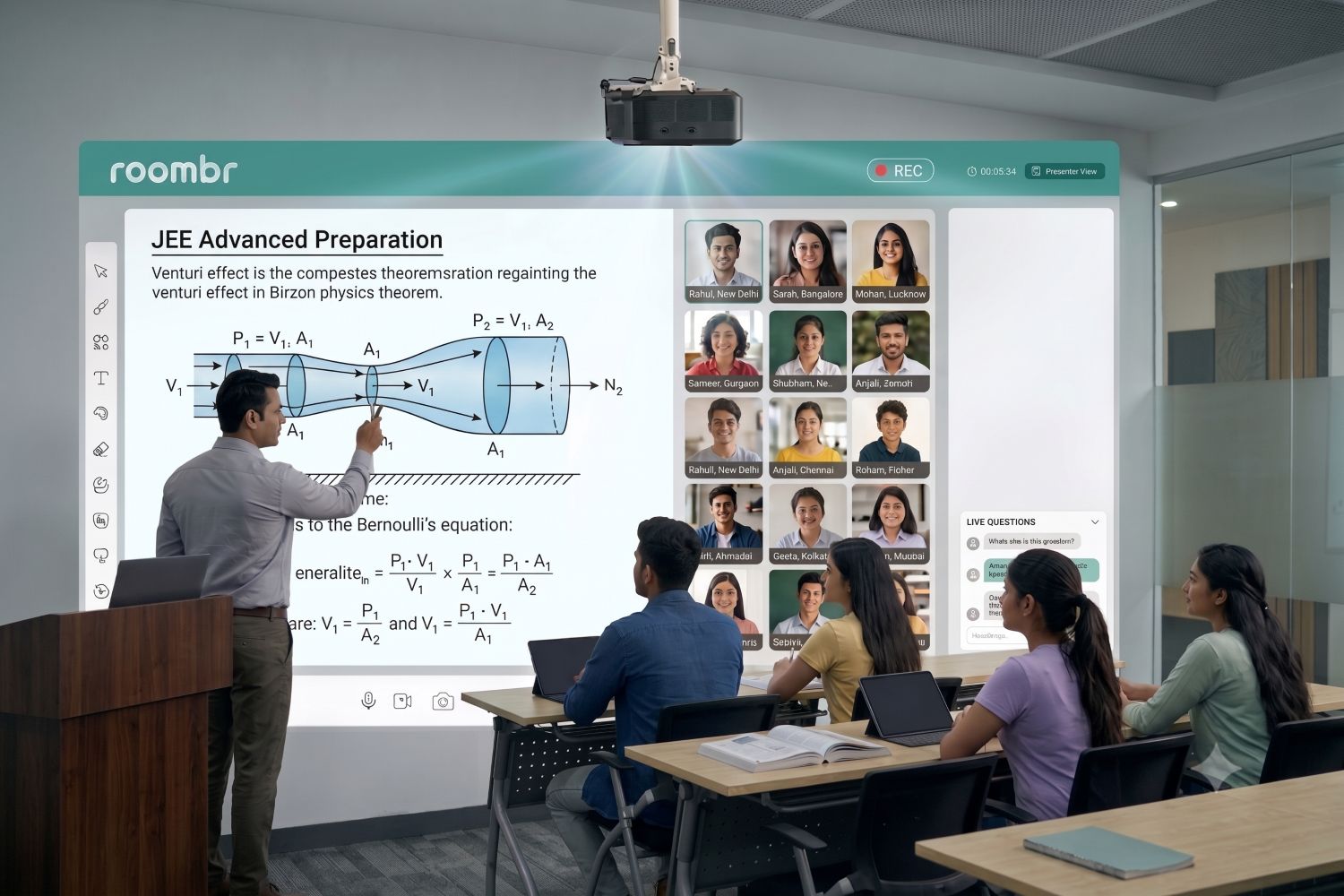
Technologies like Roombr turn existing blank walls into interactive surfaces. This keeps the room feeling open and familiar. When a teacher can walk in, pick up a smart pen, and start teaching without a complex boot-up process, the focus remains entirely on the subject matter. There are no flashing lights or distracting physical frames to pull eyes away from the actual lesson.
Building a focused learning space is about striking the perfect balance. Your technology should empower your teachers. Your room design should empower your students. By focusing on cognitive load, lighting, and clean spatial design, schools can build a smart classroom where true learning thrives and tailored growth becomes a daily reality.
Find out how the Roombr Digital Classroom solution can enhance the teaching and learning experience.

Foziya Abuwala
Share
Step Into the future of
Education with Roombr