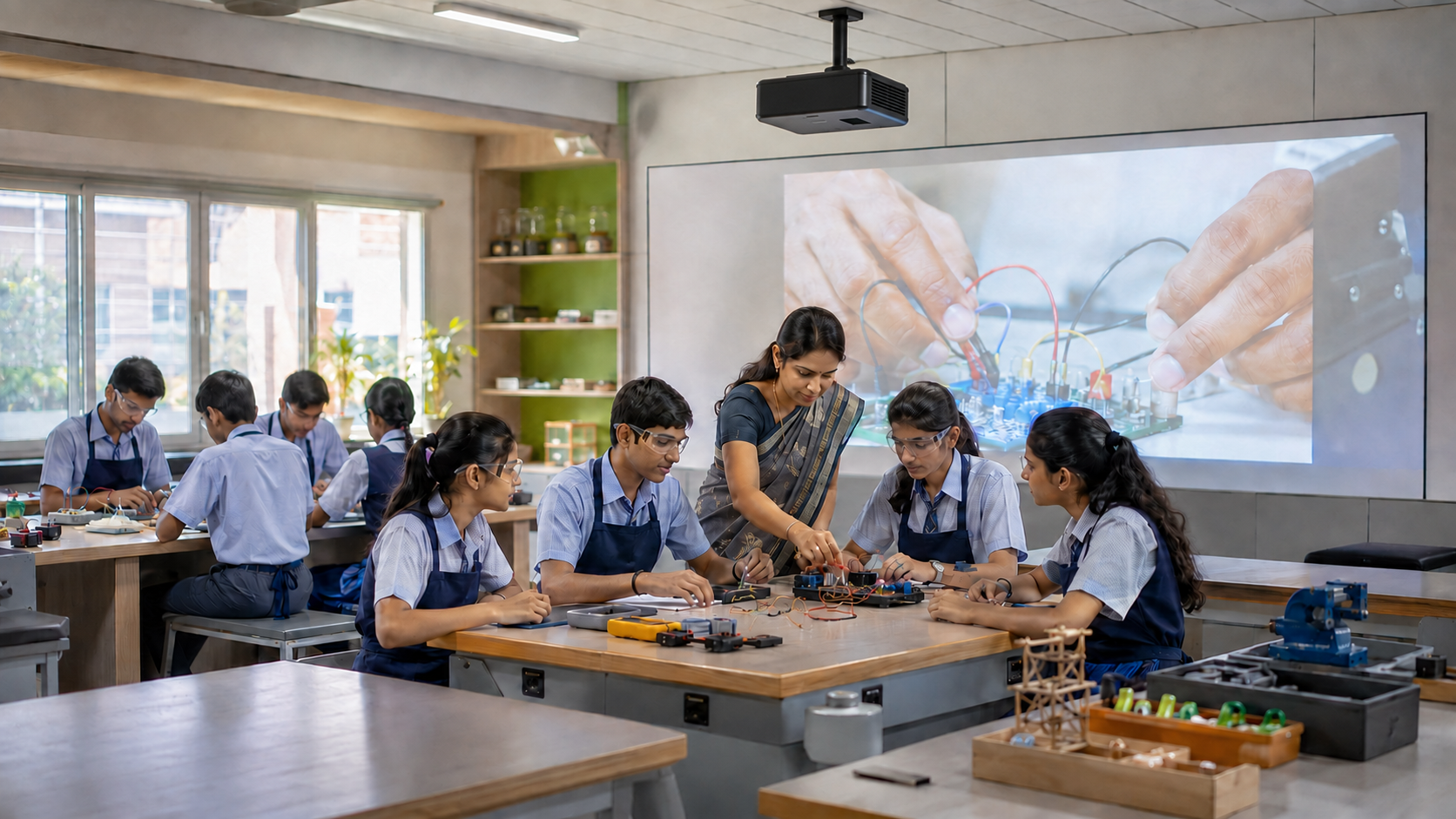


By 2026, the oldest members of Generation Alpha (born after 2010) are turning 16.
They are sitting in your 10th-grade classrooms right now. But here is the challenge every educator is feeling: these students are fundamentally different from the Millennials or even Gen Z students who came before them. They are the Glass Generation—born with high-resolution screens in their hands and Siri on speed dial.
Research suggests that while Gen Alpha’s potential is limitless, their tolerance for passive learning is low. As a neurological adaptation to digital saturation, they scan for relevance instantly and disengage if the content doesn't hook them immediately.
Crucially, their reliance on visuals is backed by the Picture Superiority Effect. Neuroscience confirms the human brain can identify images in as little as 13 milliseconds, which is faster than decoding linear text.
So, how do you teach deep, complex concepts to a generation that scrolls through information at lightning speed?
The answer isn’t to force them into old molds. It’s to adapt our delivery. To bridge the gap between traditional pedagogy and the digital speed of 2026, educators must embrace innovative teaching methods that prioritize interaction over instruction.
Below, we explore seven specific innovative teaching methods designed to capture the attention of the modern student.
7 Effective and Innovative Teaching Methods for Gen Alpha Students
1. Nano-Learning: The TikTok-Style Education Model
If you have ever watched a student learn a complex dance move or a coding hack in under 60 seconds on social media, you have witnessed nano-learning in action.
The Concept: Instead of a continuous 40-minute lecture, the curriculum is broken down into bite-sized learning capsules, typically 2 to 5 minutes long, focused on a single, sharp concept.
Why It Works: It respects the cognitive load of Gen Alpha. It provides an instant knowledge dopamine hit without the fatigue of a long lecture. Among innovative teaching methods, this is the most direct response to shrinking attention spans.
How to Apply It
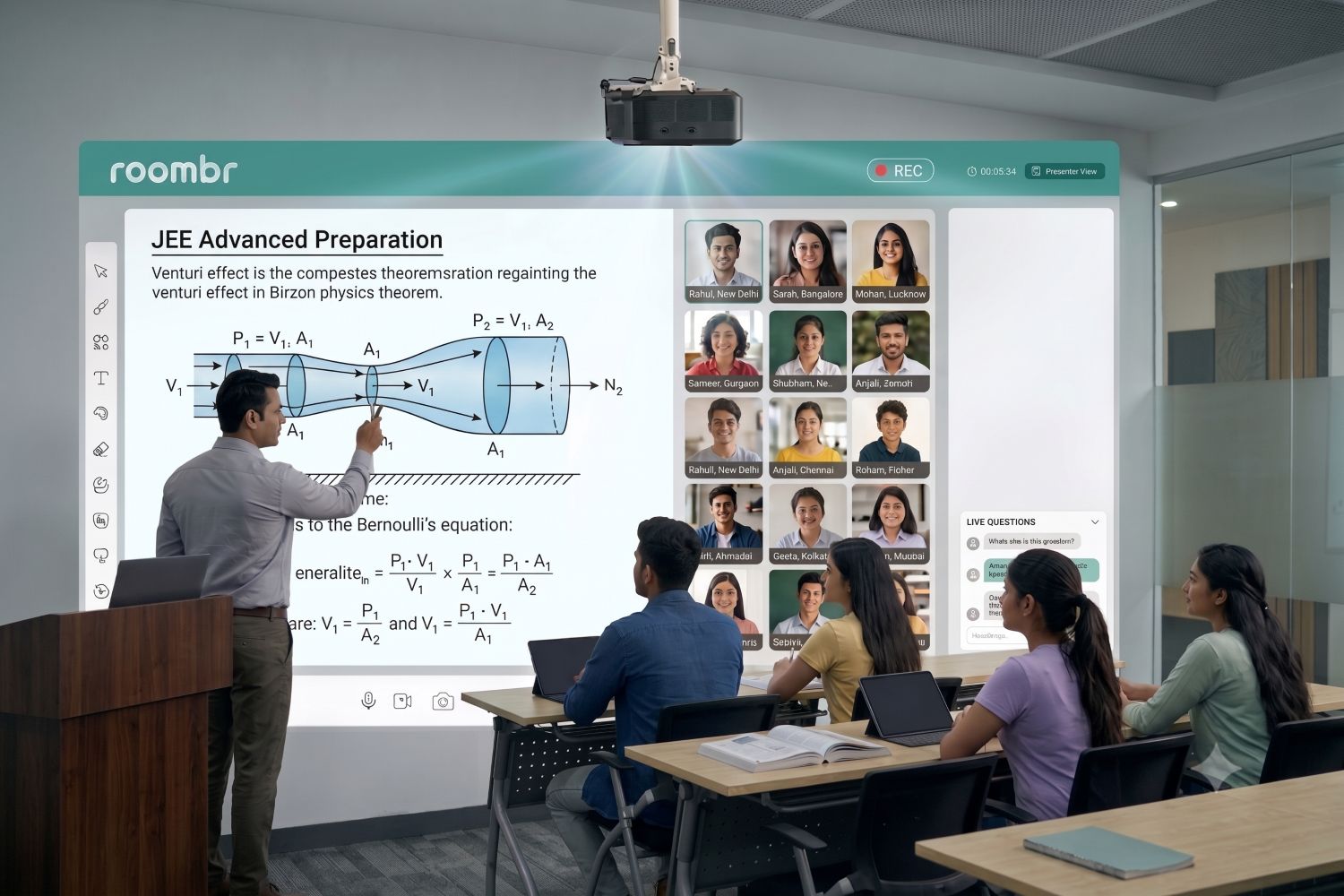
- Stop Lecturing, Start Capsuling: Avoid spending class time dictating notes. Record your core concept explanation (e.g., The 3 Laws of Thermodynamics) as a standalone 5-minute video.
- The Silent Need: To do this at scale, you need a classroom setup that can record these capsules automatically without requiring you to become a video editor.
2. Phygital Learning Spaces (Physical + Digital)
We used to talk about Digital Classrooms. In 2026, the standard is Phygital.
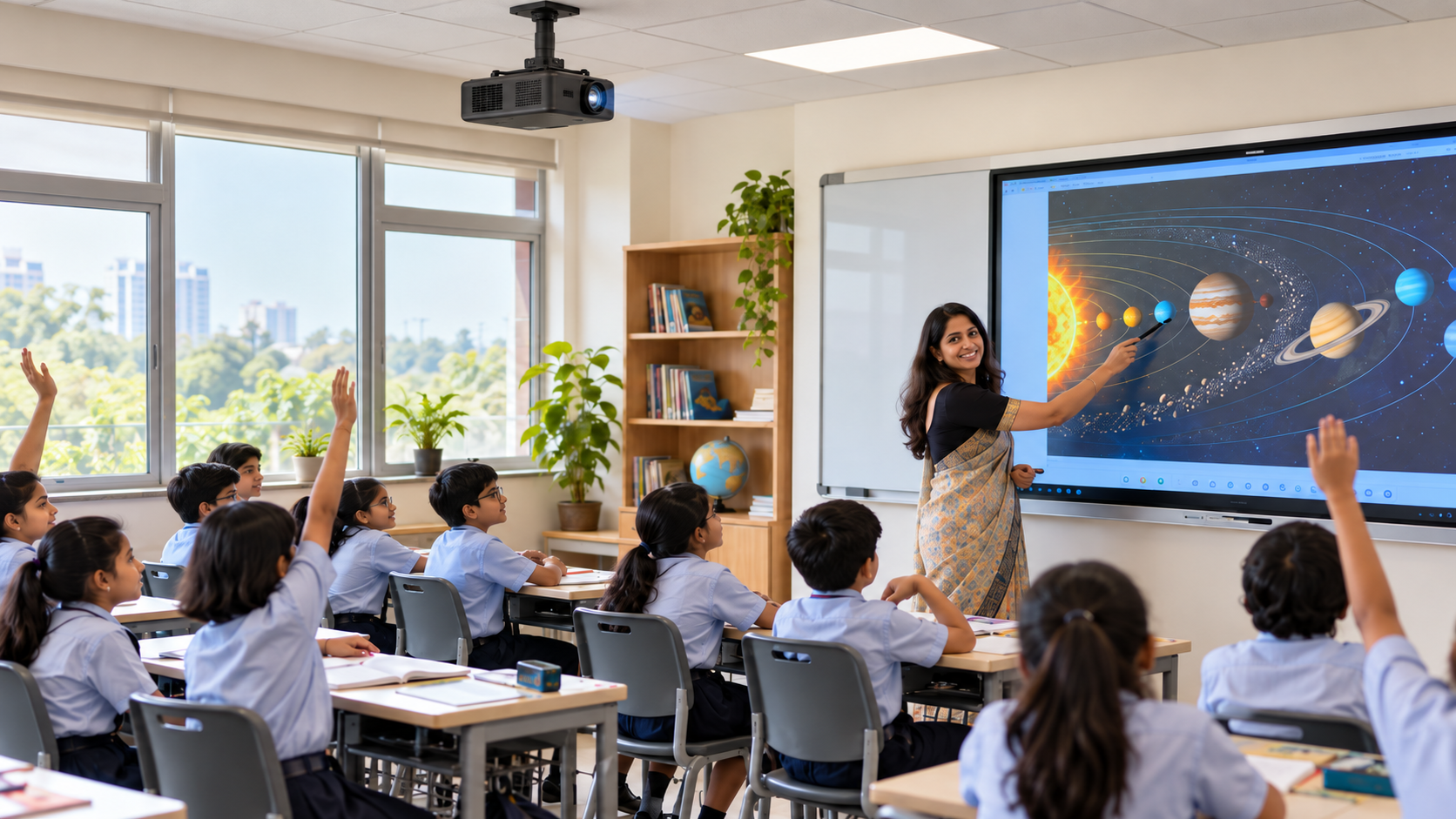
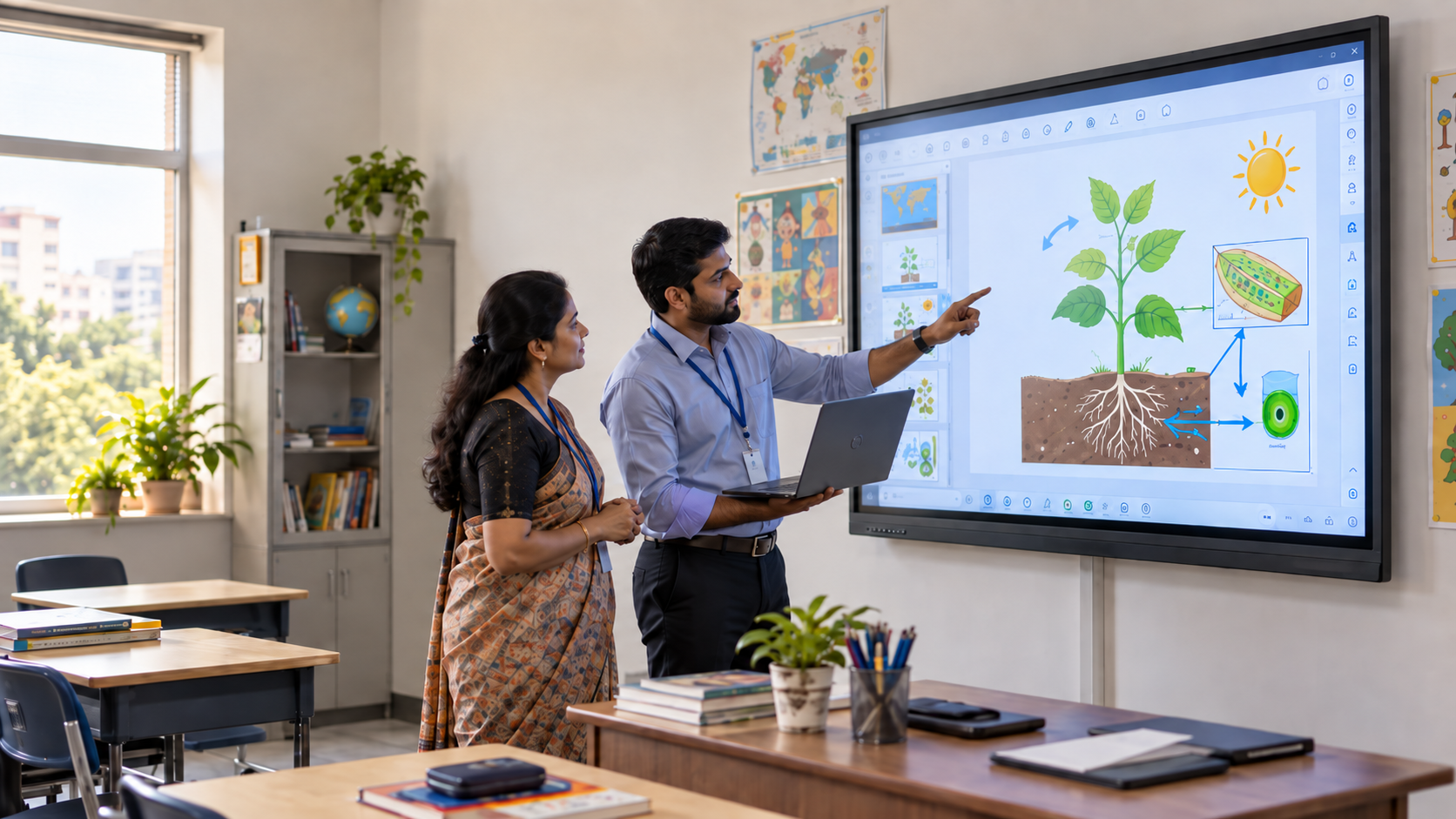
The Concept: A Phygital environment blurs the line between the physical room and the digital world. It allows for seamless blended learning without isolating students behind individual tablets. A projector alone doesn't solve the problem. You need a digital layer interacting with the physical class.
Why It Works: It keeps the communal feeling of a classroom while leveraging digital assets. True innovative teaching methods do not replace the physical world. They enhance it.
How to Apply It
- Real-Time Data Integration: Imagine teaching statistics. Instead of using a textbook example, pull up a live poll of the class on the main interactive display. Show the graph building in real-time as students vote.
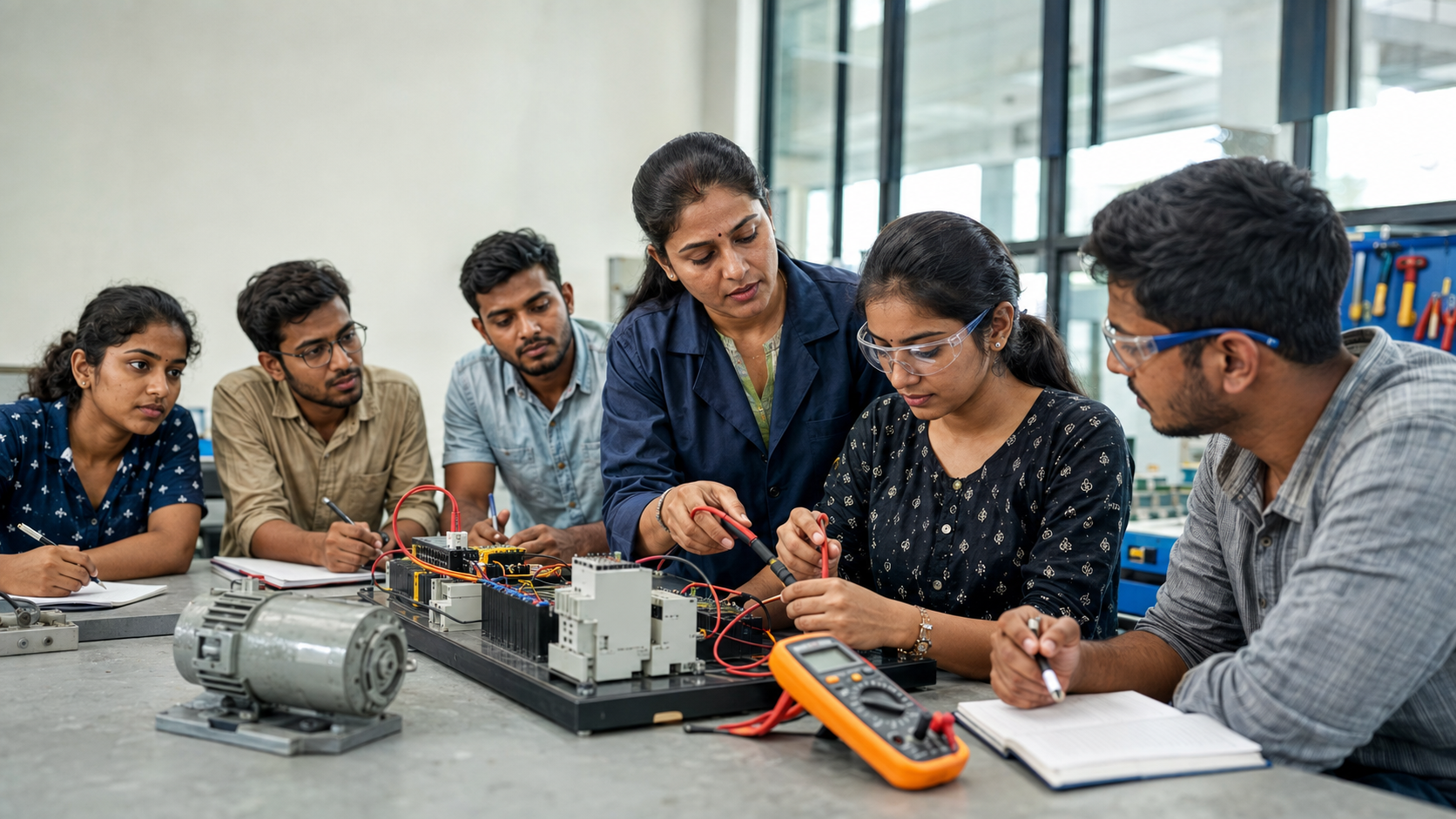
- The Artifact Scan: Bring a physical object, like a leaf or a circuit board, to class. Use a high-definition document camera to project it onto a wall-sized canvas where you can digitally annotate over the physical image.
3. Gamification 2.0: Beyond Gold Stars
For years, gamification meant giving out badges. But for a generation raised on immersive open-world games, that’s no longer enough.
The Concept: True gamification uses game mechanics, which include risk, reward, and immediate feedback, to structure the learning journey.
Why It Works: It taps into the failure-retry loop. In a game, failing isn't shameful. It's just data on how to succeed next time. Integrating this mindset is one of the most powerful innovative teaching methods available today.
How to Apply It
- The Live Leaderboard: Turn your weekly quiz into a live game show. Use a smart class system that tracks answers in real-time and displays a dynamic leaderboard. The social thrill wakes up even the sleepiest back-bencher.
- Leveling Up: Structure your syllabus into levels rather than chapters. Completing a difficult assignment unlocks a power-up (like a free pass on a future homework assignment).
4. Immersive Spatial Learning
Textbooks are 2D. The world is 3D. Teaching 3D concepts on 2D surfaces is one of the biggest friction points in education today.
The Concept: Spatial learning involves visualizing objects in three-dimensional space to understand their structure and function.
Why It Works: Studies show that spatial training can significantly improve performance in STEM subjects. For Gen Alpha, who are used to 3D gaming environments, this is their native language. Adopting spatial visualization is a hallmark of truly innovative teaching methods.
How to Apply It
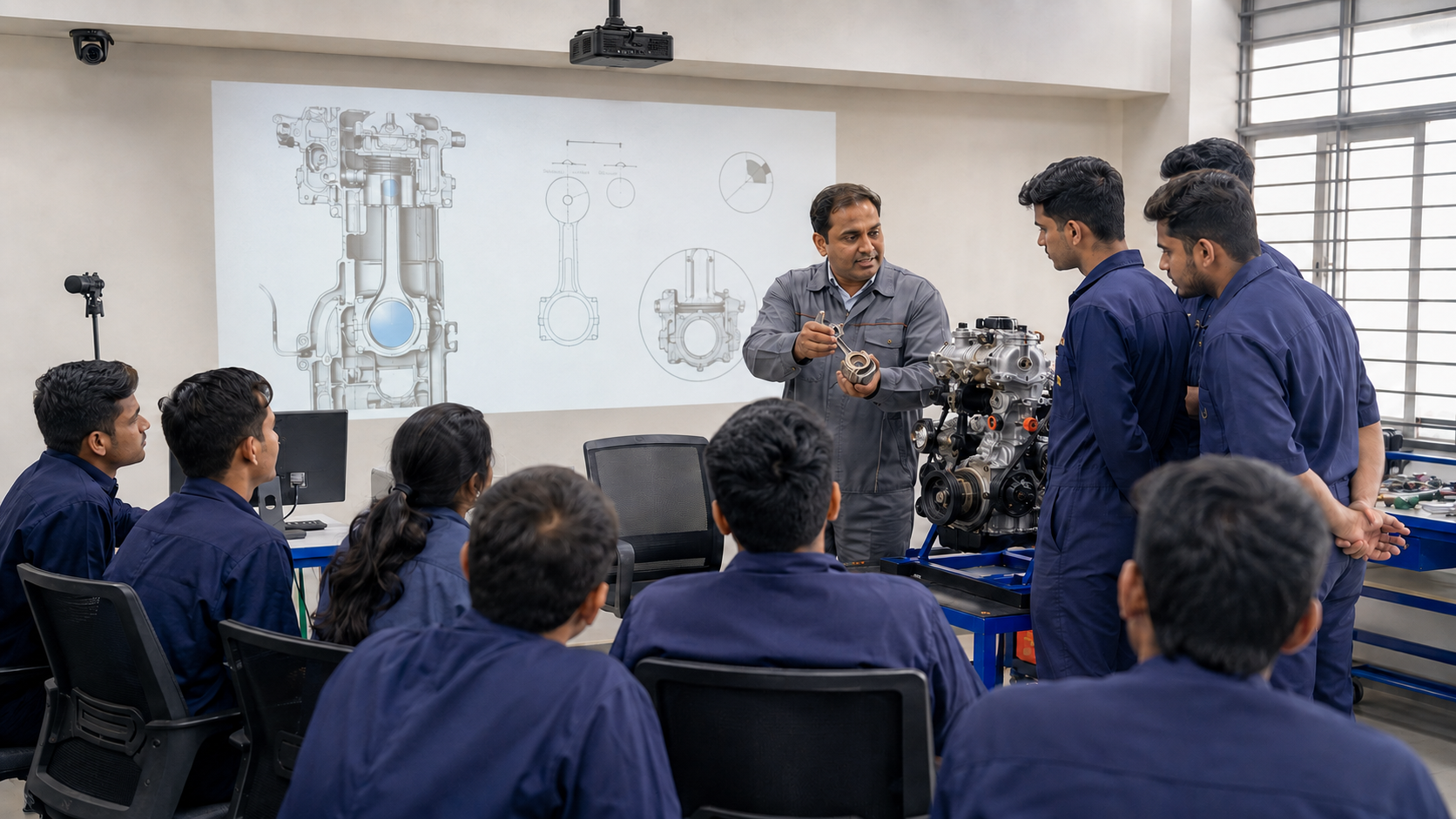
- Don't Tell, Show: Instead of drawing a heart on a blackboard, pull up a 3D interactive model on a large interactive display. Rotate it, zoom into the ventricles, and simulate blood flow.
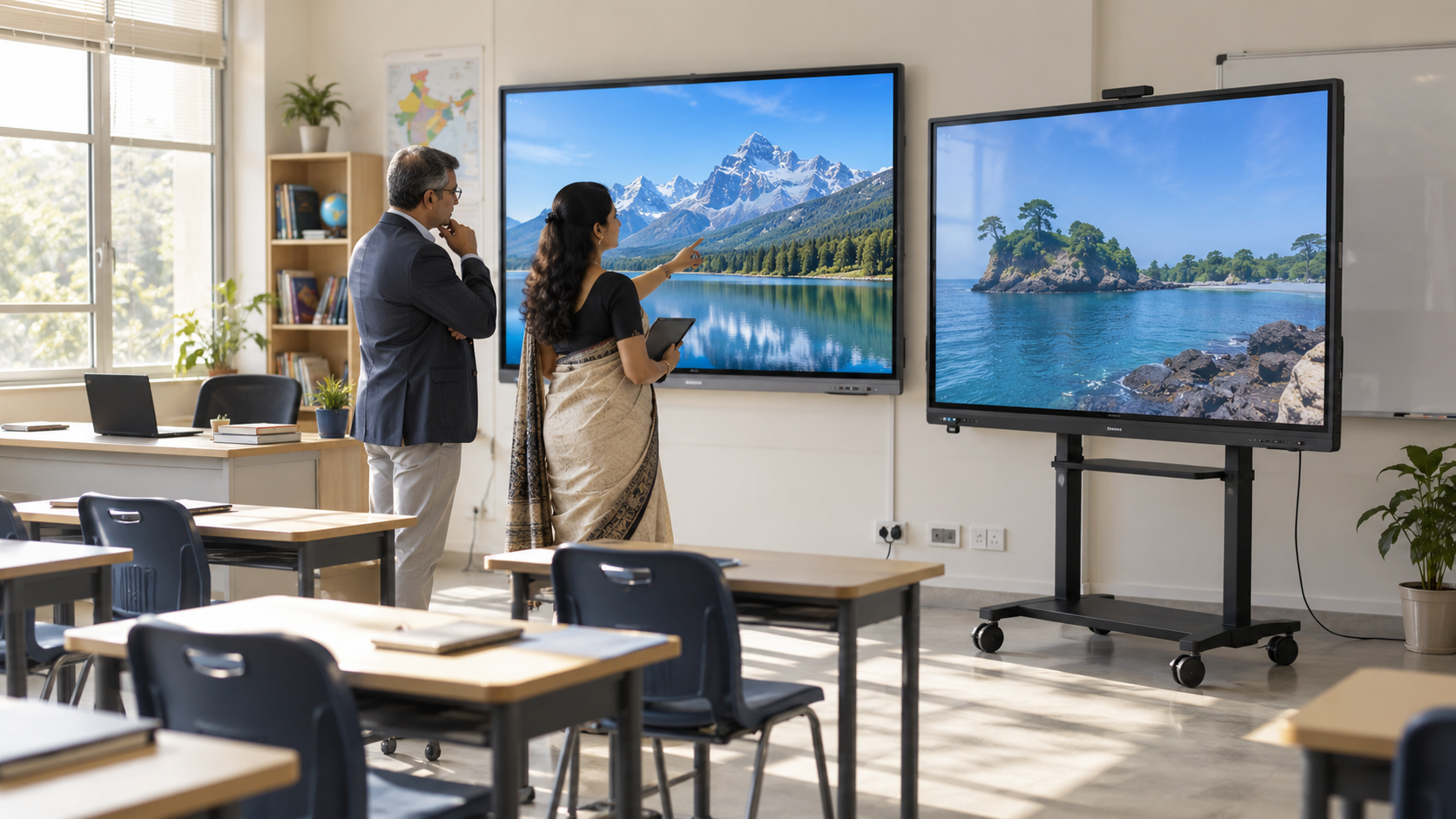
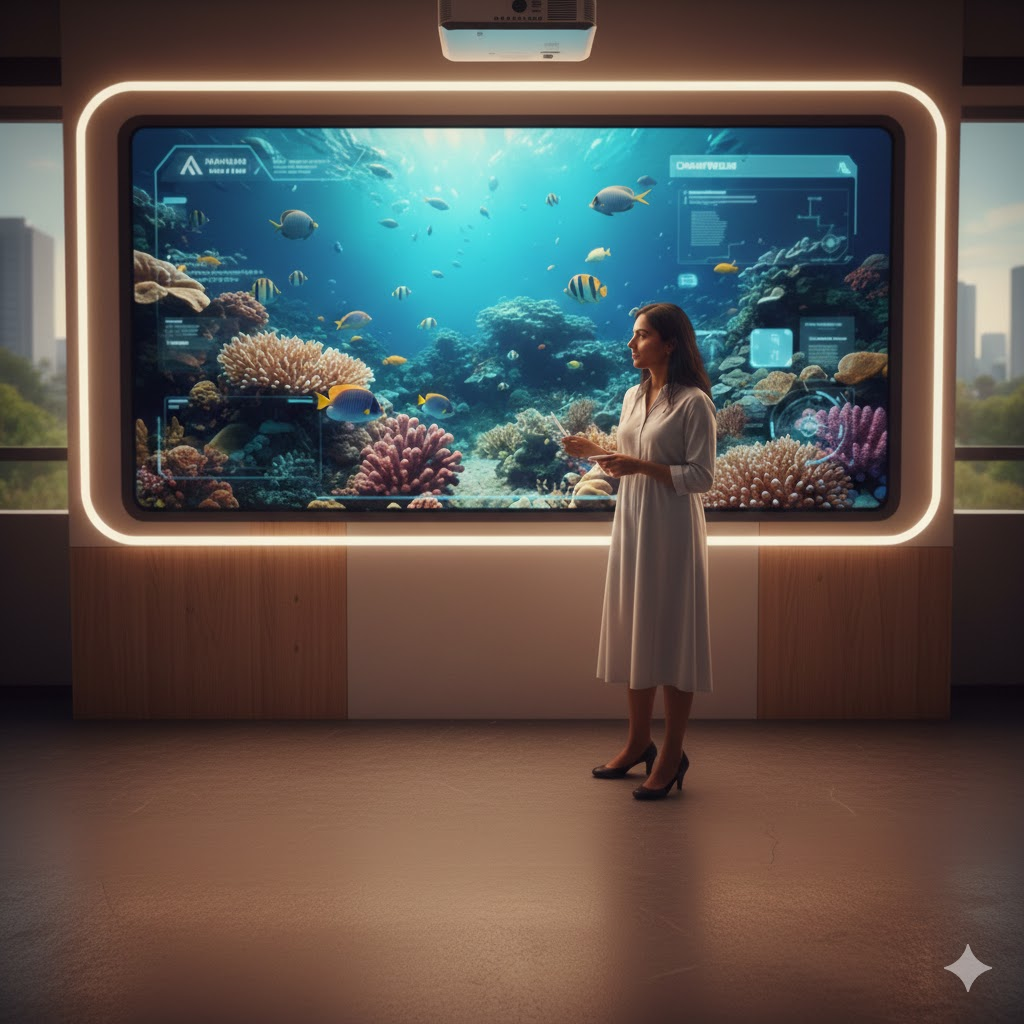
- Virtual Field Trips: Can’t take the class to the Great Barrier Reef? Bring the reef to the wall. High-definition immersive visuals can trigger the same emotional response as being there.
5. The Flipped Classroom Mastery Model
The flipped classroom has been a buzzword for a decade, but technology has finally made it practical.
The Concept: The traditional model is flipped: students encounter new material at home (via video), and homework (practice/projects) is done in class.
Why It Works: It solves the struggle-at-home problem. Usually, students get stuck on homework when they are alone. In a flipped classroom model, they do the hard work with the teacher present. This shift is central to modern innovative teaching methods.
How to Apply It
- The Clone Yourself Strategy: You cannot teach 40 students individually. But you can record your lecture once. Assign that recording as homework.
- Classroom as a Workshop: Use class time for debate, group solving, and addressing specific doubts. This moves the teacher from sage on the stage to guide on the side.
6. AI-Collaborative Projects
In 2026, banning AI in schools is like banning calculators in the 1990s. The innovative method is a partnership.
The Concept: Teaching students how to use AI as a tool for critical thinking rather than a cheat code for answers.
Why It Works: It prepares them for the workforce they will actually enter. It also encourages collaborative learning between the human student and the machine.
How to Apply It
- The Critique the Bot Exercise: Have students ask an AI to write an essay on a history topic. Then, have the students grade the AI’s essay, finding factual errors or bias.
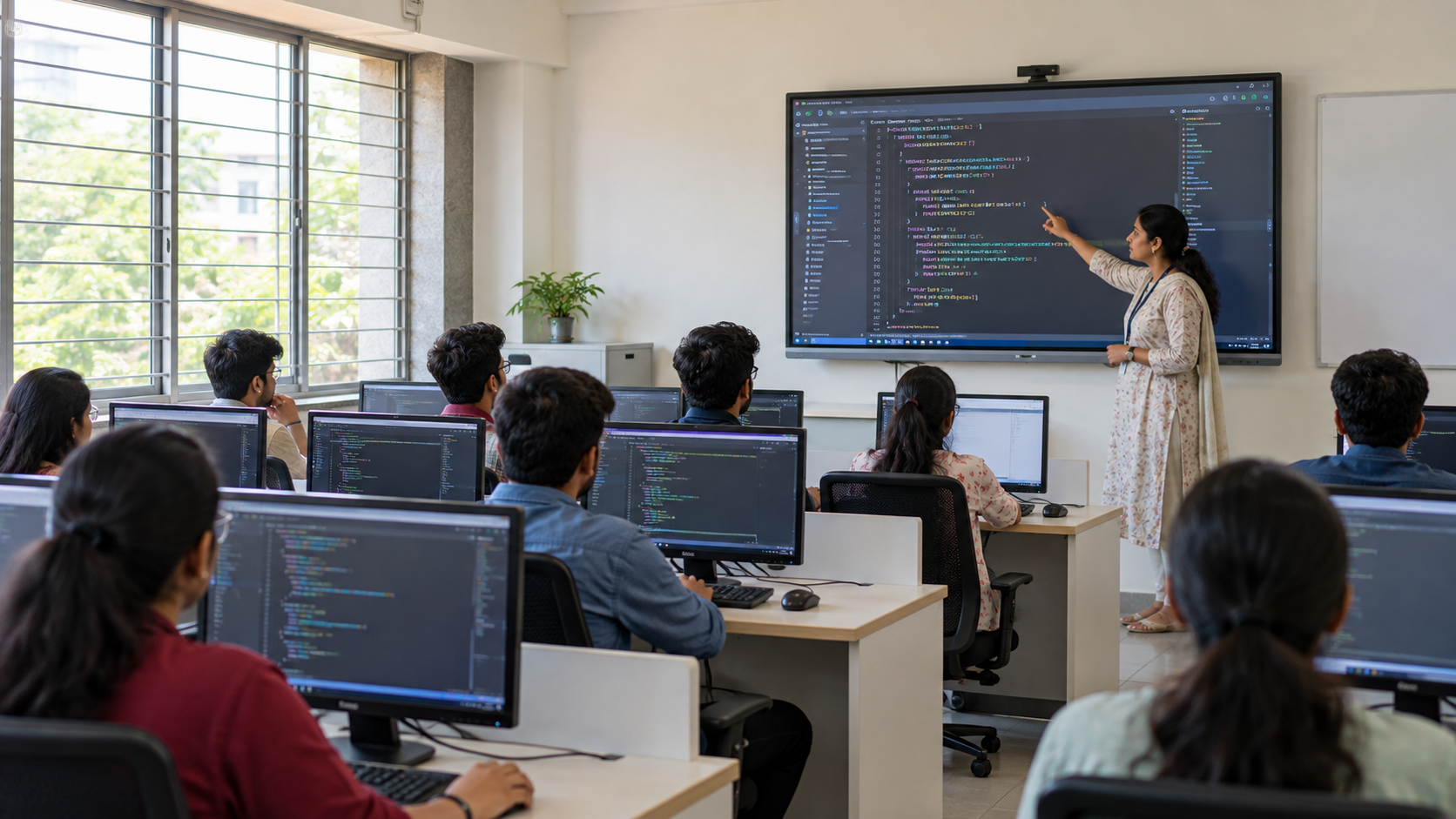
- AI as a Brainstorming Partner: Use the classroom’s computing unit to generate 50 ideas for a project in 10 seconds, then have the class vote on the best one to execute.
7. Station Rotation for Differentiation
The biggest challenge in Indian classrooms is the student-teacher ratio. How do you manage 50 students with different learning speeds?
The Concept: Divide the class into three stations that rotate every 20 minutes.
- Station 1 (Teacher-Led): Direct instruction for a small group
- Station 2 (Tech-Led): Watching a video lesson or doing a digital quiz
- Station 3 (Analog): Group discussion or worksheet
Why It Works: It allows the teacher to give personal attention to a small group (Station 1) while the others are productively engaged. This is one of the few innovative teaching methods that directly addresses large class sizes.
How to Apply It
- The Tech Anchor: This only works if Station 2 is autonomous. You need a system where students can easily access recorded content or interactive modules without interrupting you.
The Common Hurdle: Tech Fatigue
Reading this list, you might feel overwhelmed. Record videos? Manage 3D models? Run live polls?
The barrier to adopting innovative teaching methods isn't usually the teacher's willingness. It's the complexity of the tools. If you have to spend 10 minutes connecting cables, logging into three different accounts, and calibrating a projector, innovation dies.
The Solution? Integrated Ecosystems.
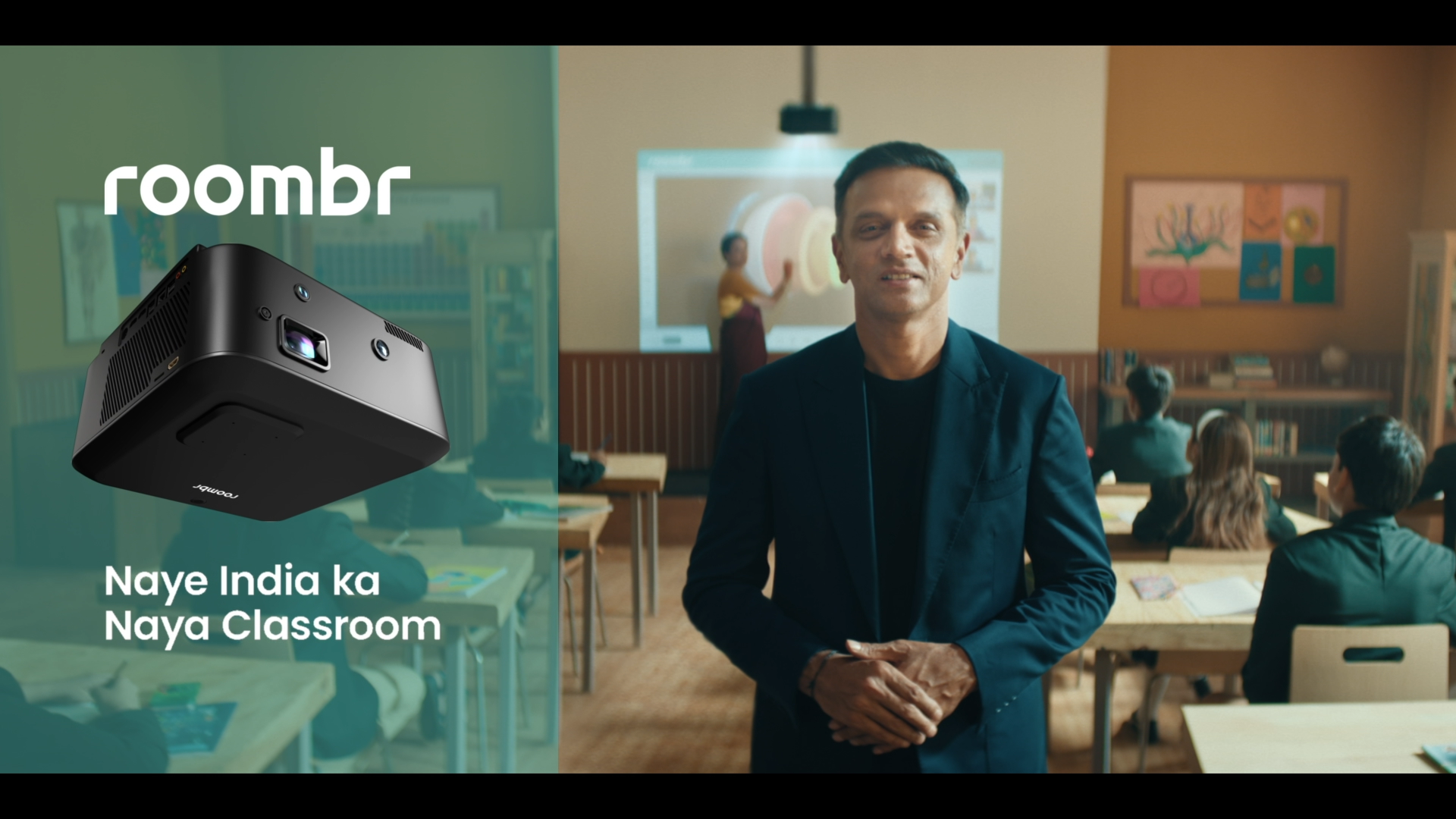
The future belongs to all-in-one solutions such as Roombr for schools. To thrive in 2026, prioritize an all-in-one smart classroom solution where the computing power, visuals, and audio are consolidated into one seamless, unobtrusive unit. When the technology gets out of the way, teaching takes center stage.
Key Takeway
Innovation isn't about throwing out the textbook. It’s about recognizing that the one-size-fits-all lecture is a relic of the past.
Whether it’s through blended learning, fostering collaborative learning environments, or simply using a flipped classroom approach to maximize time, the goal remains the same: to light a fire in the mind of the student.
Gen Alpha is ready to learn. By integrating these innovative teaching methods, we ensure our classrooms are ready to teach them.
Interested in exploring how Roombr works as your modern teaching assistant? Watch this video here.

Foziya Abuwala
Share
Step Into the future of
Education with Roombr