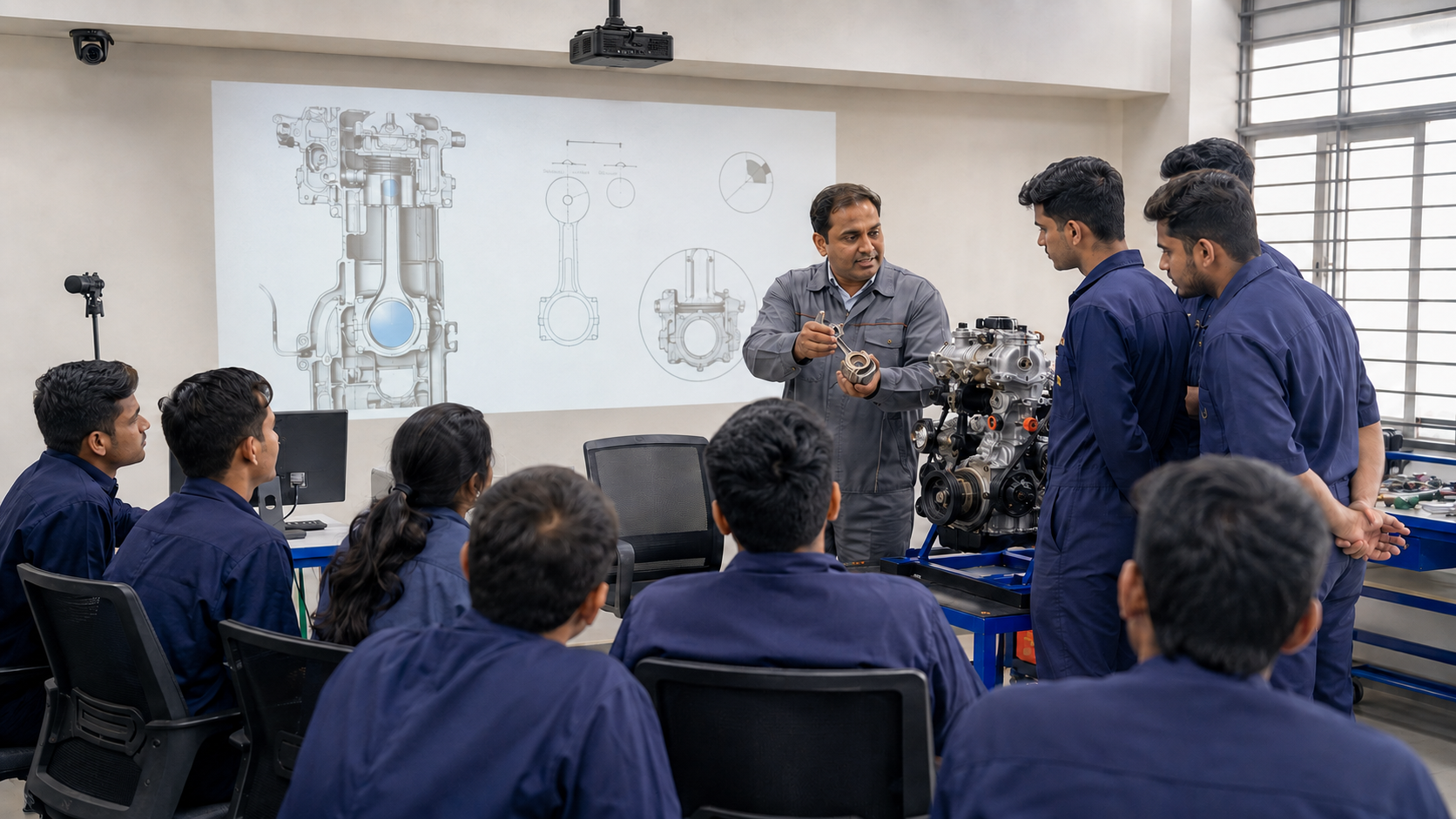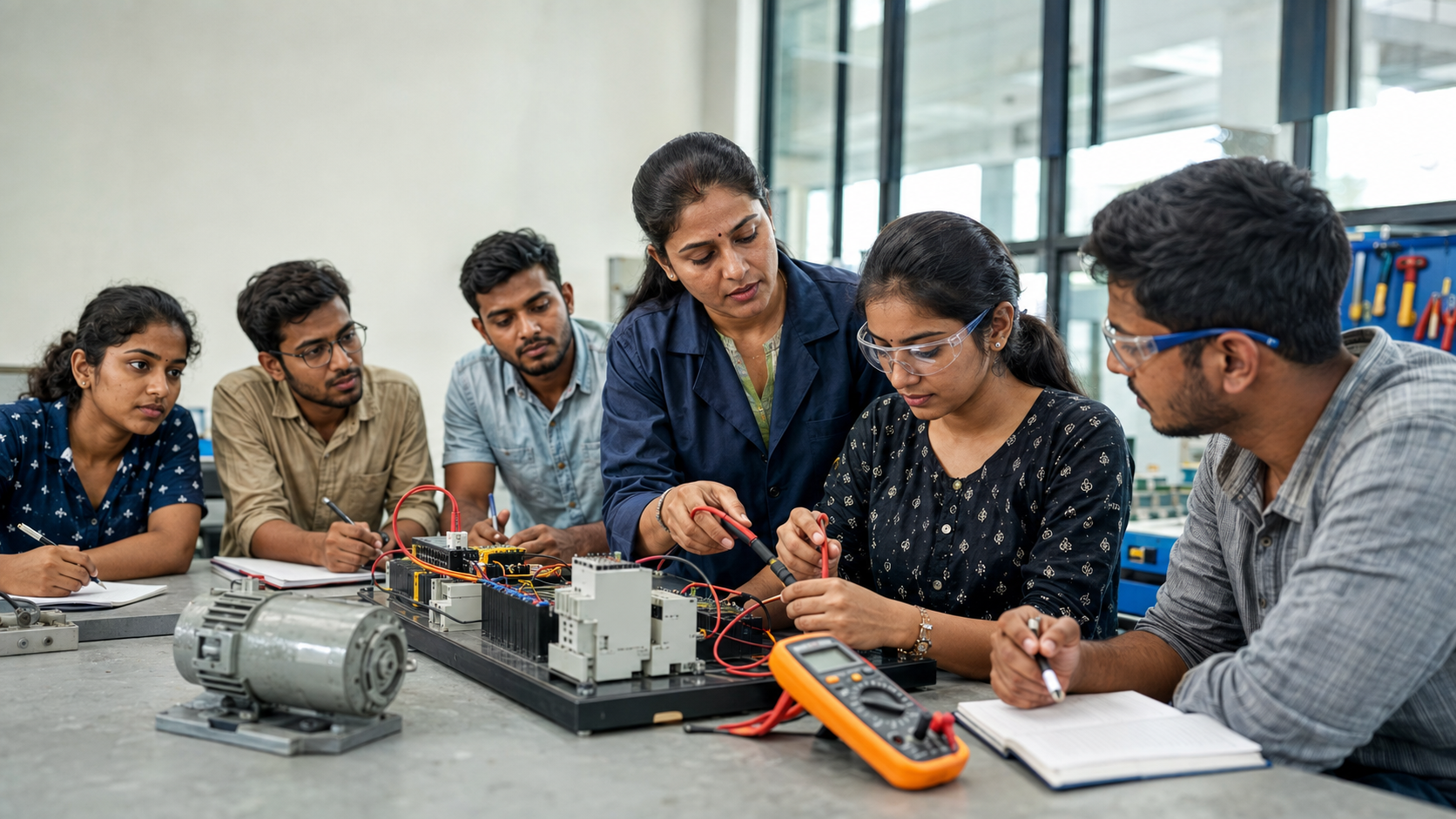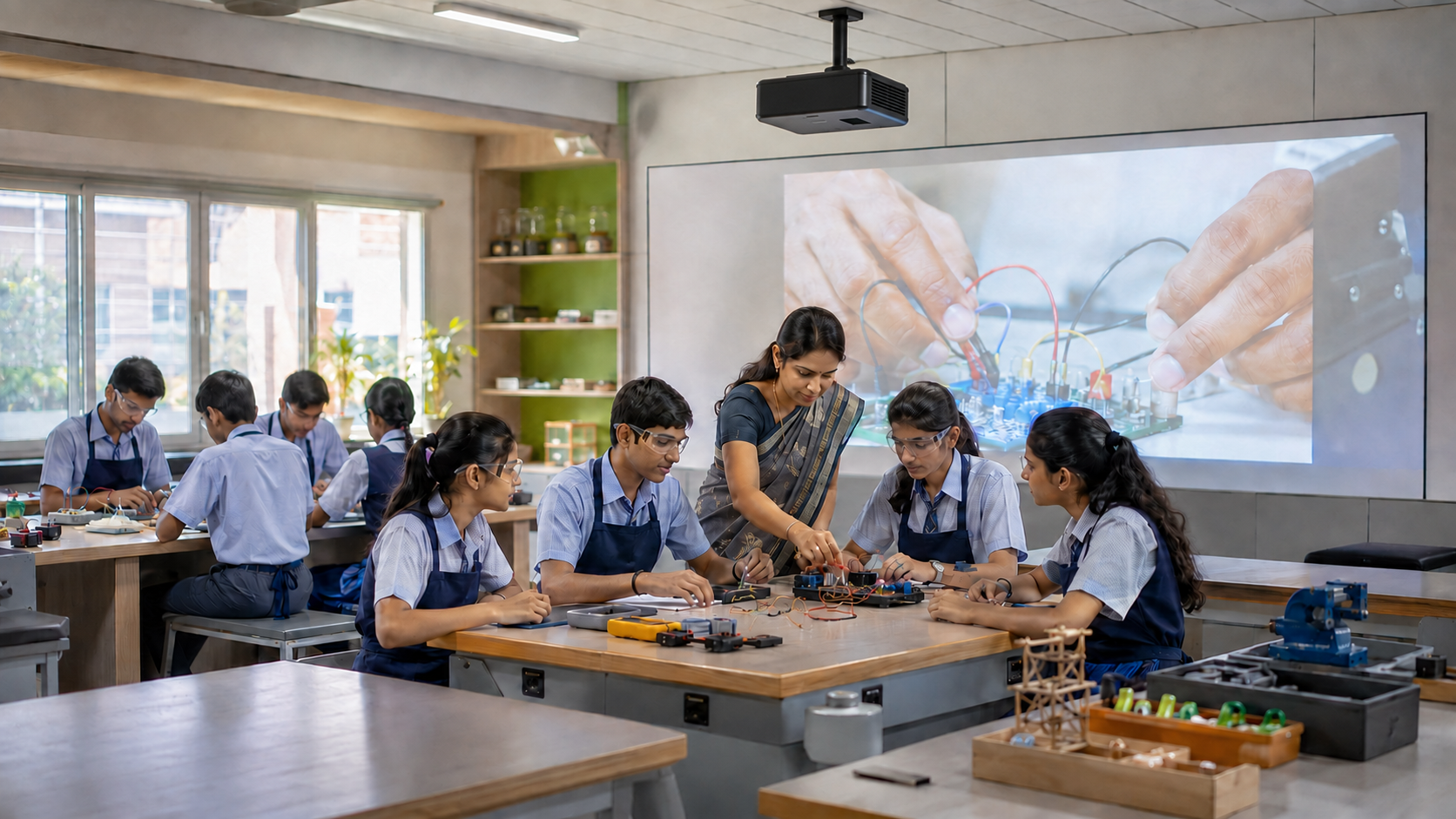


The days when a teacher could hold a room’s attention solely with a piece of chalk and a commanding voice are fading fast. In today’s educational environment, we are competing with high-speed internet, reels, and video games. For teachers in India, this shift is particularly noticeable as we transition rapidly toward the digital classroom model.
It isn’t just about keeping up with trends; it is about connection. We all know the struggle of teaching a complex topic and seeing blank stares. This is where creative content bridges the gap. Multimedia isn’t just "decoration" for subjects that thrive on visual explanation; it is a lifeline.
This guide focuses on practical, accessible tools for teaching, including open-source resources and government initiatives. It can help transform your lessons from routine to remarkable without adding hours to your workday.
Why Multimedia Works for Teaching & Learning
Why should an overworked teacher spend time looking for videos or making charts? Because the return on investment in the classroom is massive.
Enhanced Engagement
In a hybrid setup or even a fully physical smart classroom, the biggest challenge is passivity. Students are used to consuming content, but we need them to engage with it. When you rely solely on text-heavy methods or lectures, you are fighting an uphill battle against their natural cognitive habits.
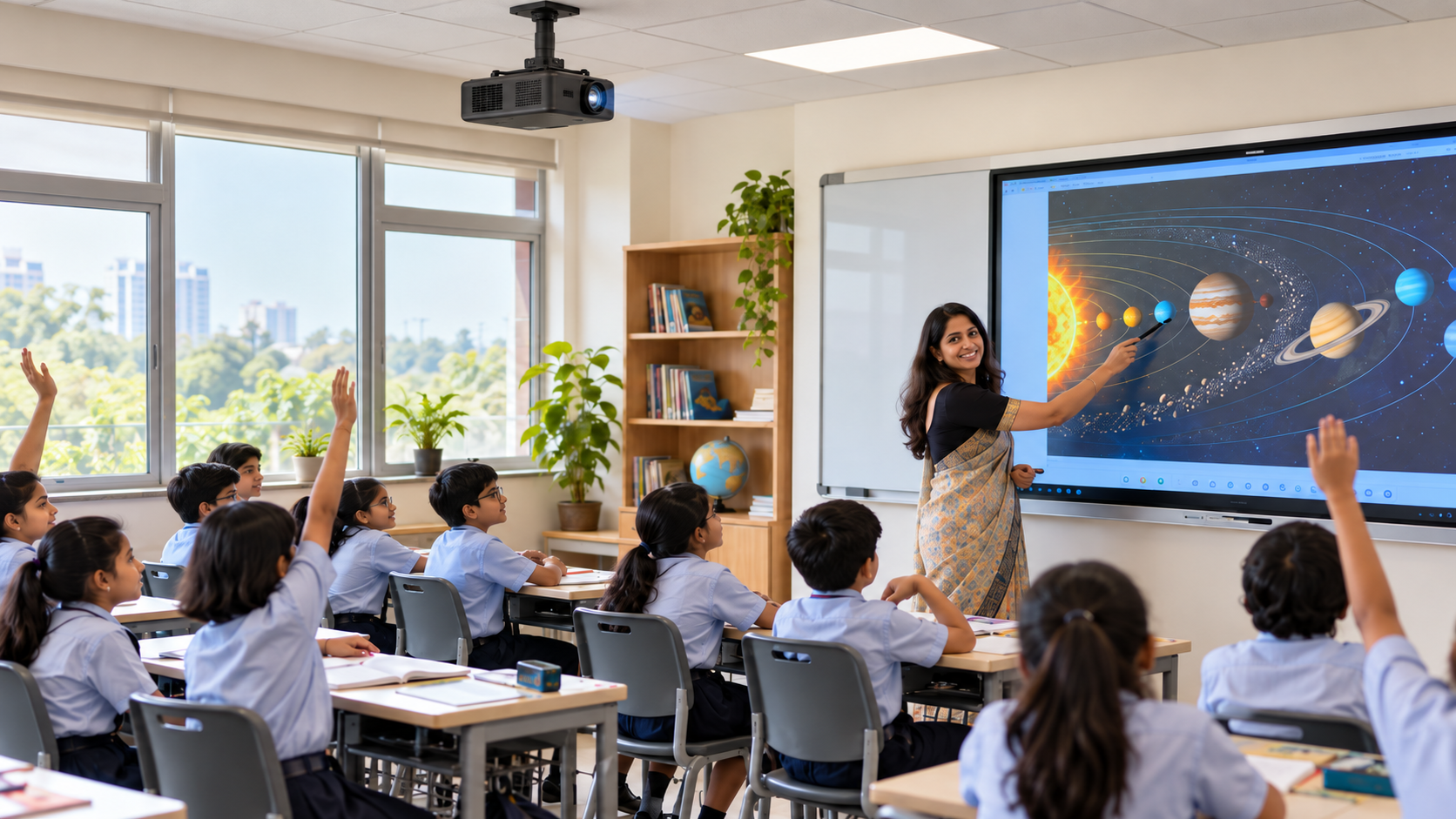
Visual and auditory materials act as a pattern interrupt. They signal to the brain that "something new is happening." A short animation or a relevant video clip captures attention in a way that a textbook page simply cannot. It invites active participation, encouraging students to lean in, watch, and analyze rather than just hear.
Improved Retention and Understanding
Have you ever tried to explain the concept of "momentum" or "historical borders" using only words? It is tough. Complex concepts are significantly easier to grasp when they are paired with visual aids.
This is grounded in cognitive science. When you combine a clear verbal explanation with a visual representation, you are helping students "dual code" the information. This makes abstract ideas concrete. Instead of memorizing a definition they don't understand, visuals help students build a mental model, ensuring they retain the information long after the exam is over.
How to Create Engaging Multimedia Content Using Tools for Teaching
Creating Video Content
Video is one of the most powerful media at your disposal, and creating it is easier than you think.
- Use Built-in Features: Look at your smartphone or school laptop. These devices come with high-quality cameras and voice recorders built in. You can record a quick summary of yesterday's lesson or capture a real-world example of a physics concept right in the schoolyard.
- Government-Provided Resources: You don't always have to create from scratch. Platforms like DIKSHA and ePathshala are packed with ready-to-use educational videos. These are specifically designed for the Indian curriculum. Integrating these downloadable materials saves time and ensures the content is academically sound.
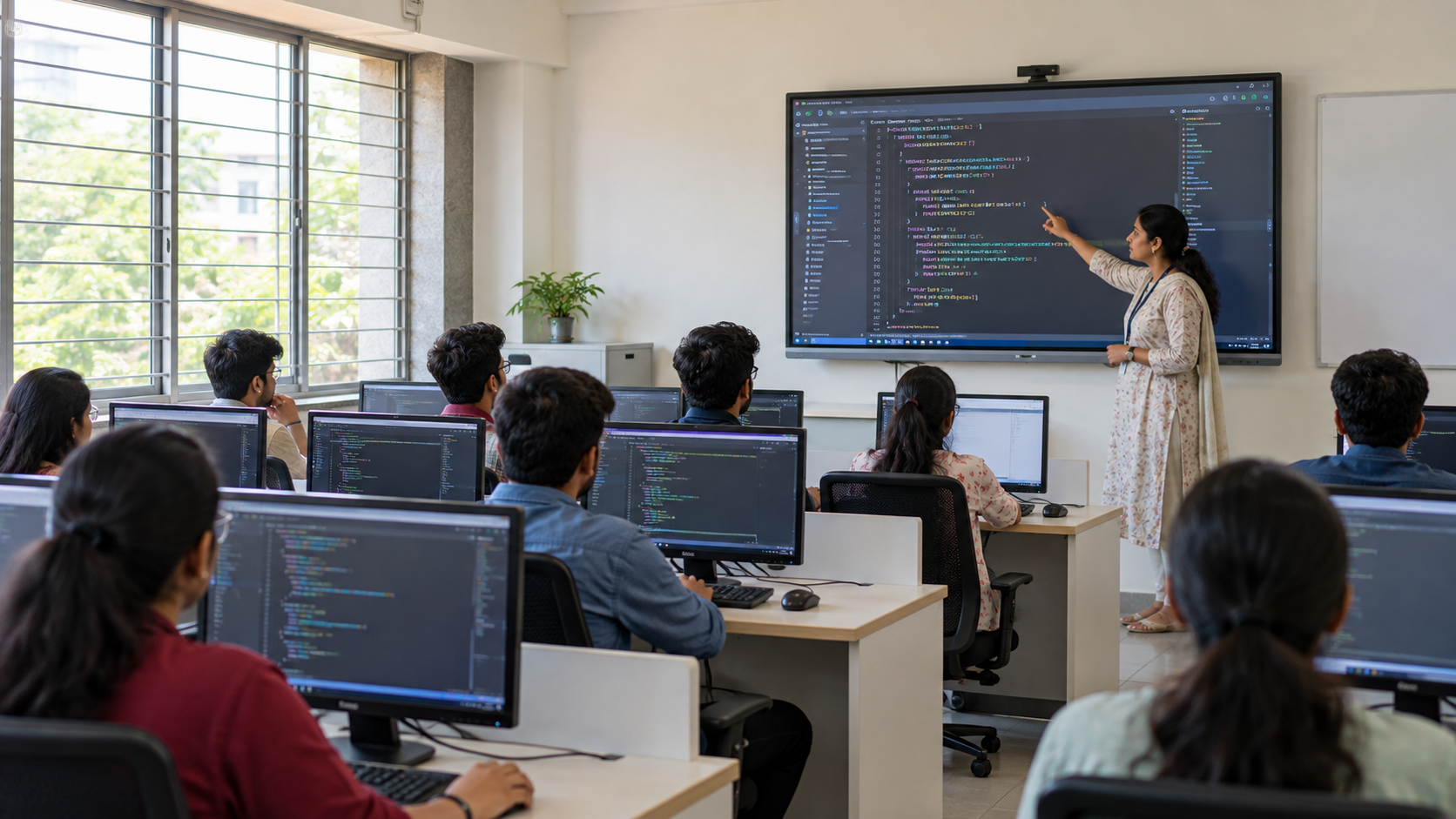
- Screen Recording: This is a game-changer for math and science teachers. Free teacher tools allow you to record your computer screen while you voice-over a solution to a problem. You can walk students through a slideshow or a digital map. These recordings are perfect for students to review at home at their own pace.
- Narrative Videos: Sometimes, the students just need you. A narrative video is simply you recording yourself explaining a key concept, perhaps using a few props or a whiteboard. It’s personal, direct, and often more effective than a polished, impersonal documentary.
Design and Graphics Tools for Teaching

If video feels too daunting, start with static visuals. They are just as effective for breaking down information.
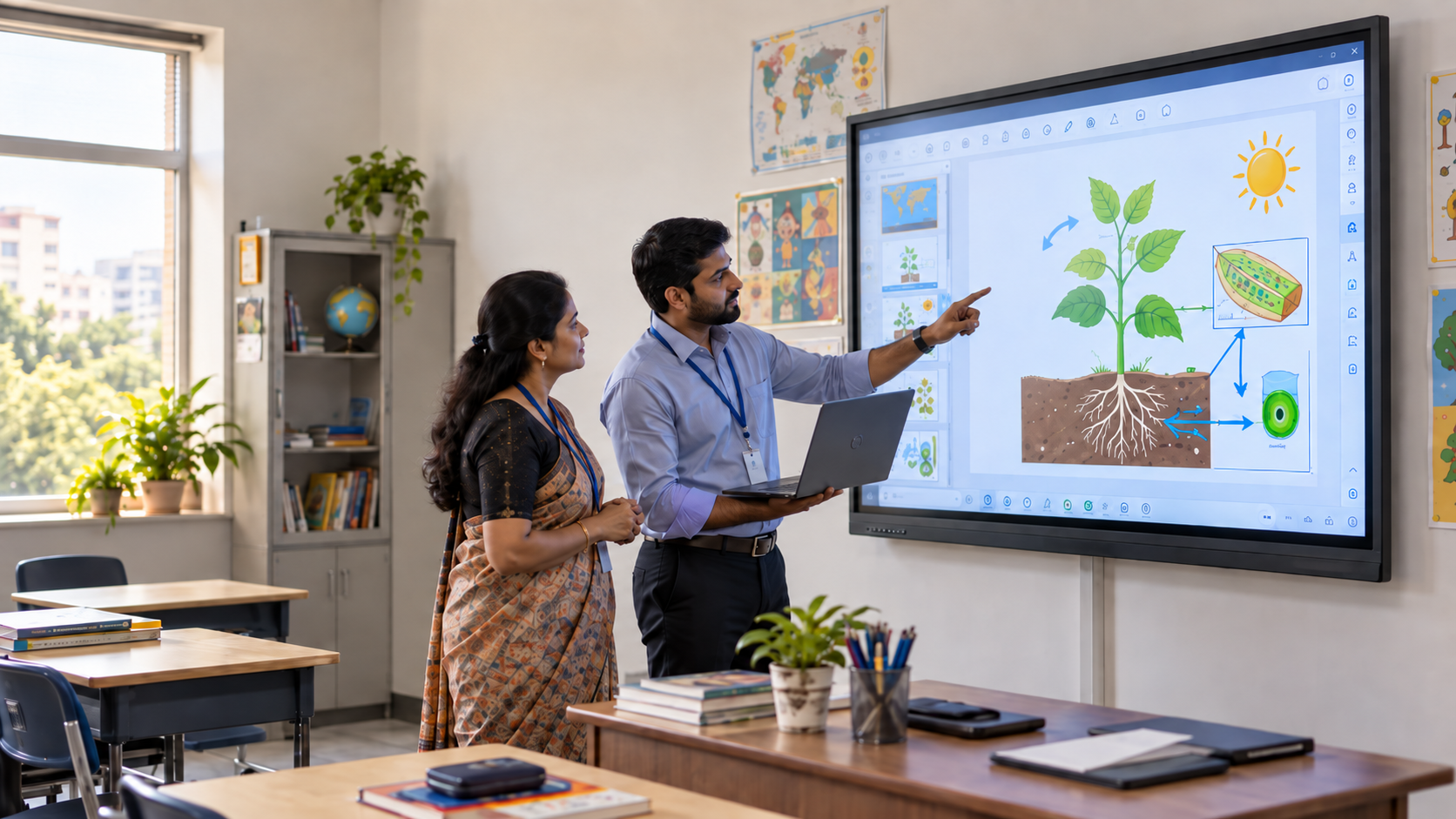
- Creating Diagrams and Visual Aids: Biology processes, chemical bonds, and sentence structures often look like spaghetti in text format. Use open-source drawing tools for teaching to create clean, simple diagrams. A flowchart showing the "cause and effect" of a historical event can clear up confusion instantly.
- Infographics: Think of an infographic as a "cheat sheet" for your students. By combining shapes, icons, and short text, you can summarize a whole chapter in one image. It highlights the essential points without the fluff, giving students a visual anchor for their revision.
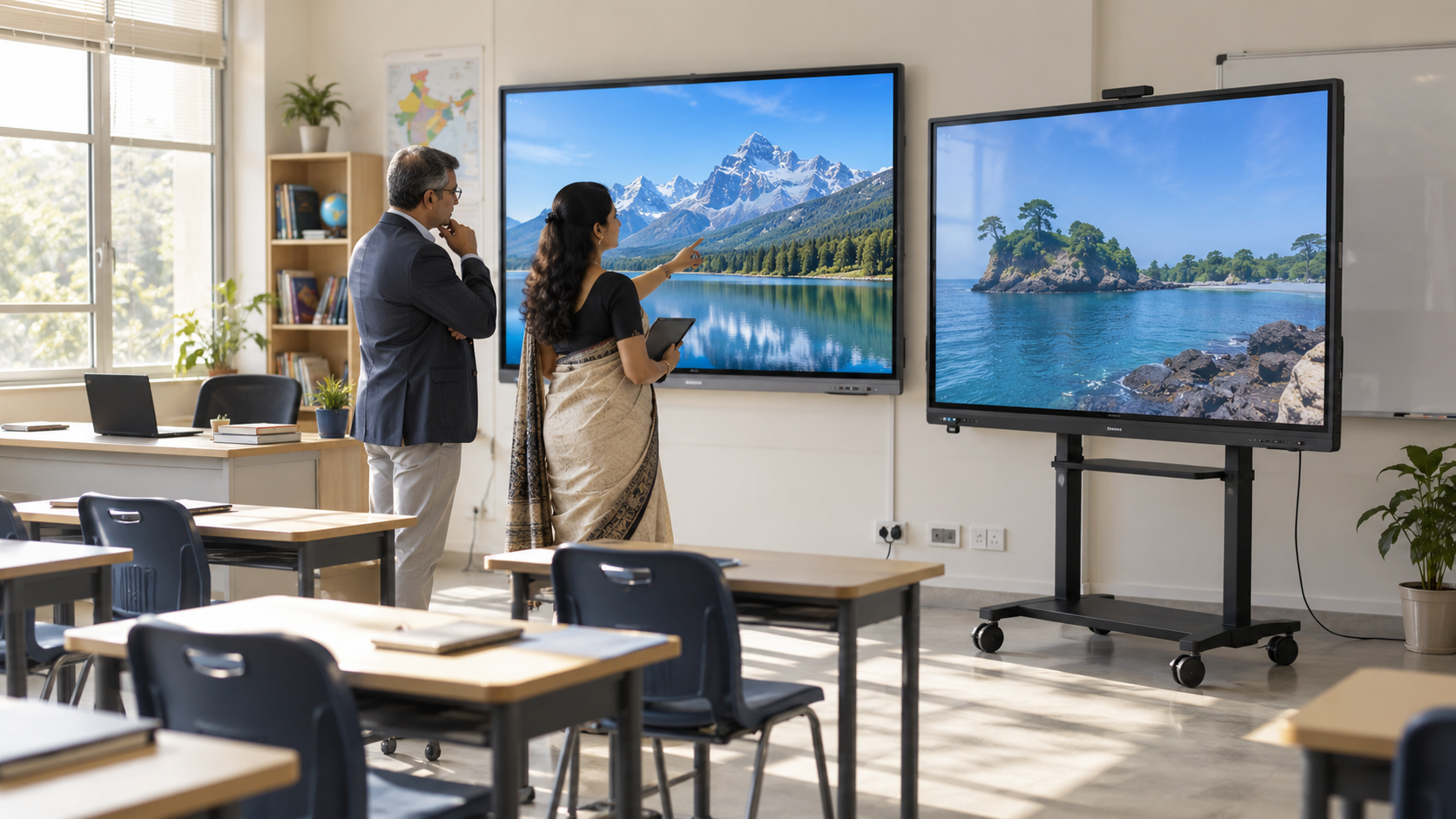
- Interactive Content: If your school has an interactive whiteboard, don't just use it as a projector screen. Use software that allows you to create clickable slides. Imagine a map where clicking on a state reveals its capital and main language. This turns a geography lesson into a treasure hunt.
How to Effectively Use Government Platforms and Local Resources
In India, we have robust government-backed digital initiatives to help educators. These are powerful tools for teaching that are free and culturally grounded.
Leveraging DIKSHA and ePathshala
DIKSHA is a massive repository designed to support teachers. It offers free access to digital textbooks, lesson plans, and instructional videos.
- Integration: You can weave these resources directly into your lesson flow. For example, after teaching a topic, you can pull up a quiz from DIKSHA on the smart classroom screen to check understanding in real-time.
- ePathshala: This platform is fantastic for accessibility. The platform provides a variety of audio-visual materials and e-books, accessible in numerous languages. Instead of relying solely on the physical textbook, which might be outdated or limited, ePathshala allows you to bring in fresh, standardized content that aligns with the syllabus.
The key is to use these platforms as supplements. They don't replace your teaching; they enrich it, offering a different perspective that might click for a struggling student.
Best Practices for Creating and Using Multimedia Content
Just having the tools for teaching isn't enough; it's about how you use them. Here are some best practices to keep your lessons effective, not just flashy.
Focus on Short, Engaging Videos
The "TikTok effect" is real, and attention spans are shortening.
- Keep it Brief: Aim for videos that are 5–10 minutes long. If a video drags on, students tune out.
- Chunk It: If a topic is large, break it down. Create a series of mini-videos. This helps students digest the content in manageable bites without feeling overwhelmed.
- Storytelling: Humans love stories. Frame your lesson as a narrative. Instead of just stating facts, present a problem or a mystery that the lesson will solve.
Prioritize Accessibility and Inclusivity
We must ensure that the digital classroom doesn't leave anyone behind.
- Offline Access: In rural or underserved areas, streaming is a luxury. Always provide downloadable versions of your videos or content so students with spotty internet can view them later.
- Clarity: Add subtitles to your videos. Ensure your diagrams have high contrast and clear fonts. This helps students with hearing or visual impairments and supports those who are learning in a second language.
- Language: Use bilingual resources where possible. Translating key terms into the regional language can be the key to unlocking understanding for many students.
Interactive and Active Learning
Multimedia should not be a passive experience.
- Active Tasks: After watching a video, don't just move on. Ask students to answer a specific question, solve a related problem, or debate the point raised in the clip.
- Student Creators: Flip the dynamic. Encourage students to use these same tools to create their own diagrams or short explanatory videos. Teaching a concept to their peers is often the best way to learn it.
Technical Considerations for Indian Classrooms
We have to be realistic about the infrastructure challenges many of us face.
Overcoming Connectivity Issues
The internet might fail you, usually when you need it most.
- Solution: Always have a "Plan B." If the video won't load, have a low-bandwidth alternative ready, like a slideshow or a static infographic.
- Lightweight Content: Compress your videos and images. Low-resolution files are faster to download and stream on basic data plans.
- The "USB Strategy": For areas with no internet, pre-loading materials onto USB drives or school devices ensures students still get access to digital learning materials offline.
Language and Cultural Relevance
One major issue with generic internet content is that it often lacks local context.
- Regional Languages: Take full advantage of DIKSHA’s regional offerings. Teaching a concept in a student's mother tongue first can build a bridge to understanding the English terminology later.
- Local Context: When you create examples, use local references. Talk about local crops, local festivals, or local geography. It makes the content relatable and proves that learning isn't just something that happens in textbooks; it happens in their world.
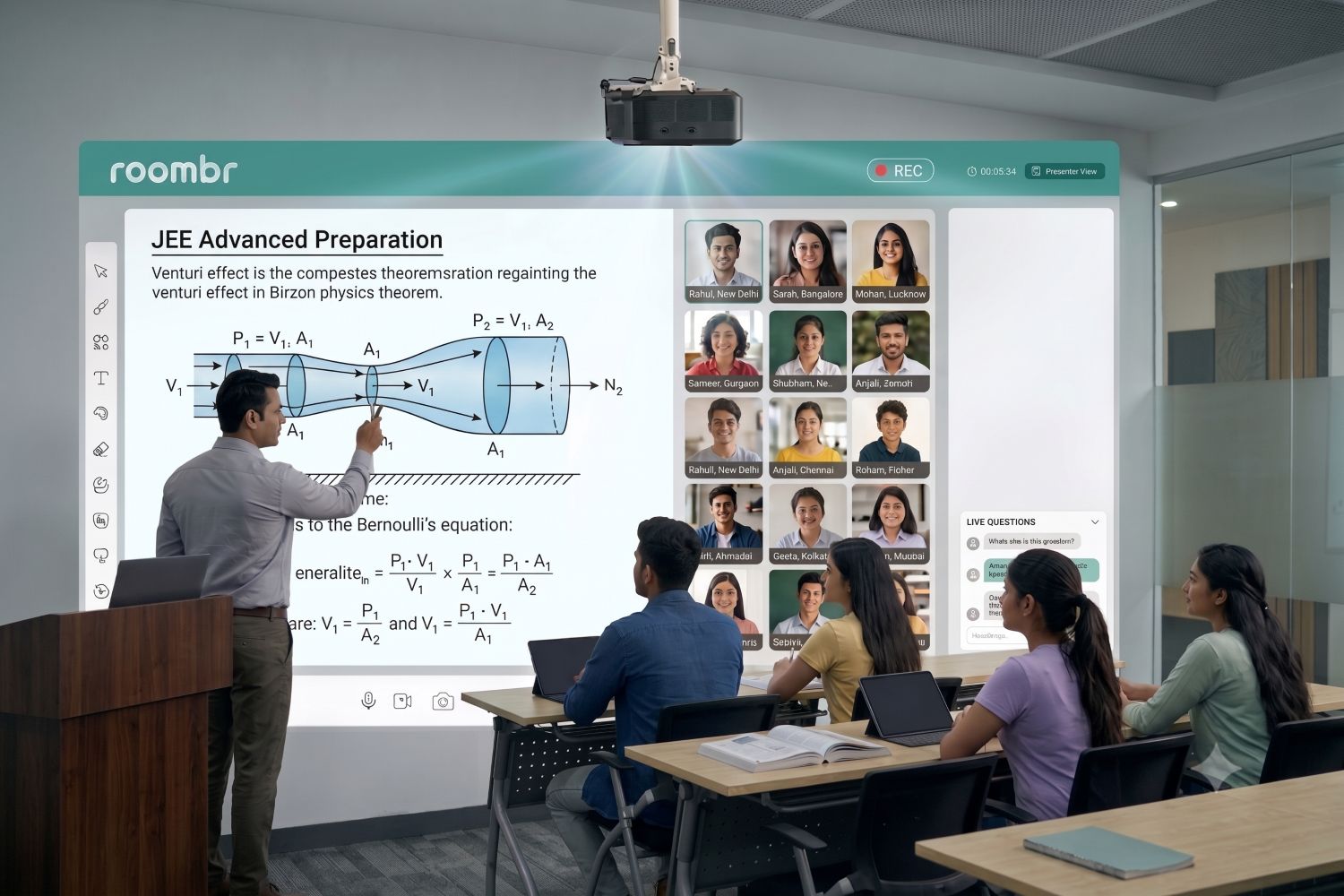
Creating video and multimedia content tailored for specific classes should be seamless and easy. Explore Roombr, the all-in-one digital classroom solution. It is integrated with simplified tools for teaching that enhance every step of your content workflow.

Foziya Abuwala
Share
Step Into the future of
Education with Roombr