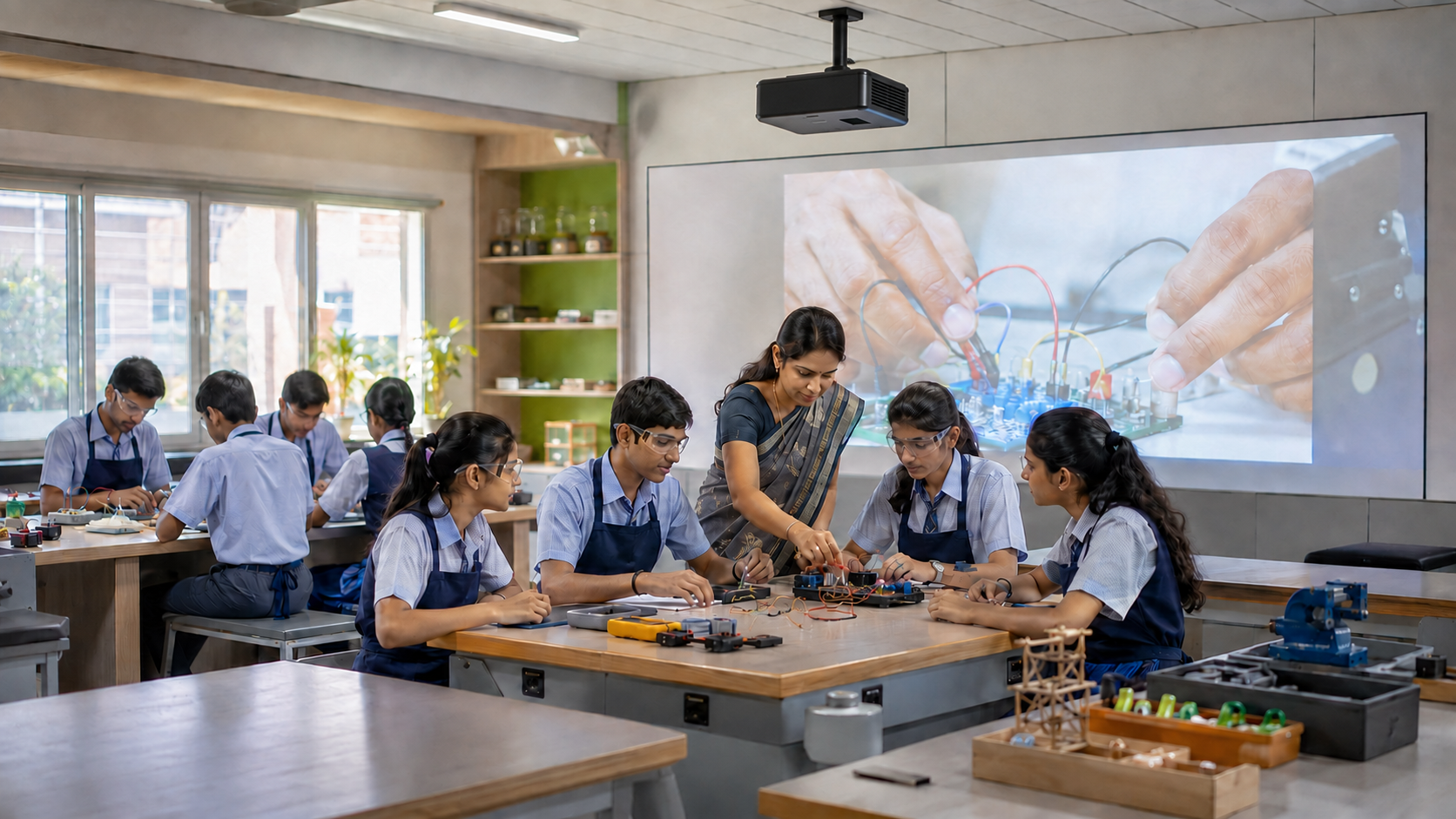


A lot of government schools in India get a sanction for classroom tech and still struggle to run regular lessons on it. The reason is simple. Funding usually covers the “kit”, but a working classroom needs more than a box of hardware.
This digital classroom setup guide is written for headmasters, principals, school management committees, educators, and decision makers who want a practical plan. You’ll see what Samagra Shiksha support typically covers, what it usually leaves out, and a clear gap plan so installation day does not turn into a mess.
What Samagra Shiksha Usually Supports
Across many states, approvals land under two common buckets:
1) ICT Lab Support
This is meant for a shared lab where students can use computers or tablets, and teachers can run lessons, practice, and basic computer education.
What often gets covered in the sanctioned scope:
- Student devices (desktops/laptops/tablets), based on enrolment and class levels
- Teacher device
- Display (projector/TV) or a classroom screen setup for the lab
- Basic networking items (router/switch) as part of the lab setup
- Power backup (often a UPS) for devices
- Printer/scanner/webcam
- Basic furniture in some plans
- Annual maintenance coverage may be part of the expectation in many tenders, but the way it gets written varies
2) Smart Classroom Support
This is usually planned as “two smart classrooms per school” in many state proposals, focused on teaching through a board/display setup rather than a full lab.
What often gets covered in scope:
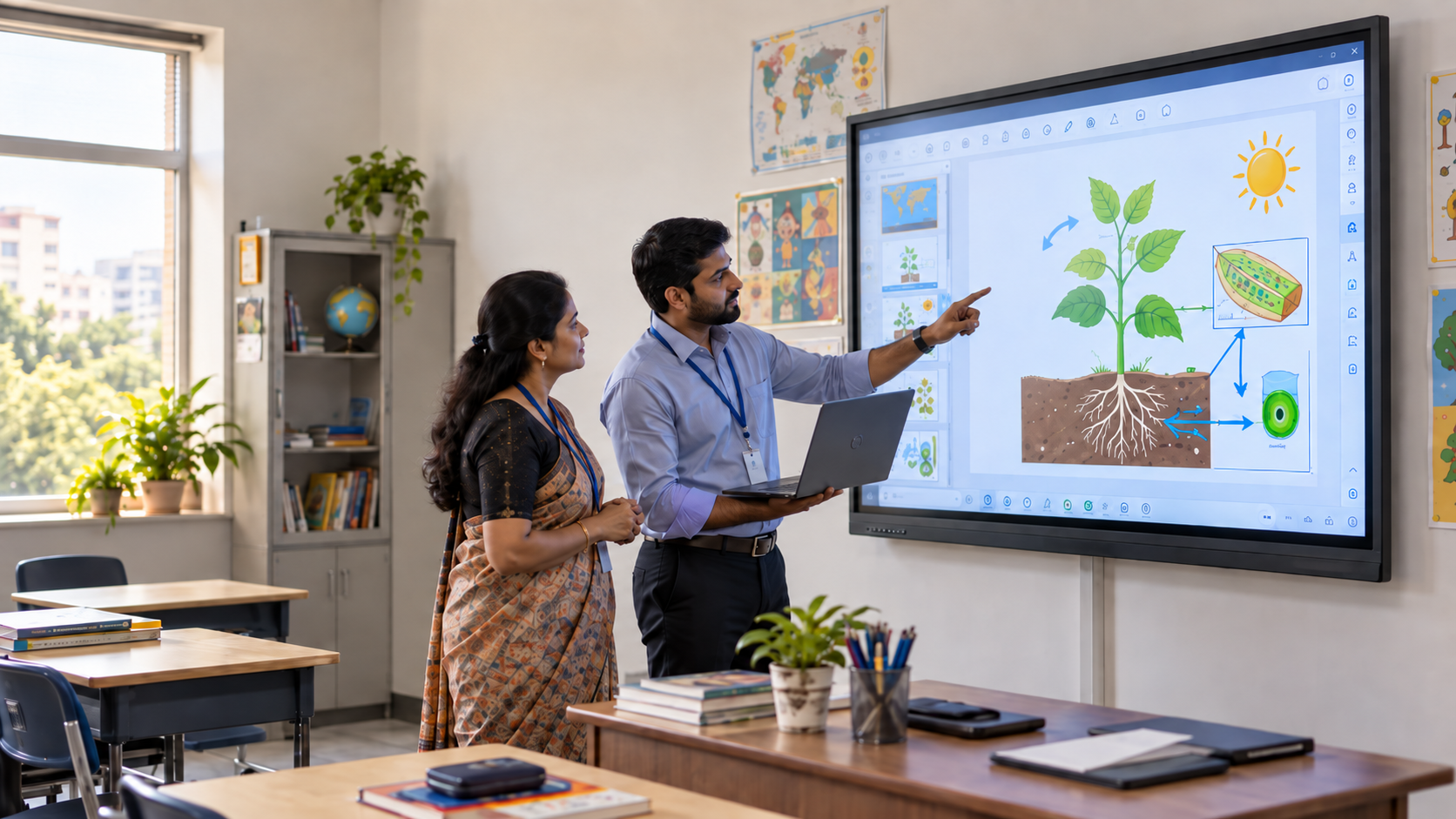
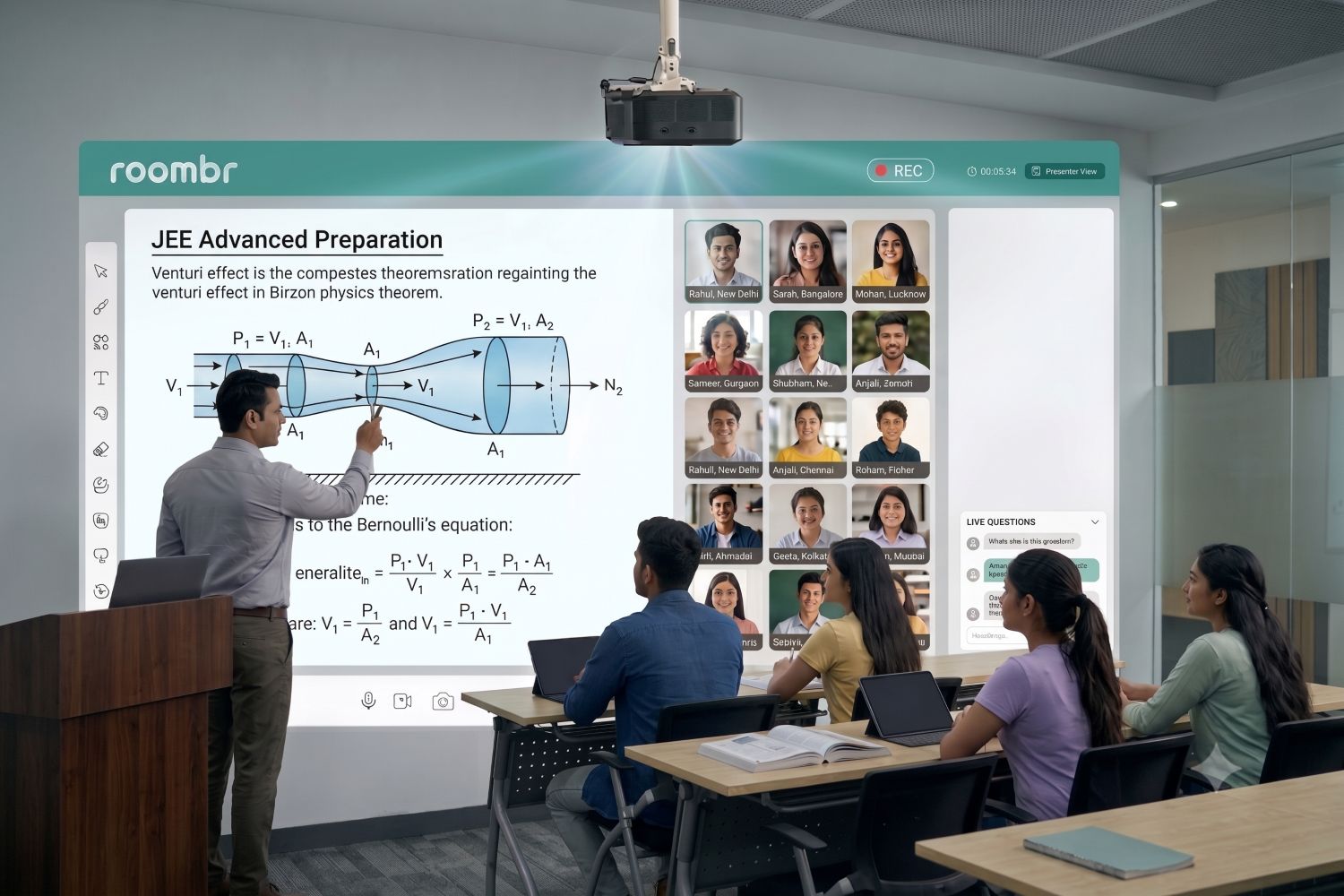
- A teaching display system (often a screen or projector-based digital classroom setup)
- Teaching content access plan (varies by state and vendor)
- Some recurring allowance is commonly expected to cover content and running costs, like electricity, in the approved plan
Here’s the practical reality: the scheme helps you buy the core equipment, but your school still needs readiness work to make it usable every day.
The “Covered Items” List You Will Actually See in a BOQ
This section helps you read a Bill of Quantities (BOQ) quickly and spot what’s included.
ICT Lab: Typical BOQ Line Items
- Desktops or laptops (quantity tied to enrolment)
- Headphone sets (sometimes included, often missed)
- Teacher laptop/desktop
- Projector + screen or TV panel for demonstrations
- Printer/scanner
- Webcam (often listed, not always used well)
- Router + basic cabling
- UPS for lab devices
- Tables, chairs, racks (sometimes)
- Software stack plan (often basic OS + office suite, sometimes open-source)
What to Watch For in Lab BOQs:
- Devices without a proper power plan (too few sockets, unsafe extension boards)
- “Networking included”, but no cabling route, no switch, and no mounting plan
- The UPS capacity is too small for the actual load
- No spare plan (mouse, keyboard, cables fail more than people think)
Smart Classroom: Typical BOQ Line Items
- Digital board setup (interactive panel or projector-based board)
- Mounting hardware
- Basic audio (speaker / sound bar)
- Teaching PC (sometimes through OPS, sometimes a separate mini-PC)
- Cabling and basic accessories
- Content access method (varies a lot)
What to Watch for in Smart Classroom BOQs
- A screen listed without a clear teaching PC plan
- No audio plan (students at the back will stop paying attention fast)
- No glare plan (if sunlight hits the screen, the room loses value)
Digital Classroom Setup List with Price (Realistic Ranges for Institutions in India)
Prices vary by state procurement rates, tender specs, warranties, and quantities. Still, schools and district teams need working ranges to plan gaps and approvals.
You can use and modify the estimation provided below. These ranges are common in the market and procurement conversations, but treat them as planning numbers, not final quotes.
Core Teaching Room Kit (One Classroom)
1) Interactive flat panel display (standard 65" model)
- Range: ₹1.40 lakh to ₹2.80 lakh (depends on brand, warranty, touch quality, embedded software, and service terms)
2) OPS for interactive panel (optional, if using OPS route)
- Range: ₹35,000 to ₹85,000 (depends on RAM/SSD, OS licensing approach)
3) Mini-PC / desktop (if not using OPS)
- Range: ₹25,000 to ₹55,000
4) Basic classroom audio
- Sound bar/speaker: ₹4,000 to ₹18,000
- Wireless mic set (if needed): ₹8,000 to ₹30,000
5) UPS/power backup
- For panel + PC: ₹10,000 to ₹35,000 (capacity changes the number)
6) Mounting + safety
- Wall mount / mobile stand: ₹3,500 to ₹35,000 (stand is costlier but useful when the wall quality is weak)
7) Cabling, conduit, and accessories
- ₹2,000 to ₹12,000 (often ignored, then becomes a delay)
If your school is planning a projector-based digital classroom setup instead of an interactive panel:
- Short-throw Projection Bundle (includes projector unit, display surface/board, and mount): ₹55,000 – ₹1.60 Lakh
- Add ongoing lamp/maintenance considerations depending on the model
Quick Reality Check On “Digital Board For Classroom Price in India”
When people say “digital board”, they may mean:
- An interactive panel (touch screen)
- A projector + whiteboard combo
- A basic TV + teaching PC setup
So the “digital board for classroom price in India” can sit anywhere from ₹60,000 to ₹3 lakh+ per room, based on what “board” means in that school’s plan. The better question is: what setup will still work after 18 months in your conditions?
The Gaps to Plan for (What Funding Often Does Not Solve)
This is where most projects stumble. If you handle these early, you get actual teaching hours, not just installation photos.
Gap 1: Room Readiness and Civil Work
Common missing pieces:
- Wall strength assessment (many classrooms have hollow or damaged plaster)
- Patchwork and paint after drilling
- A secure cabinet or lockable space for small equipment (microphones, remote controls, connecting cables)
- Seating layout changes so students can see the screen
- Lockable cupboard for the teacher's PC (theft risk is real in shared buildings)
Practical Fix: Create a one-page “room readiness checklist” and get it signed by the school and installer before dispatch.
Checklist items:
- Chosen room number
- Wall type and condition
- Mounting height decision
- Power point location
- Internet availability
- Storage plan for accessories
Gap 2: Electrical Safety and Power Quality
Even when a UPS is included, these are often missing:
- Proper earthing check
- MCB and surge protection
- Dedicated socket for the display and PC (not shared with fans)
- Safe conduit route (not loose wires where kids can pull)
Practical Fix: Set a basic electrical standard for every room:
- One dedicated board for classroom tech
- Surge protection
- Proper earthing confirmation
- Cable route in conduit, not open wiring
Gap 3: Internet and Content Access
Many schools assume they need the internet all the time. In practice:
- Connectivity may be weak in rural areas
- Data costs may sit outside the project scope
- Wi-Fi routers fail, and there’s no replacement plan
Practical Fix: Plan for two modes:
- Low-connectivity mode: offline content library stored on the classroom PC
- Connected mode: updates and extra resources when the network works
This single choice reduces class disruption.
Gap 4: Operational Ownership After Handover
A school needs clear answers to:
- Who has admin access?
- Who can install apps?
- Where are passwords stored?
- Who logs issues, and how fast do they get fixed?
- Who checks usage each month?
Without this, the room slowly stops being used.
Practical Fix: Make a simple “ownership card” for each school:
- One teacher is in charge
- One backup teacher
- One block contact for escalation
- A 3-step issue reporting method (WhatsApp group, register, ticketing, choose one and stick to it)
Gap 5: Teacher Onboarding that Fits Real Schedules
One-time training is not enough. Teachers rotate, get transferred, and exam schedules take over.
Practical Fix: Ask for a training plan that includes:
- Initial hands-on session
- Follow-up after 2–3 weeks (once teachers have tried it)
- A refresher session after 60–90 days
- Quick reference sheets stuck near the teacher's desk (start class in under 60 seconds)
Gap 6: Asset Tagging and Theft Prevention
Many schools lose the accessories of a digital classroom setup long before the display fails.
Practical Fix:
- Asset tag every item (panel, PC, mic, UPS)
- Keep a lockable box for small accessories
- Keep a signed handover sheet that lists serial numbers
A Gap Budget Worksheet You Can Use (Per Classroom)
This is a fast way to plan money outside the sanctioned digital classroom setup kit.
One-Time Gap Costs:
- Electrical board upgrade + surge + earthing fixes: ₹6,000 to ₹25,000
- Conduit + safe cabling route: ₹2,000 to ₹10,000
- Wall repair/paint after mounting: ₹1,500 to ₹12,000
- Lockable storage: ₹2,500 to ₹15,000
- Basic spares kit (cables, HDMI, mouse, markers if needed): ₹1,000 to ₹5,000
Monthly/Recurring Gap Costs
- Internet/data: varies (plan for at least a minimal monthly cost if you need connectivity)
- Minor consumables and repair buffer: ₹300 to ₹1,000
These are not big numbers, but if nobody owns them, the room becomes “out of order” quickly.
A Step-By-Step Implementation Plan that Works in Government Schools
Phase 1: Readiness (Week 0–2)
Goal: Prevent rework and delays
Actions:
- Pick the two rooms (or lab room) and freeze the scope
- Do a 30-minute room survey using the readiness checklist
- Confirm power points, mounting location, and seating sightlines
- Decide content mode: offline-first or connected-first
- Finalise who owns the room after handover (teacher in charge)
Deliverables:
- Signed readiness sheet per room
- Basic electrical approval by an electrician
- A list of gaps and who pays for them (school grant / CSR / district support)
Phase 2: Procurement and Pre-Install (Week 2–6)
Goal: Stop bad specs before delivery
Actions:
- Verify that the kit includes all basics: mounts, cables, audio, and a teaching PC plan
- Confirm warranty and service terms in plain language
- Ask the installer for a dispatch checklist
Deliverables:
- BOQ sanity check sheet
- Dispatch list with serial number capture plan
Phase 3: Installation and Acceptance Testing (Install Week)
Goal: Validate functionality before sign-off
Use a strict sign-off checklist. A smart working classroom should pass these in one hour:
Display and touch
- Screen works without flicker
- Touch is accurate across corners
- Writing feels smooth enough for normal teaching
Teaching PC / OPS
- Boots within a reasonable time
- Can open lesson content without lag
- Has required ports working (HDMI/USB/audio)
Audio
- Voice is clear from the back bench
- No crackling, no low volume
Power backup
- UPS holds for a short outage
- Safe shutdown method is clear
Class-start test
- A teacher can: switch on, open a lesson, write, and save within 3–5 minutes
If the room fails the class-start test, it will not be used regularly.
Phase 4: Stabilisation and Usage (First 30 days)
Goal: Move from “installed” to “used”
Actions:
- Put the room into the timetable (even if it’s 3 periods a week to start)
- Track two simple metrics:
- number of periods taught using the system
- common issues faced
- Run the follow-up training after 2–3 weeks
Choosing the Right “Digital Board” Type for Government Schools
When budgets are tight, the aim is not the fanciest spec. It’s consistent teaching use.
Interactive panel route (touch screen)
Best when:
- You want a fast digital classroom setup and fewer moving parts
- You have glare control or can place the screen away from direct sunlight
- You want teachers to write directly on the screen
Watch-outs:
- Needs stable power and safe mounting
- Needs a clear service plan for touch issues
Projector-based route
Best when:
- The screen size needs to be very large at a lower initial cost
- Wall quality suits a fixed install
- You can control the lighting reasonably
Watch-outs:
- Lamp life and maintenance planning
- Alignment and calibration effort
- Dust can degrade performance faster
Consequently, the "digital board for classroom price in India" is highly variable and depends on the chosen technology. The classroom conditions decide the real cost over three years.
Where Roombr Fits In (Without Changing Your Sanctioned Scope)

Roombr’s value in government school projects is not limited to devices. It’s the end-to-end execution that turns a sanctioned kit into a room teachers use daily:
- Room readiness survey and gap list before dispatch
- Safe electrical and cabling plan per room
- A clear smart classroom setup plan that matches the school timetable and staffing
- Teacher onboarding that includes follow-ups, not a one-day session
- Acceptance testing and documentation at handover
- Ongoing support structure so small issues don’t kill usage
If you’re planning across multiple schools, the biggest win is standardisation. When every room follows the same digital classroom setup rules, training becomes easier, and service becomes faster.
Frequently Asked Questions
1. Is Samagra Shiksha enough to run a working smart classroom?
It often covers the core kit, but schools still need readiness work: power safety, cabling, storage, and post-handover ownership.
2. What is a realistic smart classroom equipment list with price for planning?
A single room can range from about ₹60,000 (basic projector route) to ₹3 lakh+ (interactive panel route with stronger service and accessories), depending on specs and support terms.
3. What are the most common gaps that delay installation?
Weak walls, missing power points, unsafe wiring routes, and missing accessories like audio and cabling.
4. How do we prevent the classroom from stopping after a few months?
Define ownership, keep spares for small items, run follow-up teacher sessions, and keep a service escalation path.
5. How is Roombr different from other digital classroom setups?
Roombr distinguishes itself as the world's first patented, all-in-one "Walltop Computer," eliminating the chaos of integrating separate devices like panels, PCs, and mics. It offers a single, plug-and-play solution for a large interactive display, simplifying setup, lowering maintenance costs (one warranty), and guaranteeing seamless, day-one teacher adoption.
Turn Your Sanctioned Digital Classroom Setup Kit into Guaranteed Usage
Stop letting sanctioned funding result in unused technology. Roombr is engineered for the unique realities of government schools—uneven power, tight budgets, and limited IT support.
We don't just supply equipment. We provide the operational framework: room readiness surveys, safe electrical plans, and ongoing teacher onboarding that guarantees the technology is used every day. Ensure your Samagra Shiksha investment translates directly into learning hours, not just inventory. Contact us today for a FREE consultation and demo to understand our technology in real-world scenarios.

Foziya Abuwala
Share
Step Into the future of
Education with Roombr