

Remember the chaos of group projects back in the day? The screeching of desks being pushed together and the scramble for the one good marker. Classroom collaboration has come a long way since then. We have moved from scribbling on poster paper to interacting digitally in real-time, often without even sitting in the same room. But is newer always better? Which method truly boosts learning outcomes?
It is a valid question. As educators and administrators, we aren't just looking for flashy gadgets. We want results. We want students who can think critically and work together effectively.
In this blog, we’ll explore how digital tools are transforming digital collaboration in the classroom and why they might be the better choice for today’s tech-driven education. We are going to break down exactly how modern tech differs from the old-school approach and, more importantly, what that shift means for the students sitting in your classrooms today.
What is Traditional Collaboration in the Classroom?
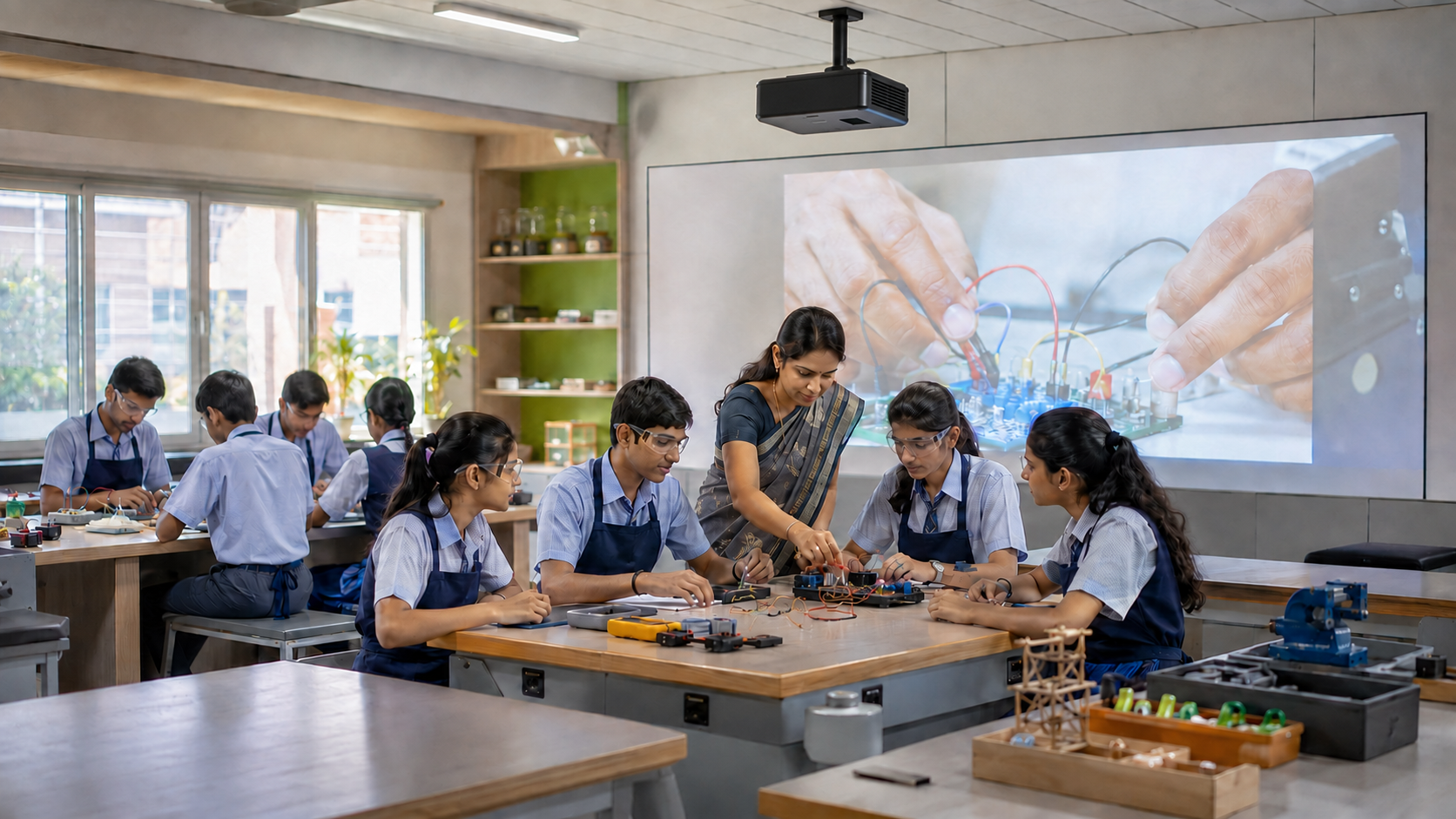
To really understand where we are going, we have to look at where we’ve been. Traditional collaboration involves students working together in person, usually around a shared physical workspace like a desk or a whiteboard.
You know the drill. The teacher says, "Get into groups of four," and the room shuffles into clusters.
Key Characteristics:
- Group Work: Students are physically clustered to work on assignments, discussions, or role-play activities.
- Teacher-Led Activities: The teacher is the conductor, physically moving from group to group to facilitate problem-solving.
- Physical Resources: The tools are tangible which include textbooks, notebooks, oversized paper, glue sticks, and chalk.
Challenges:
While there is undeniable value in face-to-face interaction, traditional methods have some serious friction points that teachers have battled for decades.
- The "Passenger" Syndrome: We have all seen it. In a group of four, two students do the work, one watches, and one doodles in the margins. In a traditional setup, it is incredibly easy for a student to hide and let others carry the load.
- Resource Limitations: If the materials are in the classroom, the collaboration stays in the classroom. If the bell rings and the debate isn't finished, the momentum dies instantly.
- The Absence Gap: This is perhaps the biggest flaw. If a student is sick or traveling, they simply miss out. There is no way to "catch up" on a collaborative discussion that happened in physical space.
Imagine this scenario: A student, let's call her Priya, misses a critical brainstorming session for the science fair because of a fever. In a traditional setup, she comes back to school two days later, completely out of the loop. She can't "replay" the group discussion. That learning moment is gone forever.
What is Digital Collaboration in the Classroom?
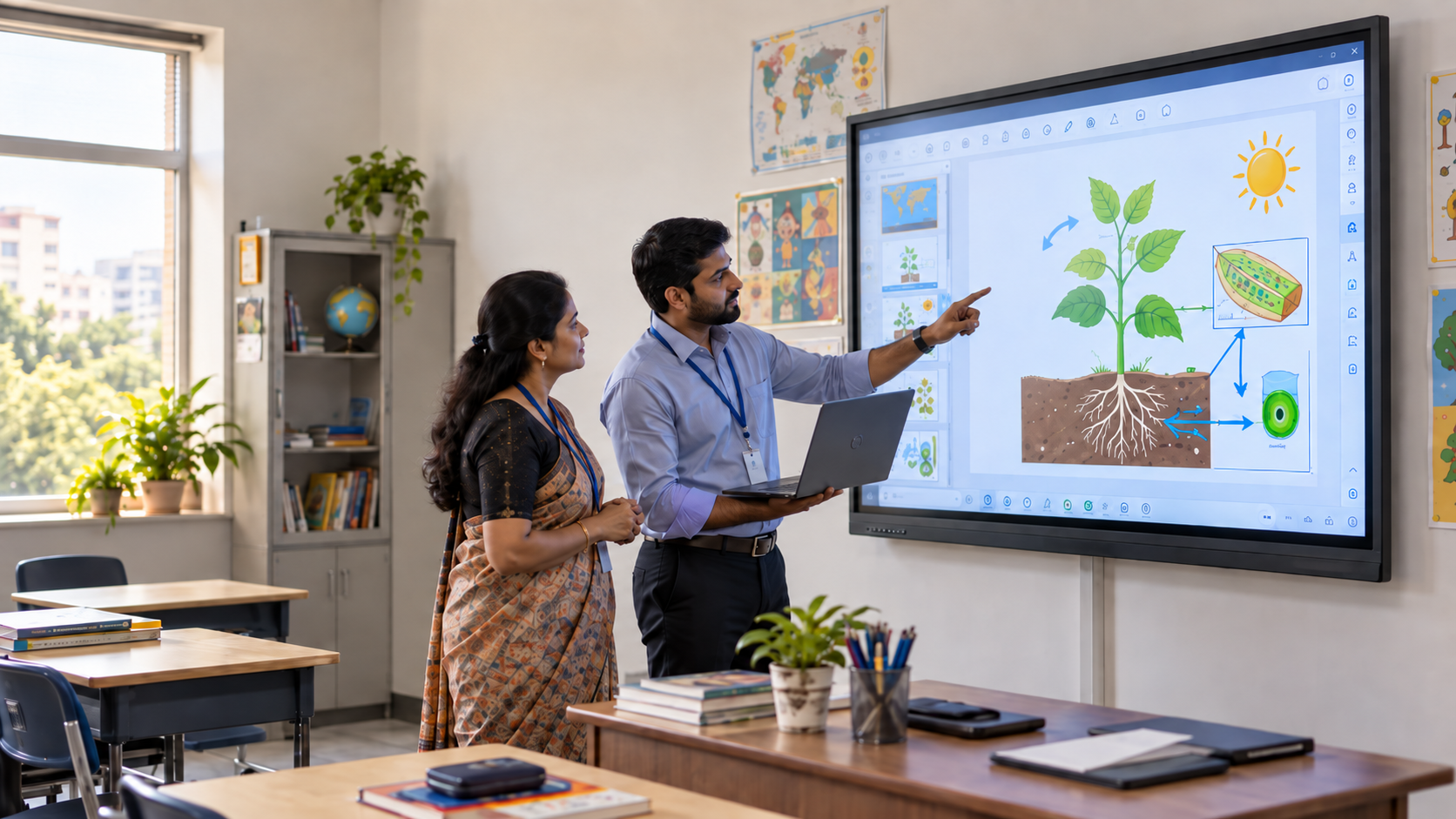
So, how does the new way differ? Digital collaboration in the classroom leverages technology, such as cloud-based platforms, apps, and smart devices, to enable students and teachers to work together in real-time, whether they are sitting knee-to-knee or miles apart.
It’s not just about typing instead of writing. It’s about creating a shared digital workspace that lives on the cloud.
Key Characteristics:
- Cloud-Based Tools: We are talking about tools like shared documents, online whiteboards, and platforms where multiple cursors can edit a single project simultaneously.
- Real-Time Feedback: Teachers don't have to wait to collect notebooks at the end of the week. They can jump into a digital collaboration in the classroom session live, see who is writing what, and offer guidance instantly.
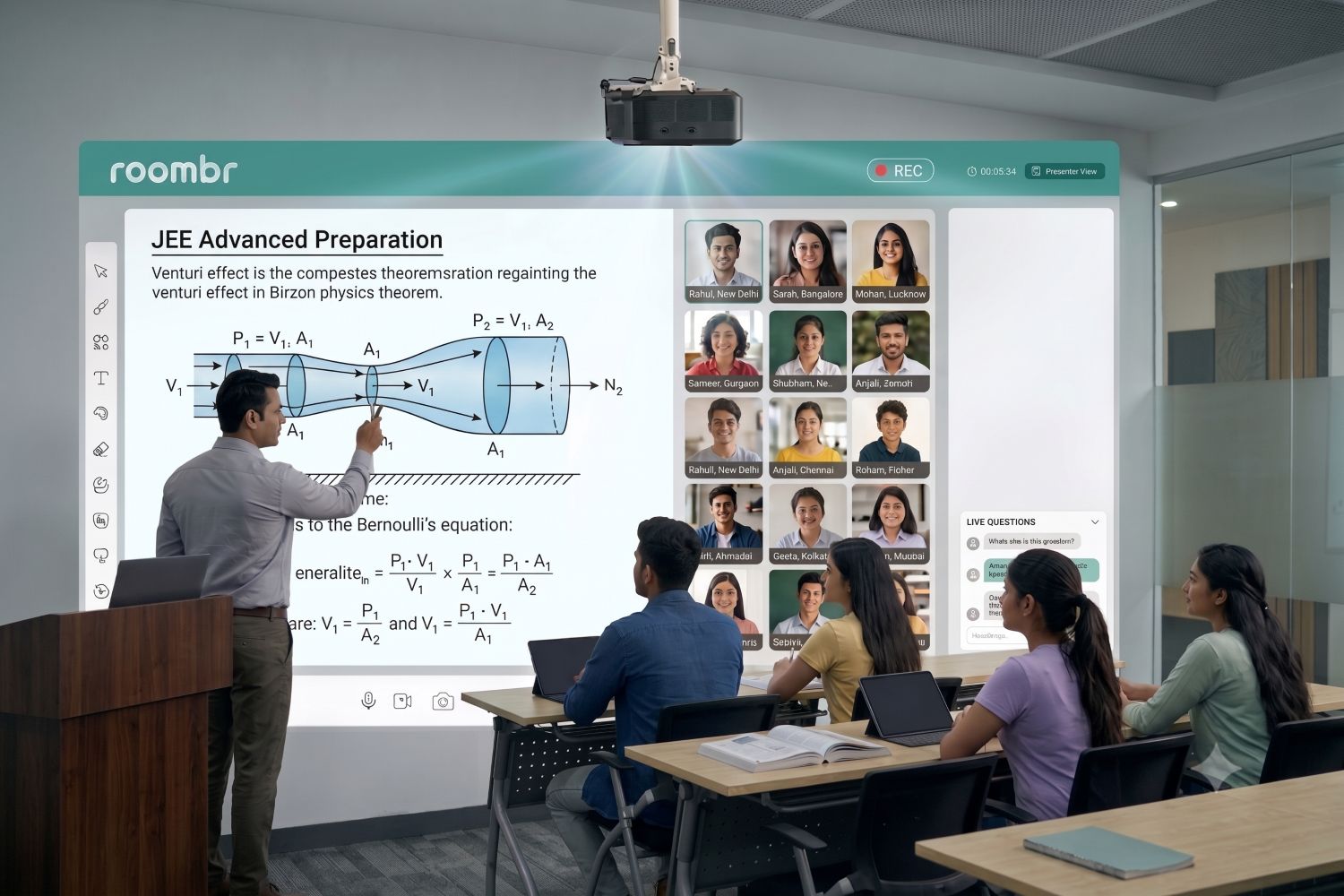
- Remote Learning Integration: This facilitates remote or hybrid learning, meaning the classroom walls no longer define the limits of teamwork.
Benefits:
- Accessibility: Learning materials and sessions are accessible from anywhere. A thought that strikes a student at 8 PM can be added to the project immediately.
- Scalability: You can have five students brainstorming, or fifty. A robust digital classroom setup allows for large-scale collaboration that just isn't physically possible with chart paper.
- Personalized Learning: Not everyone speaks up in a loud group. Digital tools allow the quiet thinkers to type their ideas, ensuring different learning styles are respected.
Let’s go back to Priya. If her class was using a digital collaboration in the classroom platform, she could have logged in from home (if she felt up to it) or simply logged in the next day to see exactly what her group brainstormed. The history is there. She isn't left behind.
Digital Collaboration vs Traditional Collaboration: Key Differences
It helps to see these side-by-side. The shift from traditional to digital isn't just a change in medium. It's a change in dynamic.
The Benefits of Digital Collaboration for Today's Classroom
Why should a school invest in a digital classroom setup? It’s not just to look modern. The pedagogical benefits are tangible. Here is why digital collaboration in the classroom is winning over educators globally.
Increased Engagement and Interactivity
Students today live in a media-rich world. A black-and-white worksheet just doesn't grab their attention. Digital collaboration in the classroom allows tools to incorporate videos, images, hyperlinks, and even 3D models into group work.
Example: Instead of reading about geography, students can collaborate on a map, pinning locations, adding video clips of the culture, and commenting on each other's research in real-time. The engagement levels skyrocket.
Improved Learning Outcomes
Collaborative learning has always been good for critical thinking, but digital tools amplify it. When students can see peer feedback instantly, they learn to iterate. They learn that a project isn't "done" just because they finished writing; it evolves.
Example: A student writes an introduction for a group essay. A teammate highlights a sentence and suggests a stronger verb. The first student accepts the change. They have just learned a writing skill from a peer, instantly.
Flexibility and Accessibility
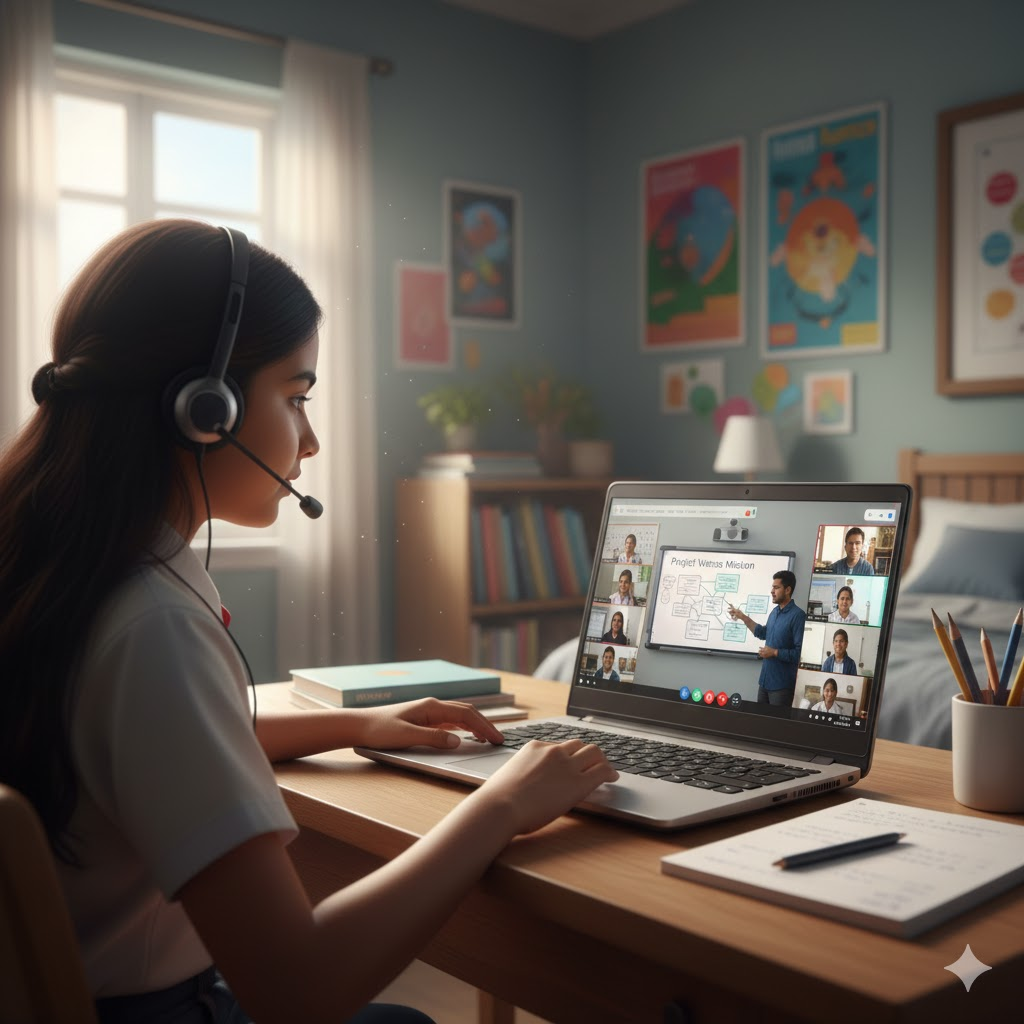
This is the era of hybrid learning. Schools need to be prepared for anything, snow days, pollution holidays, or just individual student absences. Digital collaboration in the classroom ensures that education is resilient. It enables both synchronous (live) and asynchronous (on your own time) participation.
Example: A student can join a live classroom brainstorming session from home via a video link, or catch up later by watching the recorded session and adding their notes to the shared board.
Teacher Empowerment
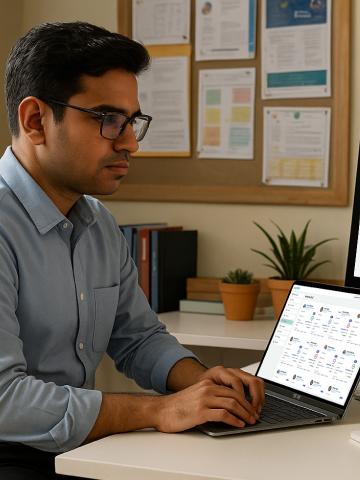
This is often the unsung hero of digital tech. In a traditional room, a teacher can’t listen to ten groups at once. But with a digital classroom setup, a teacher can have a "bird's eye view." They can look at their dashboard and see which group is stuck, which group is flying, and who hasn't contributed yet. It allows the teacher to intervene exactly where they are needed, rather than just wandering and hoping for the best.
Digital collaboration in the classroom isn't about replacing the human connection. It's about removing the barriers that stop that connection from happening efficiently. It makes learning messy, fun, visible, and enduring.
Explore how Roombr’s holistic digital classroom solution can revolutionize collaboration in your school.

Foziya Abuwala
Share
Step Into the future of
Education with Roombr