

In many Indian schools and colleges today, digital tools are already part of everyday teaching. Lesson notes are shared via WhatsApp, attendance is logged on tablets, and assignments are uploaded to portals. Yet despite this, many educators still feel that their Learning Management System (LMS) is not delivering the impact they expected.
The disconnect rarely stems from a lack of features or poor coding. Instead, it usually comes down to a lack of harmony. When a system doesn't "click" with the natural rhythm of a teacher's day, it feels like an administrative burden rather than a teaching aid.
To see the real value of a learning management system, we have to look past the dashboard and examine the actual lifecycle of a lesson: what happens before the bell rings, during the heat of instruction, and after the students head home.
Why Learning Management System Workflow Matters More Than Features
Many institutions evaluate an LMS by checking dashboards, reports, and integrations. These are important, but they do not determine whether teachers will actually use the system.
In a digital classroom, teachers want tools that save time, not add steps. When the LMS supports normal teaching behavior, adoption increases. When it interrupts that flow, even the best platform struggles.
A clear workflow helps teachers understand when and how the LMS fits into their day. It also helps administrators set realistic expectations instead of assuming the system will magically improve outcomes.
What LMS Workflow Really Means in a Classroom
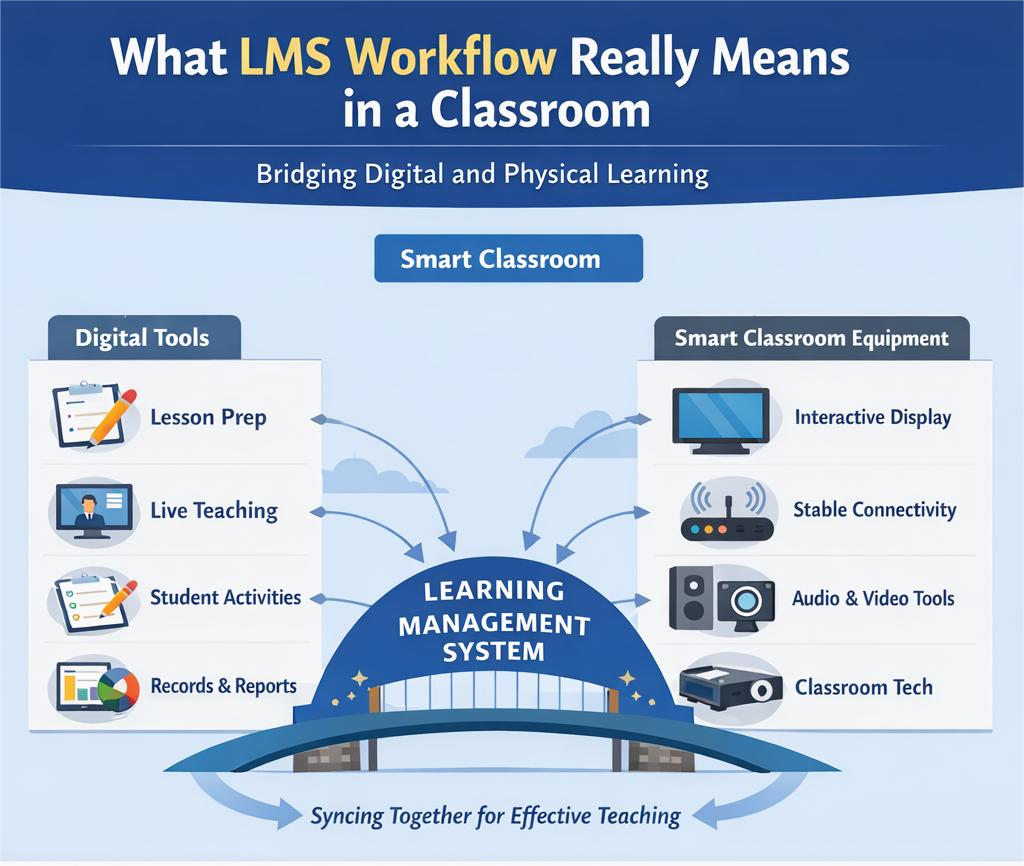
At its core, a learning management system workflow is the bridge connecting lesson prep, live teaching, student participation, and academic record-keeping.
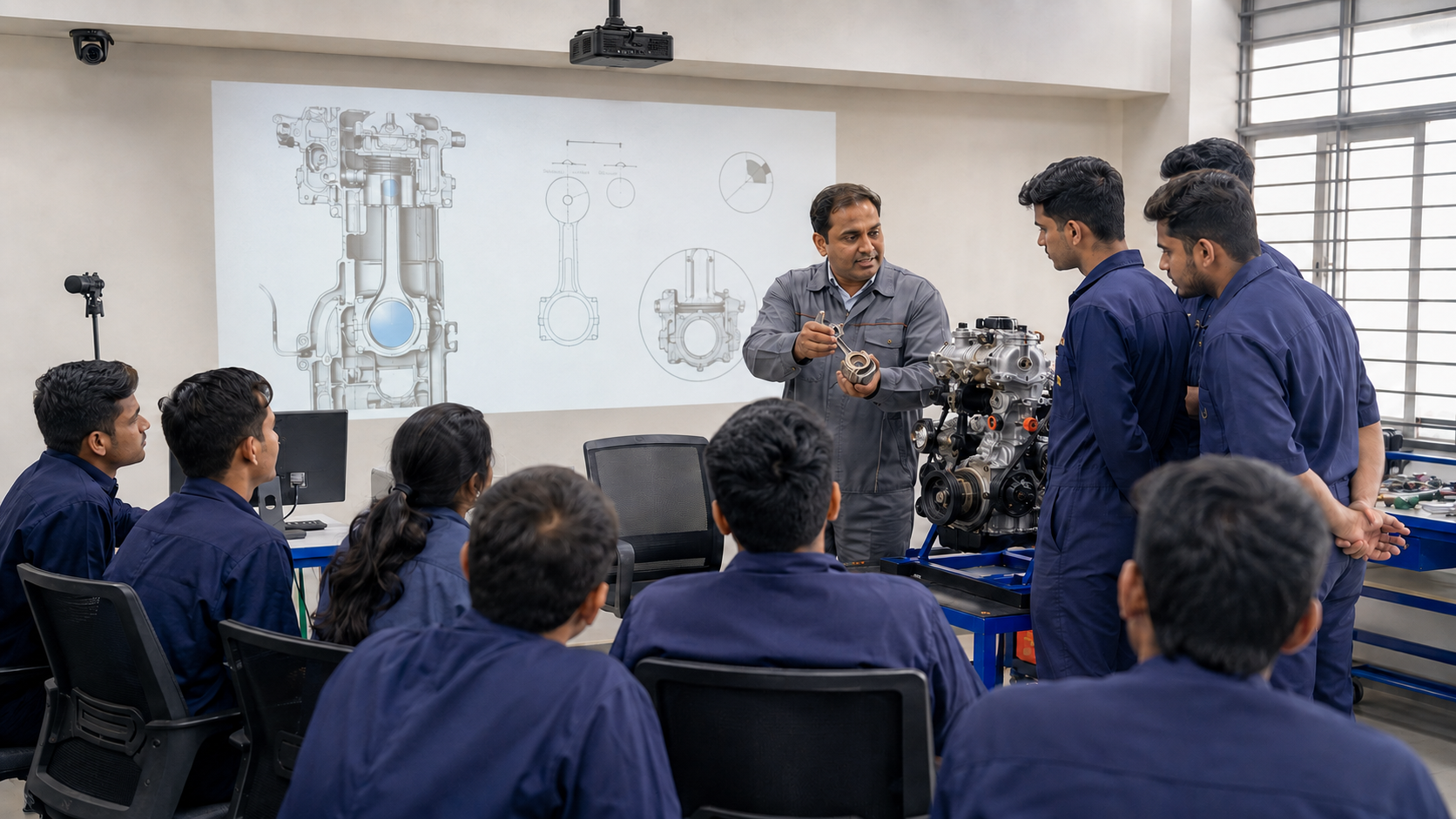
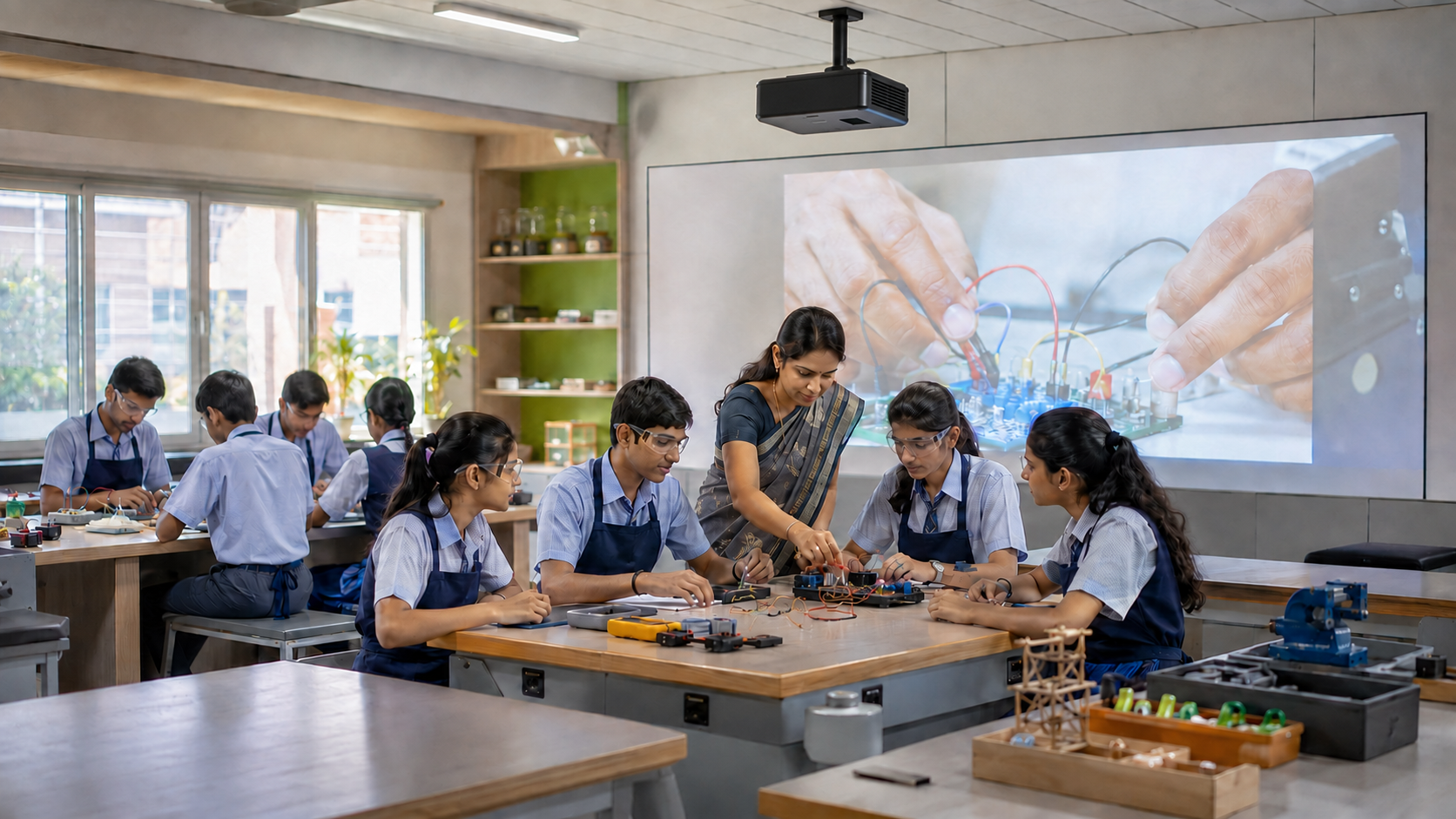
In a smart classroom, this isn't just about software. It's about how that software talks to the smart classroom equipment. When the digital and physical environments are in sync, teaching feels effortless. When they aren't, even a simple task like showing a video can become a technical nightmare.
Before the Class: Setting the Stage
Lesson Planning and Content Preparation:
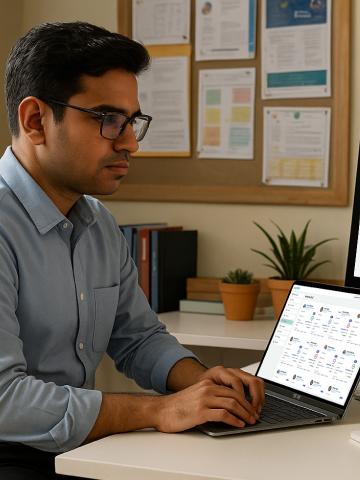
A teacher’s work starts long before the students arrive. In a modern digital classroom, the learning management system acts as a central vault. Teachers can upload presentations, reading lists, and videos, building a structured library that grows more valuable every year. No more carrying multiple pen drives or worrying about lost printouts. everything is ready to go with one click.
Organizing Classes and Users:
In the Indian context, managing multiple sections and shared faculty can be a logistical headache. The pre-class workflow involves mapping the right students to the right subjects. A robust LMS ensures that when a teacher walks in, their schedule is accurate and their digital environment is already customized for that specific batch.
Classroom Readiness and Equipment Checks:
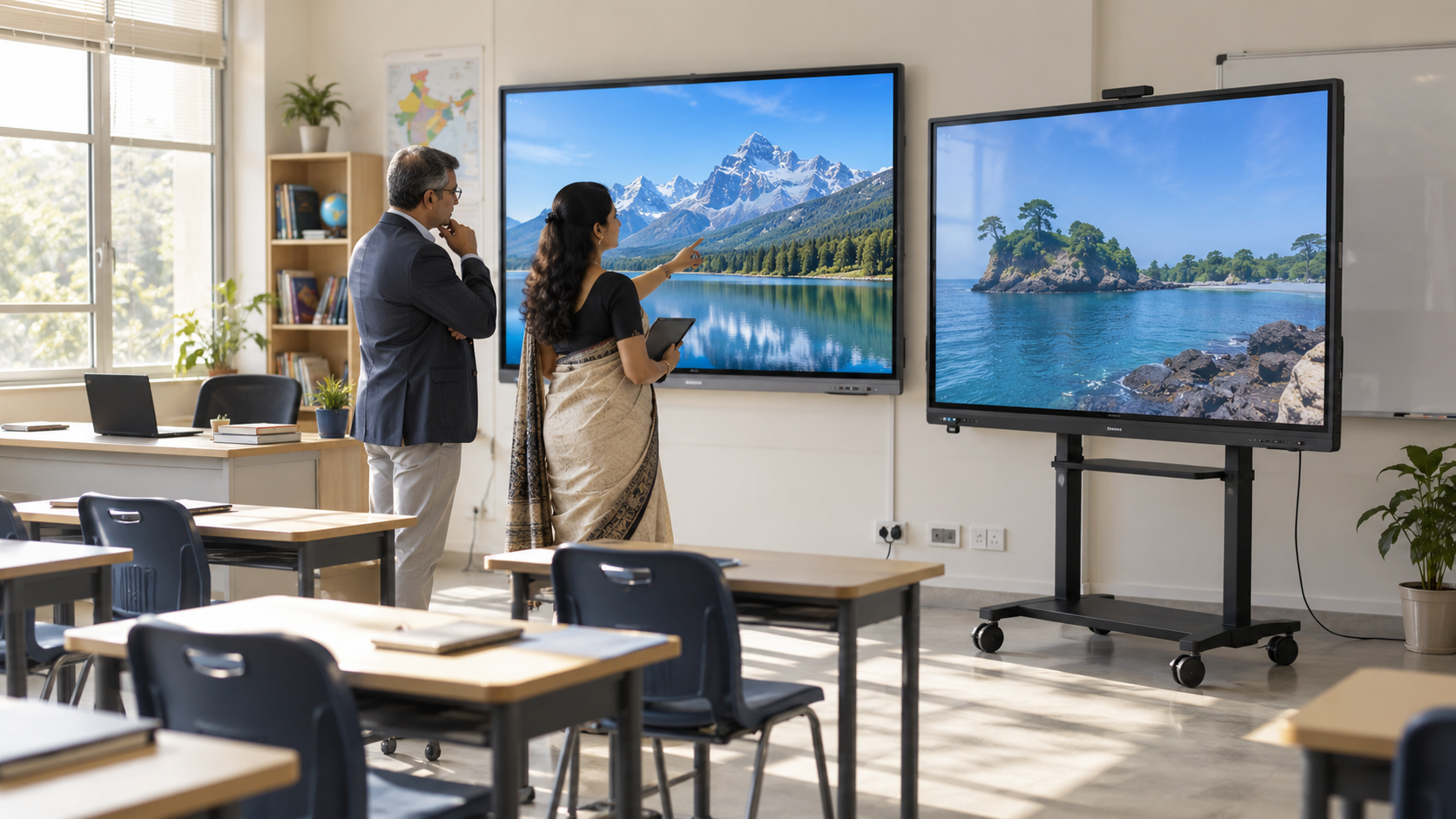
Even the best lesson plan fails if the hardware isn't cooperating. This is where smart classroom equipment plays a silent but vital role. Is the display crisp? Is the audio reaching the back row? Is the internet stable? A successful workflow includes a quick check to ensure the tech is an ally, not an obstacle.
During the Class: The Heart of Instruction
Attendance and Session Records:
Once the session kicks off, the learning management system handles the "housekeeping." Whether attendance is marked manually or assisted by the system, having that data flow directly into a secure database saves hours of manual entry later. This data becomes a vital trail for parent communication and institutional audits.
Teaching and Student Engagement:
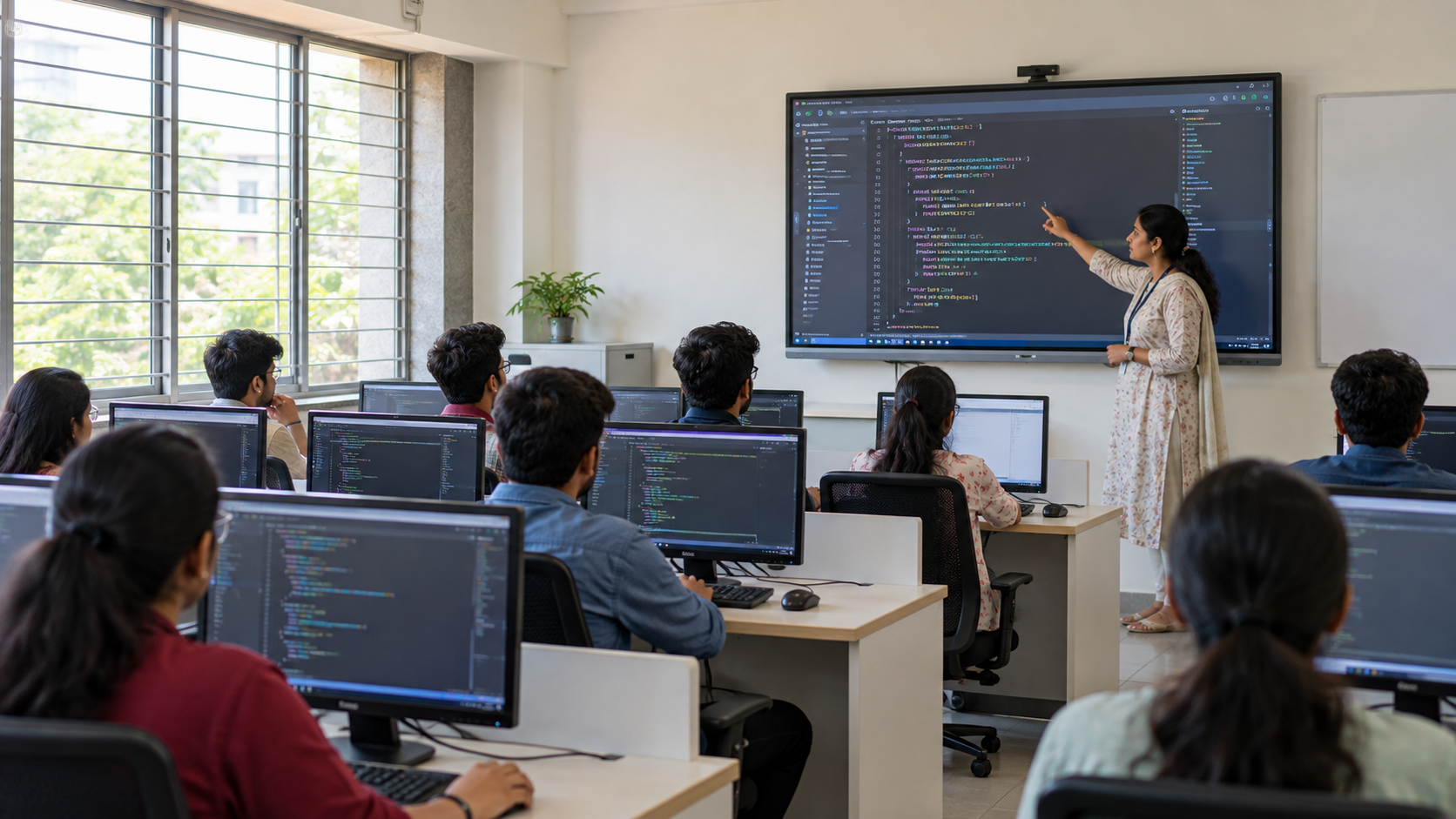
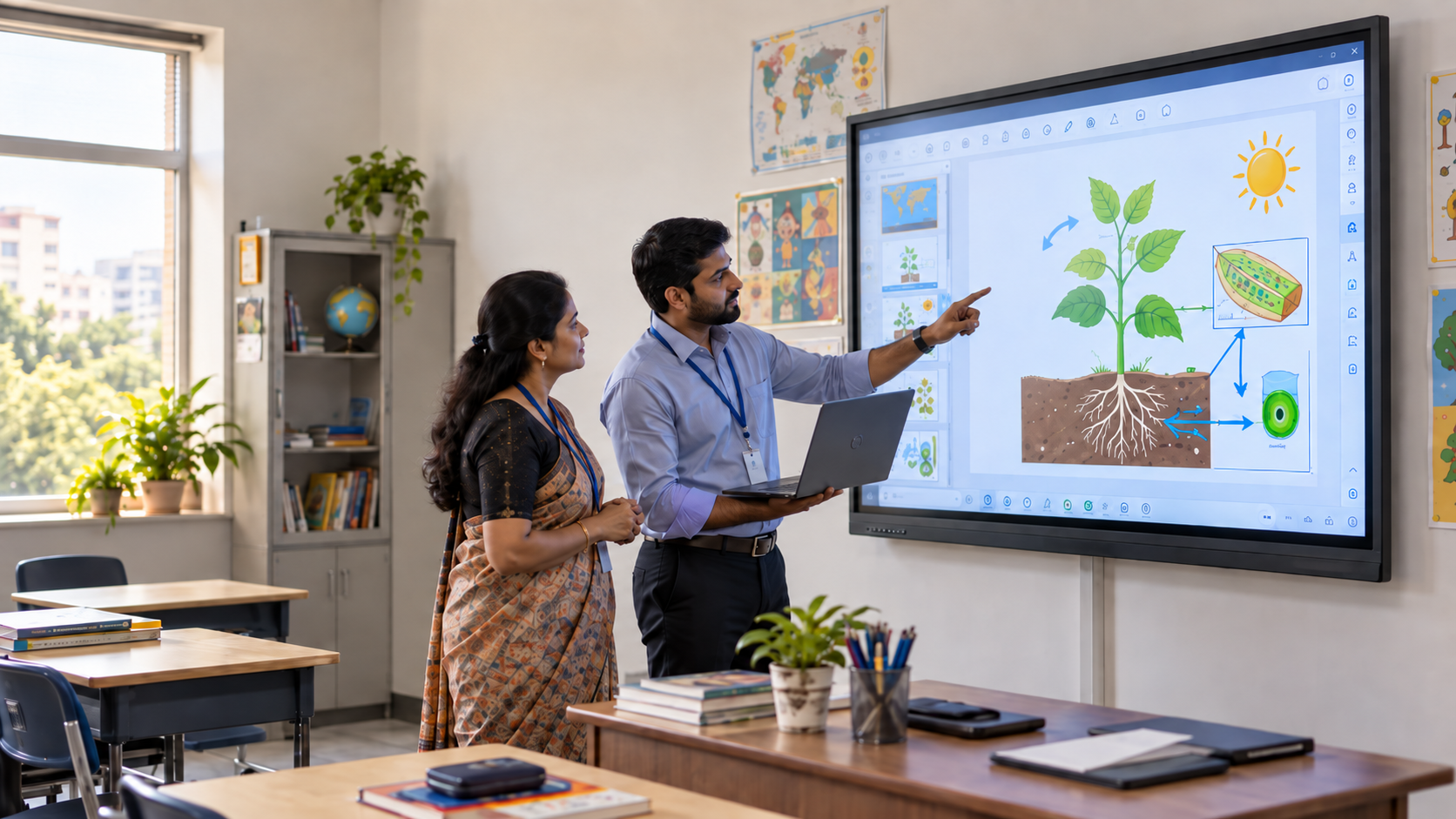
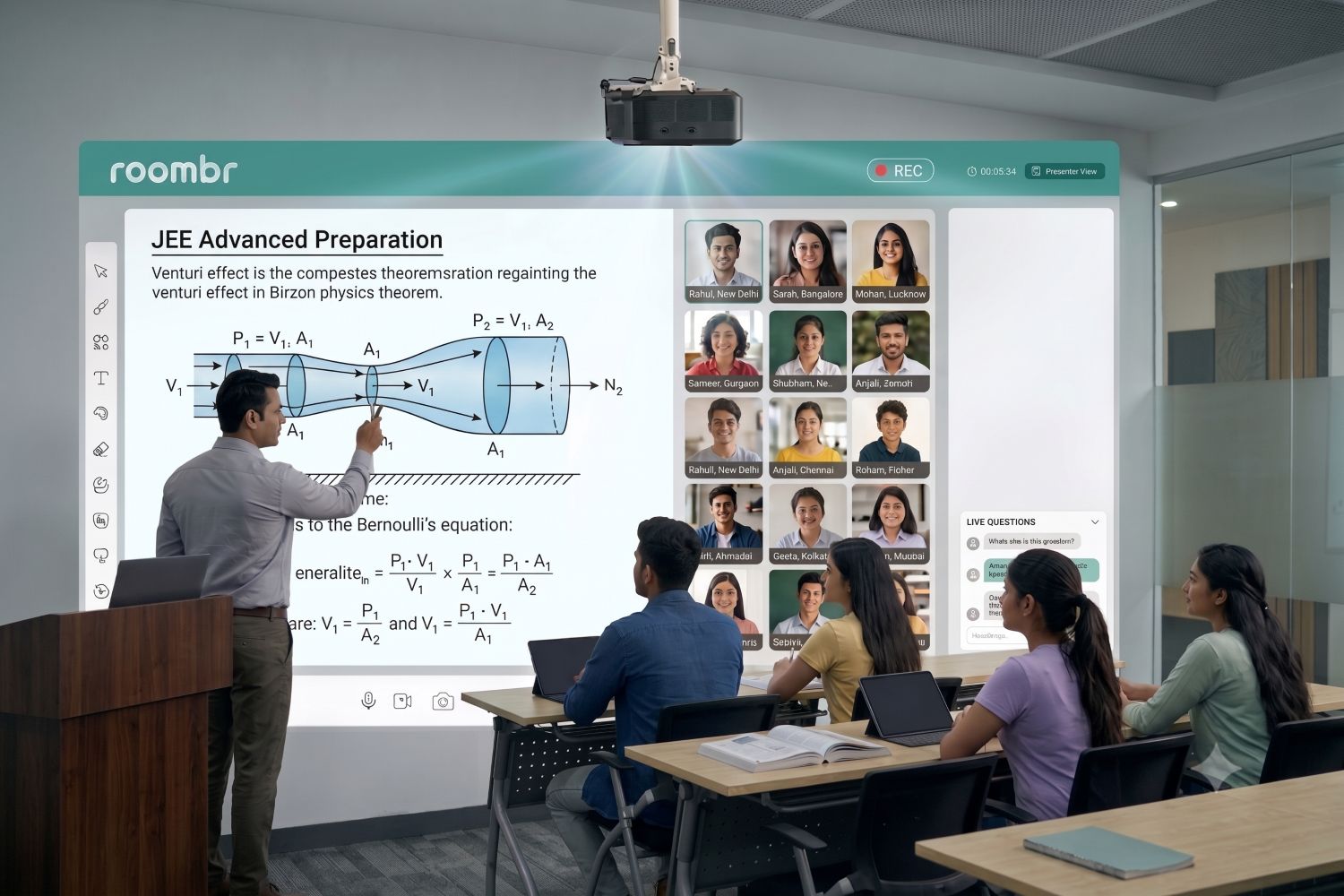
During the live session, the tech should fade into the background. The teacher should be able to pull up content, run a quick poll to check for understanding, or annotate a diagram without breaking eye contact with the class. In a smart classroom, the workflow is about augmenting the human connection, not replacing it.
Hybrid and Remote Learning Support:
Today's reality often involves "phygital" setups—some students are in the room, while others join from home. A unified workflow ensures that a student sitting in the back row and a student logging in from a different city receive the same materials and updates simultaneously.
After the Class: Closing the Loop
Assignments and Practice Work:
Learning shouldn't hit a wall the moment the bell rings. After class, the learning management system becomes the primary channel for homework and practice modules. Digital submission means no more "the dog ate my homework" excuses and, more importantly, no more heavy stacks of paper for the teacher to carry home.
Feedback and Evaluation:
This is where the real growth happens. Teachers can provide private, targeted feedback, comments, marks, or voice notes, that students can revisit whenever they study. Timely feedback is the most effective way to correct a misunderstanding before it becomes a habit.
Reports and Academic Insights:
Over weeks and months, the learning management system silently gathers data. It notices that a particular student’s attendance is dipping or that half the class struggled with a specific assignment. For academic leaders, these insights are gold, allowing for proactive interventions rather than reactive firefighting.
Who Uses the LMS and How
Teachers
Teachers are the most frequent users of the LMS. When workflows are simple and supported by classroom tools, they are more likely to use the system daily instead of occasionally.
Students
For students, the LMS becomes a central learning space. Lessons, assignments, feedback, and announcements are all available in one place, reducing confusion and dependency on multiple channels.
Administrators and Academic Leaders
Administrators use the LMS to monitor usage, review reports, and maintain consistency across departments. A clear workflow helps them guide teachers effectively and seamlessly.
Common Workflow Challenges in Indian Institutions
Transitioning to a modern digital classroom isn't without its bumps. We often see "feature fatigue," where teachers feel overwhelmed by too many buttons. Other times, the smart classroom equipment is disconnected from the software, leading to "tech-stress."
The biggest hurdle, however, is often a lack of workflow-based training. If you only teach a person how to click buttons but not how those buttons fit into their 10:00 AM lecture, they won't see the value.
Why Flexibility Makes LMS Workflows Sustainable
Institutions differ widely in size, resources, and digital maturity. Some already use an LMS, while others are just starting. A rigid system creates resistance, while flexible workflows allow gradual adoption.
Every institution has its own culture. A learning management system must be flexible enough to adapt to a veteran teacher’s style while providing the structure a new hire needs. It should feel like a custom-fit suit.
Final Thoughts
A learning management system is only as good as the life it supports. By focusing on the workflow, the "before, during, and after,” educators can transform their institutions into high-performing digital hubs. When the software, the smart classroom equipment, and the people move in the same direction, the result isn't just "digital teaching", it's better learning.
Whether you are looking for a powerful built-in system or want to enhance your current setup, Roombr provides a cutting-edge, all-in-one digital classroom solution. It includes its own LMS while fitting seamlessly into your existing platform. Learn more today!

Foziya Abuwala
Share
Step Into the future of
Education with Roombr