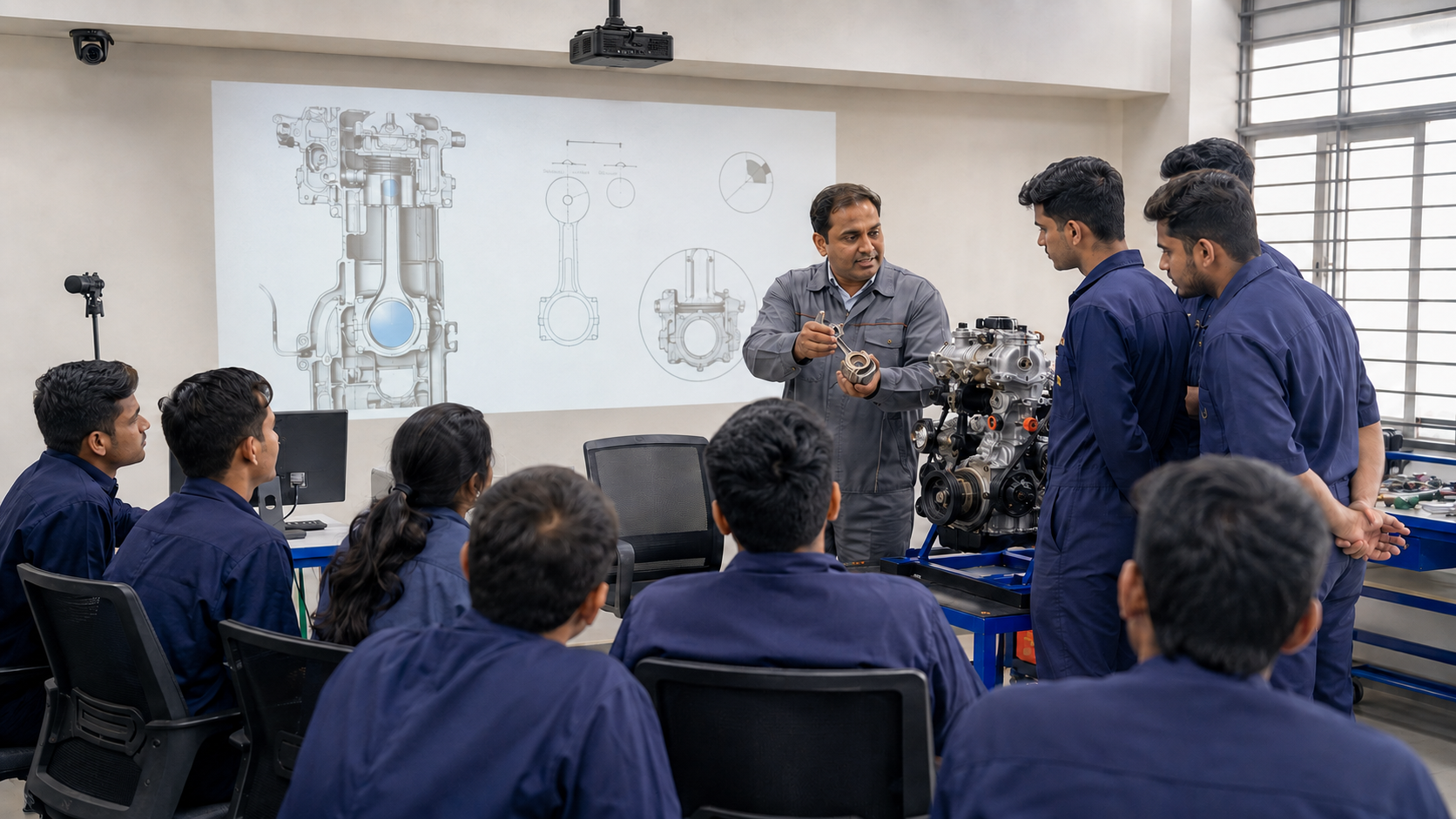


If you walk into a standard Grade 9 classroom anywhere in the country, you are likely to see thirty to forty students sitting in rows, facing a single teacher who is delivering a lesson.
But if you could see inside the minds of those students, the uniformity would vanish.
Three distinct students might be sitting in the front row. The first one mastered the concept ten minutes ago and is currently fighting the urge to zone out. The second one is engaged but needs a visual diagram to truly grasp the abstract idea being discussed. The third one missed the foundational lesson last week due to illness and is currently drowning in confusion, too embarrassed to raise their hand.
For decades, educators have faced an impossible challenge: How do you teach to the individual when you are managing the crowd?
This is where the conversation around personalized learning shifts from a buzzword to a necessity. It isn't about replacing the teacher with a computer. It is about using the digital classroom to give the teacher the superpowers they need to meet every student exactly where they are.
What Is Personalized Learning?
In the educational sector, we often confuse "differentiation" with "personalization." While they are cousins, they aren't twins. Differentiation is when a teacher adjusts their instruction for a group. Personalized learning goes a step further, it puts the learner in the driver’s seat.
Think of the traditional model as a train. Everyone gets on at the same station, travels at the same speed, and gets off at the same destination, regardless of whether they wanted to linger at the previous stop or rush to the next.
Personalized learning is more like a GPS-guided road trip. The destination (the learning goal) remains the same for everyone. However, the route, the speed, and the vehicle might change based on the driver.
In a practical setting, this means tailoring the learning environment—the what, when, where, and how—to the individual needs, skills, and interests of each student. It moves away from the "time-based" system (where you move on because it’s Tuesday) to a "mastery-based" system (where you move on because you understand the material).
Why the "Average Student" Doesn't Exist
The shift toward personalized learning is gaining massive traction because the myth of the "average student" has finally been busted.
Educational research has shown us that if you design a classroom for the "average," you essentially design it for no one. Every student has a unique mix of strengths and weaknesses. A child might be brilliant at understanding what they read, yet struggle to hold that information in their memory.
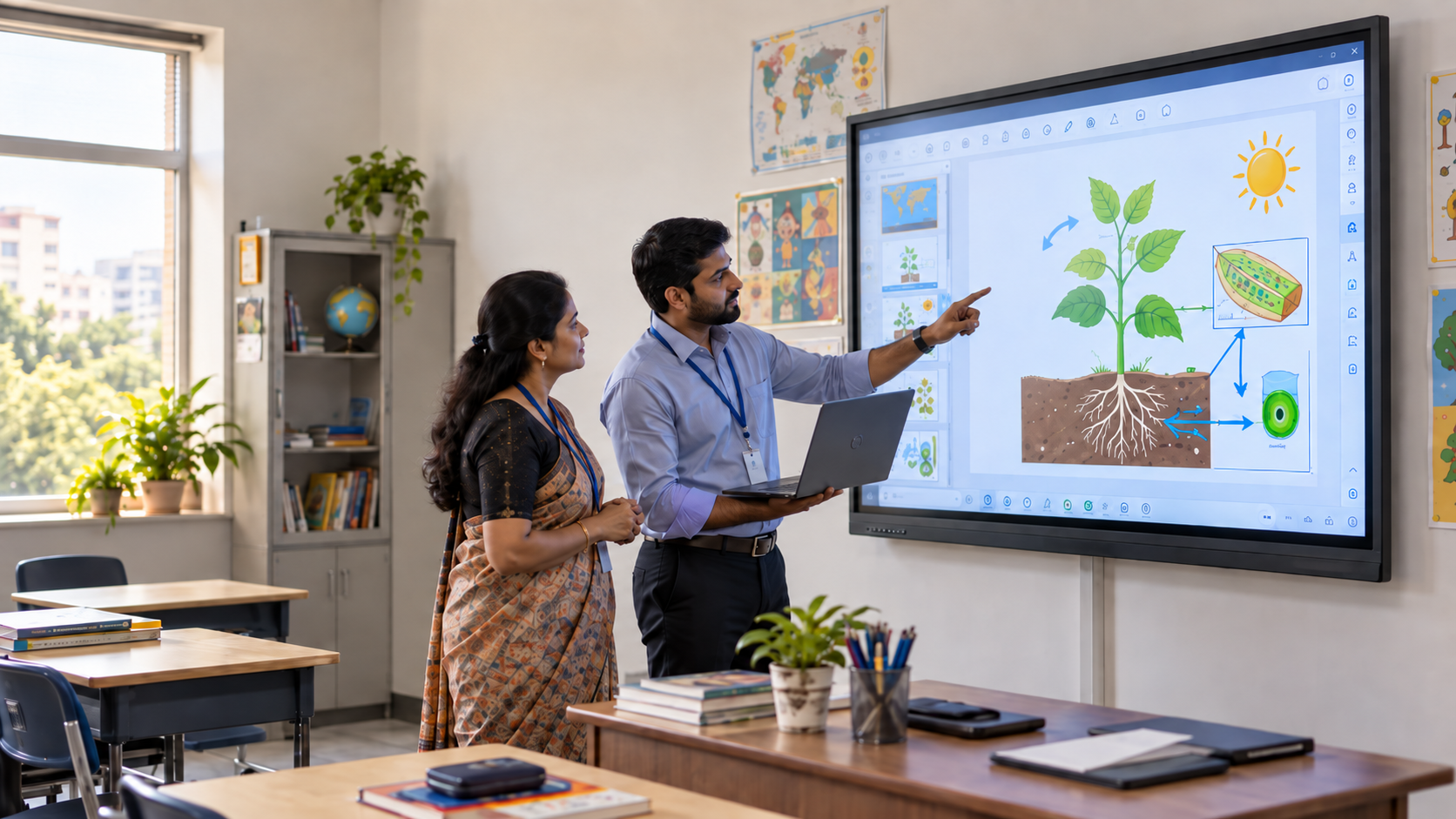
In a traditional setup, this student falls through the cracks. In a classroom equipped with smart classroom solutions, this student thrives. By using audio-visual aids on an interactive board, students can support their memory and simultaneously advance through challenging reading content.
The Personalized Learning Benefits for Students

When we implement personalized learning effectively, the atmosphere of the classroom changes. It shifts from passive compliance to active inquiry. Here is how that benefits the student directly:
1. Fostering Student Agency
The biggest complaint from secondary students is often, "Why do I have to learn this?" Personalized learning addresses this by making the curriculum relevant to what interests the student. When a student has a choice, perhaps choosing between writing an essay, creating a digital presentation, or building a model to demonstrate understanding, they take ownership. This sense of agency is the strongest predictor of long-term academic motivation.
2. Reducing Anxiety and Stigma
In a rigid classroom, falling behind is public and shameful. In a personalized environment supported by a Learning Management System (LMS), progress is private and adjustable. If a student needs to re-watch a lecture or re-take a practice module, they can do so without the entire class knowing. This psychological safety allows students to take risks and make mistakes, which is where deep learning actually happens.
3. Catering to Multimodal Learning
We know that relying solely on textbooks is archaic. Personalized learning thrives on variety.
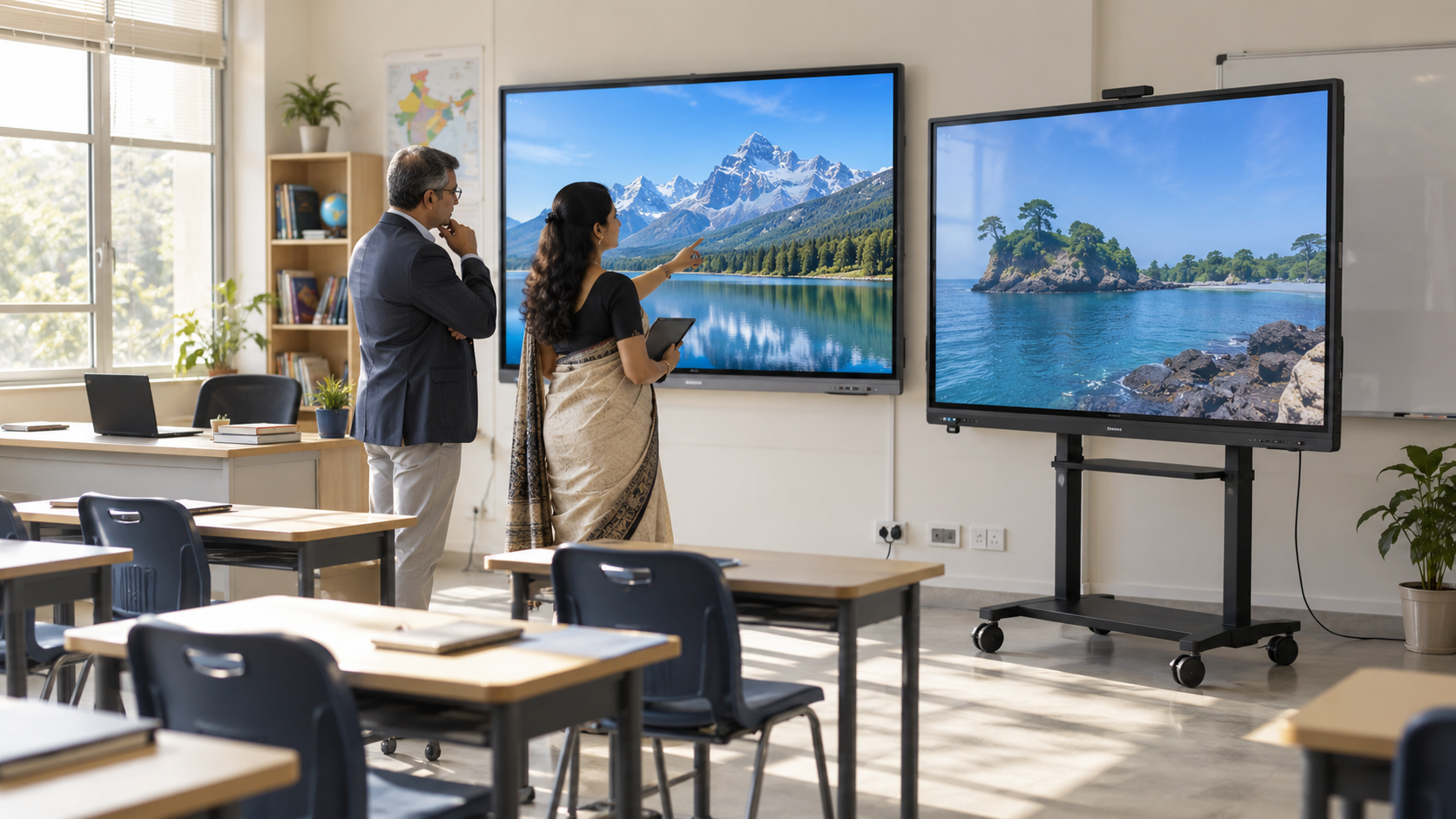
- For the Visual Learner: Complex 3D models of human anatomy displayed on a high resolution interactive board make the abstract tangible.
- For the Solitary Learner: Digital modules allow for deep focus without distraction.
- For the Social Learner: Collaborative digital workspaces allow peer-to-peer teaching.
How Personalized Learning Drives Success
Success in education shouldn't be a surprise revealed at the end of the term. It should be a continuous journey. Personalized learning helps students achieve their potential by tightening the feedback loop.
From Reactive Grading to Real-Time Support
In the old model, a test autopsy happens after the unit is over. “Fractions assessment failed, and with no time to circle back, the class progresses to the decimal unit."
In a modern digital classroom, technology acts as an early warning system. As students interact with smart classroom solutions, the system gathers data. If a student answers three questions incorrectly in a row, the teacher is alerted immediately. Intervention happens in the moment, not three weeks later. This prevents the accumulation of learning gaps that eventually lead to students dropping out mentally.
Mastery-Based Progression
Perhaps the most significant benefit is the shift to mastery. In a personalized setting, a student doesn't get a 'C' and move on with a shaky foundation. They stay on the concept, approaching it from different angles, videos, gamified practice, peer tutoring, until they master it. This ensures that when they do move forward, they are standing on solid ground.
Why It Matters in Today’s Classrooms
Let’s be realistic about the challenges educators face. Asking a teacher to create 30 unique lesson plans every day is a recipe for burnout. This is why personalized learning was difficult to scale in the past.
However, today’s technology has changed the equation.
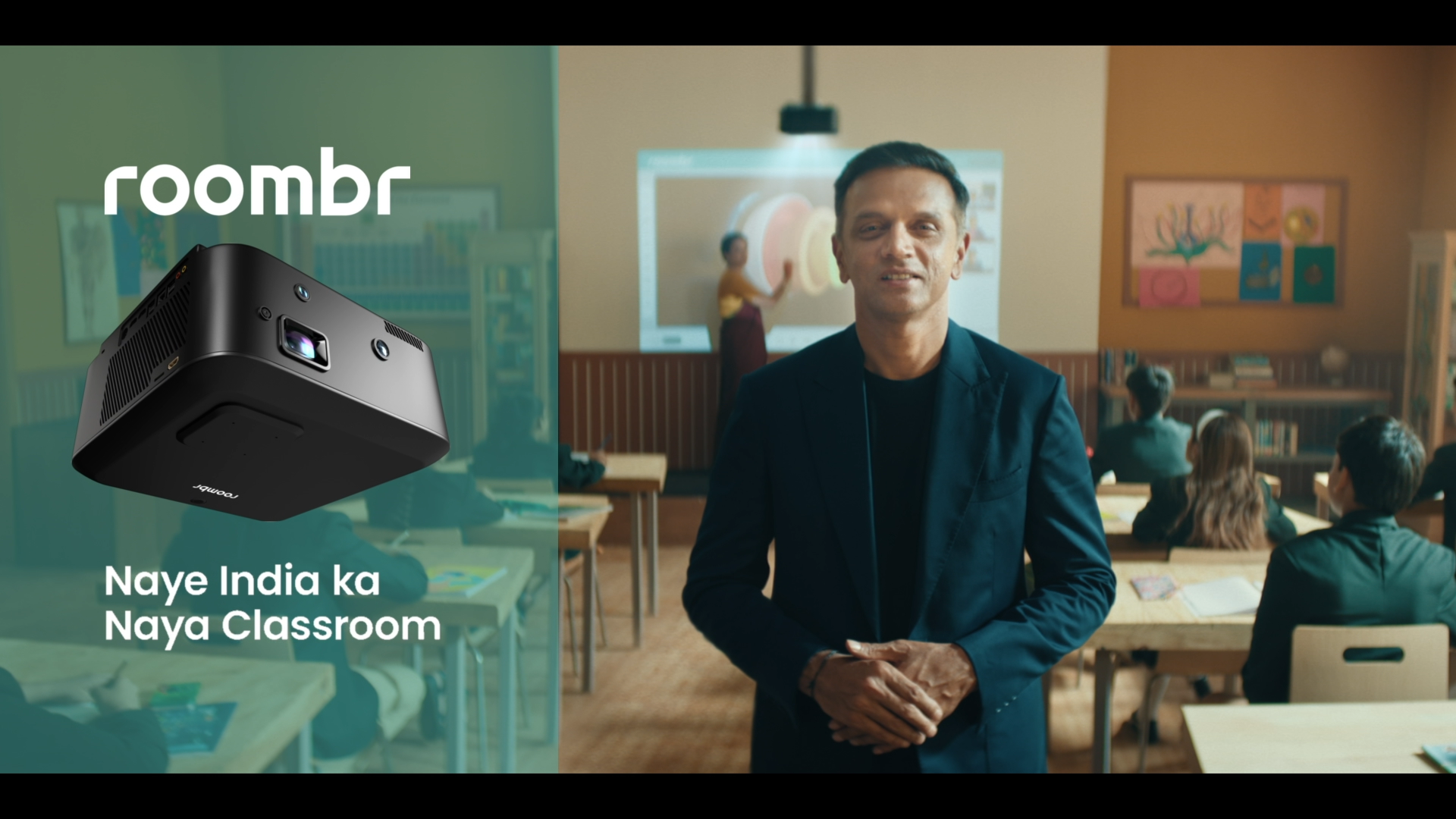
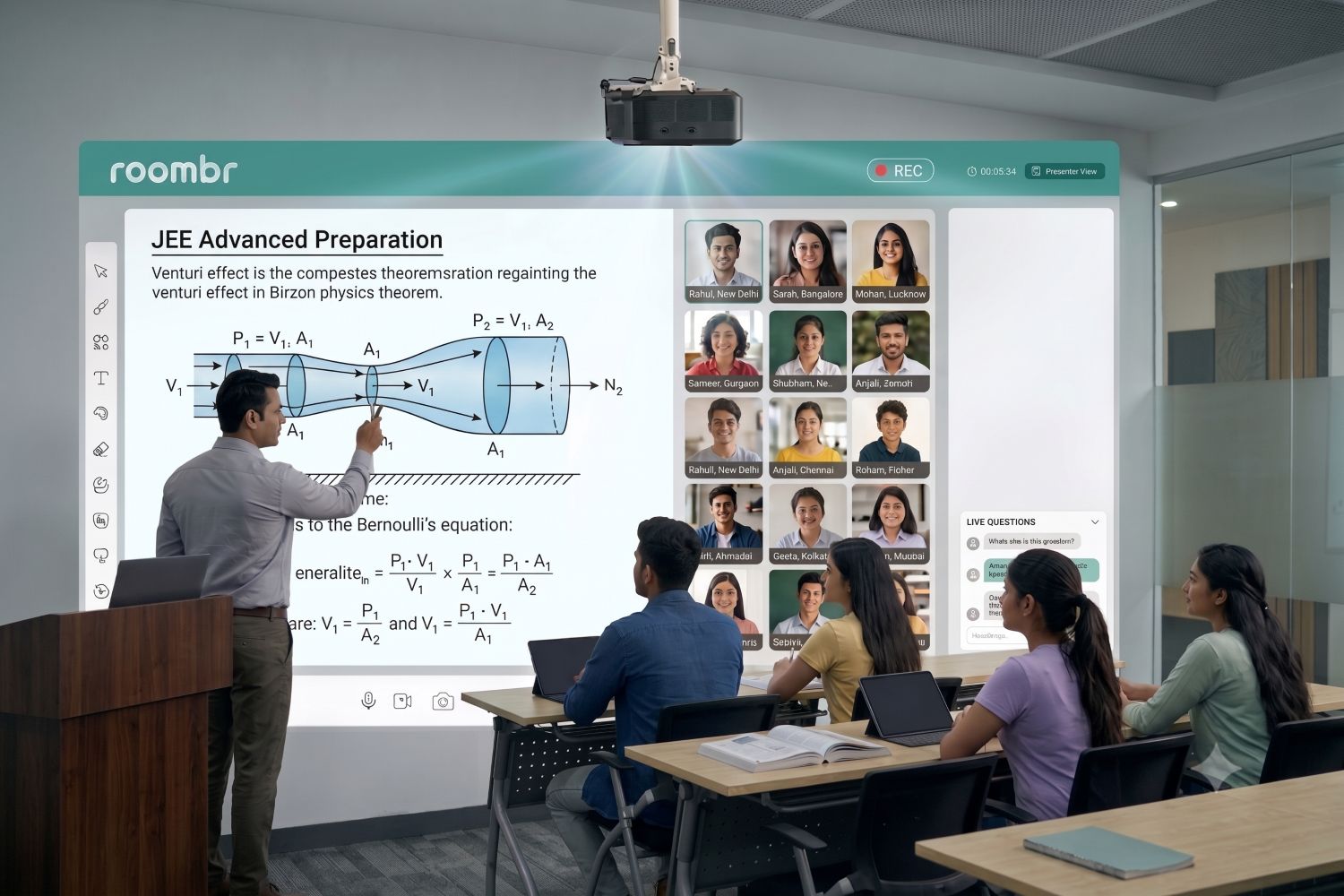
Smart classroom solutions like Roombr are designed to offload the heavy lifting. When you have an ecosystem that integrates a powerful PC, an immersive interactive board, and a robust LMS, the technology handles the delivery and the data tracking.
This frees the teacher to do what they do best: mentor.
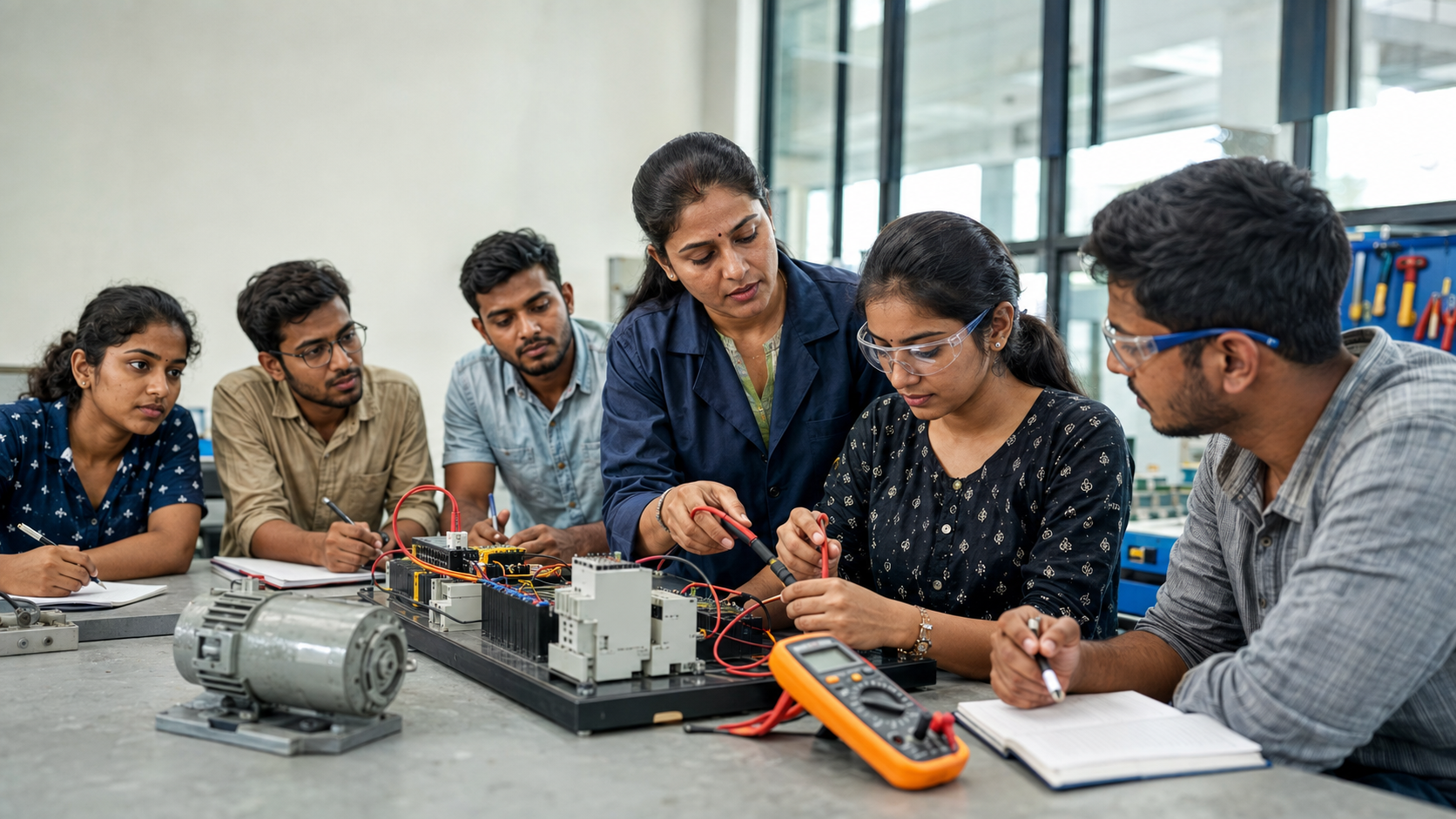
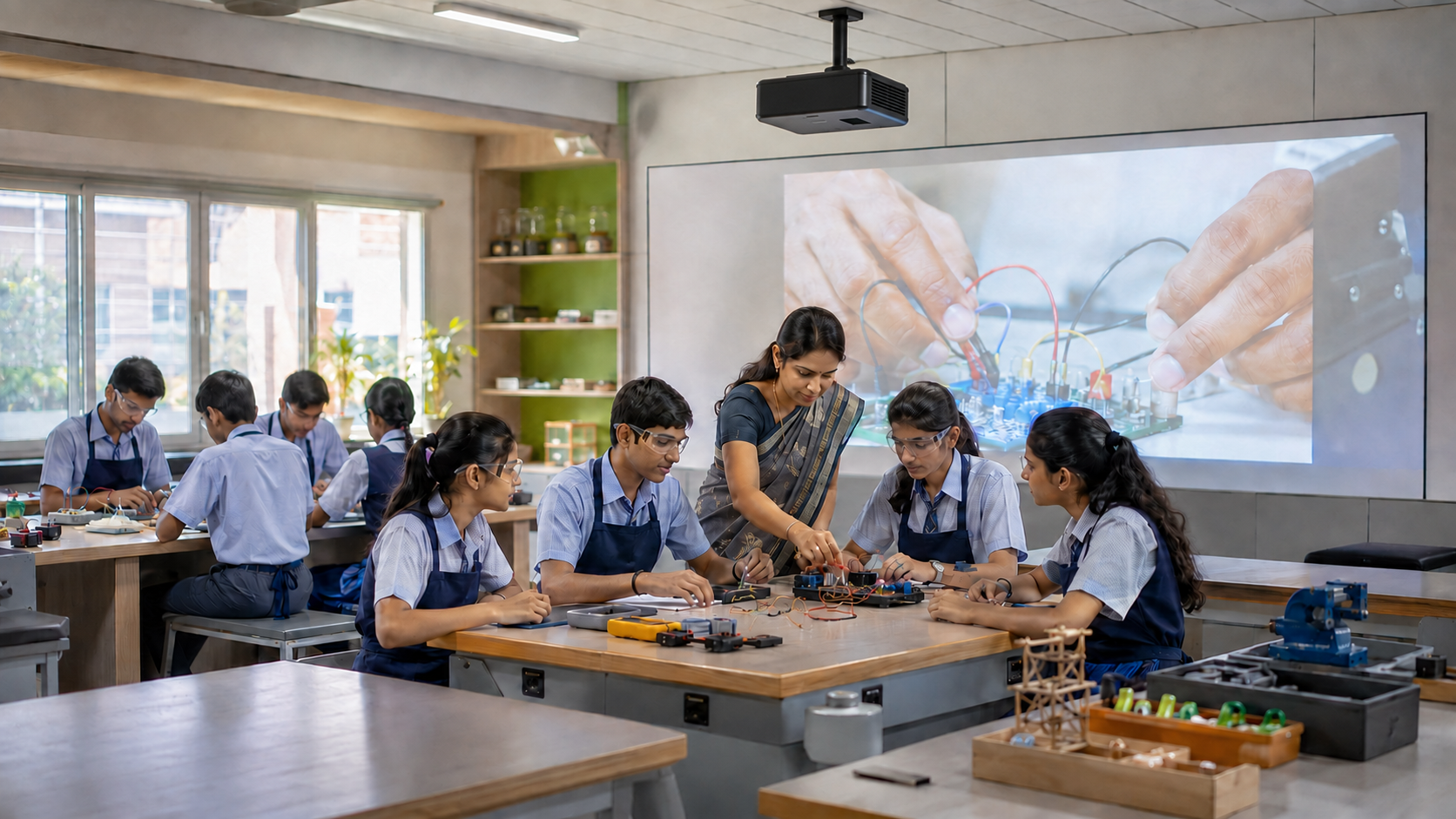
Instead of spending 45 minutes lecturing to the backs of heads, the teacher can circulate. They can spend five minutes with the student struggling with algebra, while the advanced group collaborates on the interactive display, and the rest of the class works through their personalized playlists on their devices.
In large, diverse classrooms, technology makes the human connection possible. It ensures that no student is invisible.
The Roombr Approach
At Roombr, we believe that personalized learning is not about isolating students behind screens. It is about creating a dynamic, communal learning space.
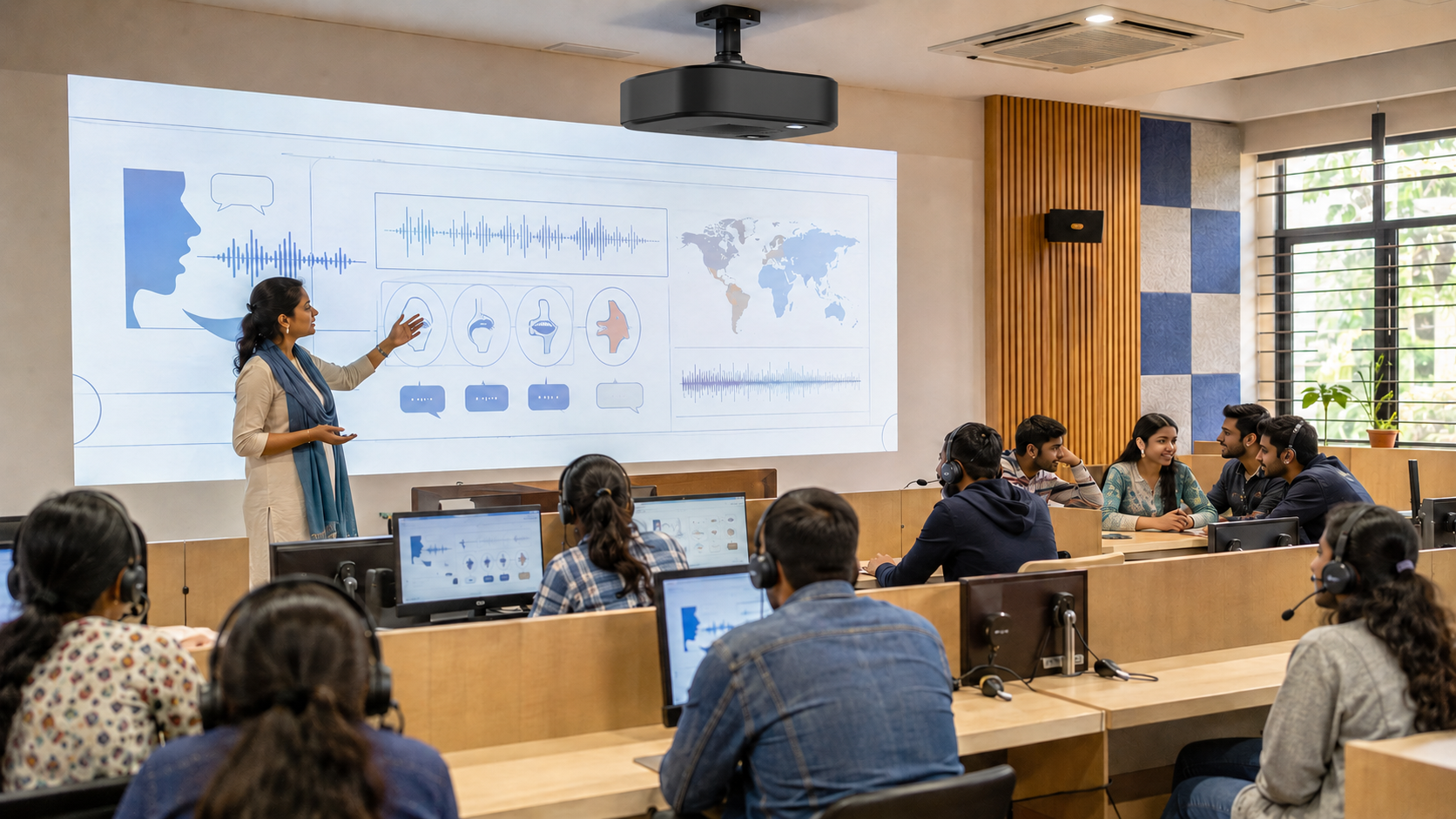
We have engineered our smart classroom solutions to be the hub of this experience. By transforming walls into massive interactive surfaces and integrating them with seamless computing, we provide the canvas for personalized learning to happen at scale. Whether it is a teacher pulling up a specific resource for a curious student or a class collaborating on a digital project, our tools ensure that the technology adapts to the pedagogy, not the other way around.
Personalized learning is the bridge between a student’s potential and their performance. It acknowledges that education is a human endeavor, and every human is unique.
Discover Roombr and find out how our education technology is making personalized, dynamic learning possible in classrooms like yours.

Foziya Abuwala
Share
Step Into the future of
Education with Roombr