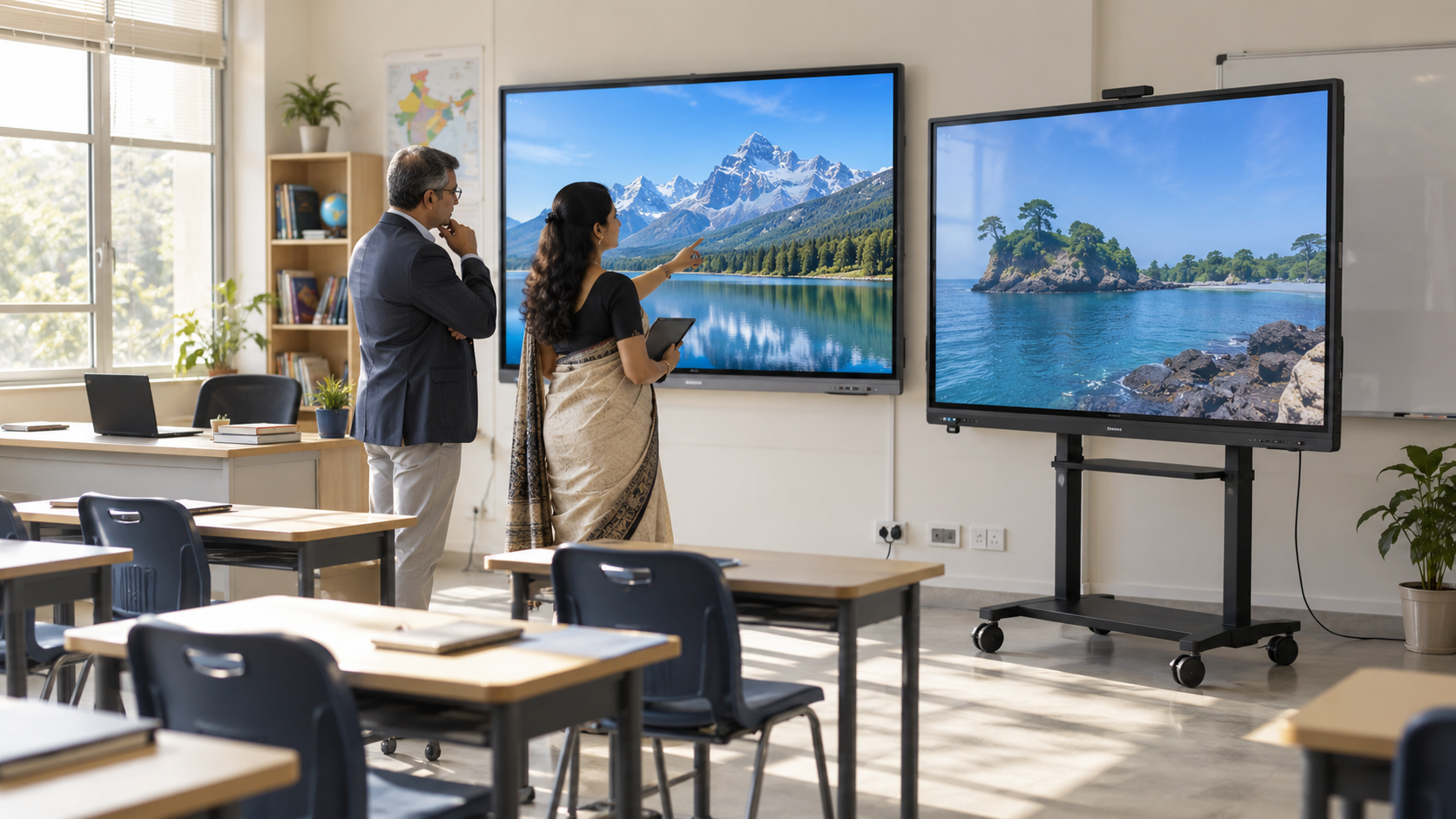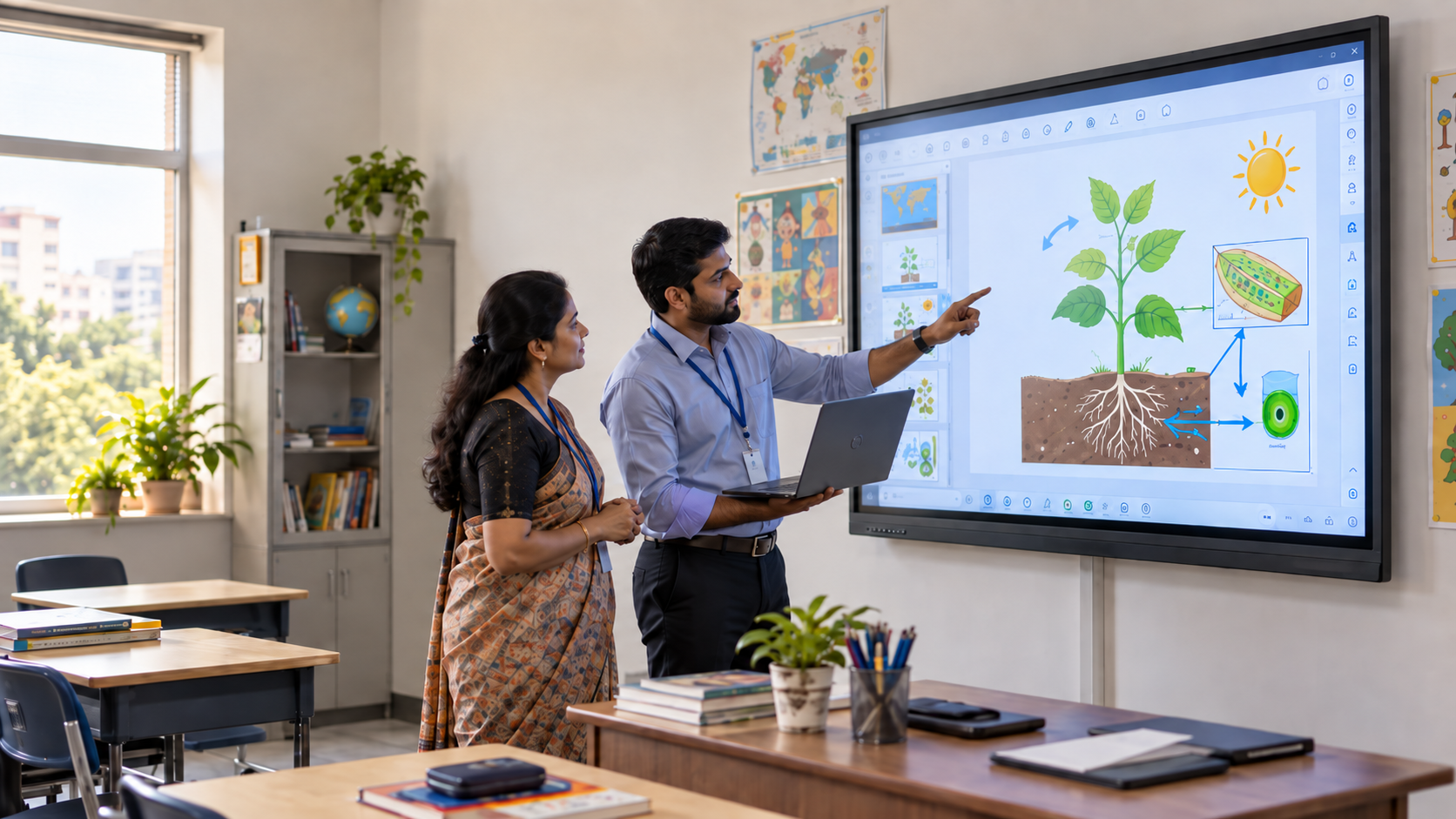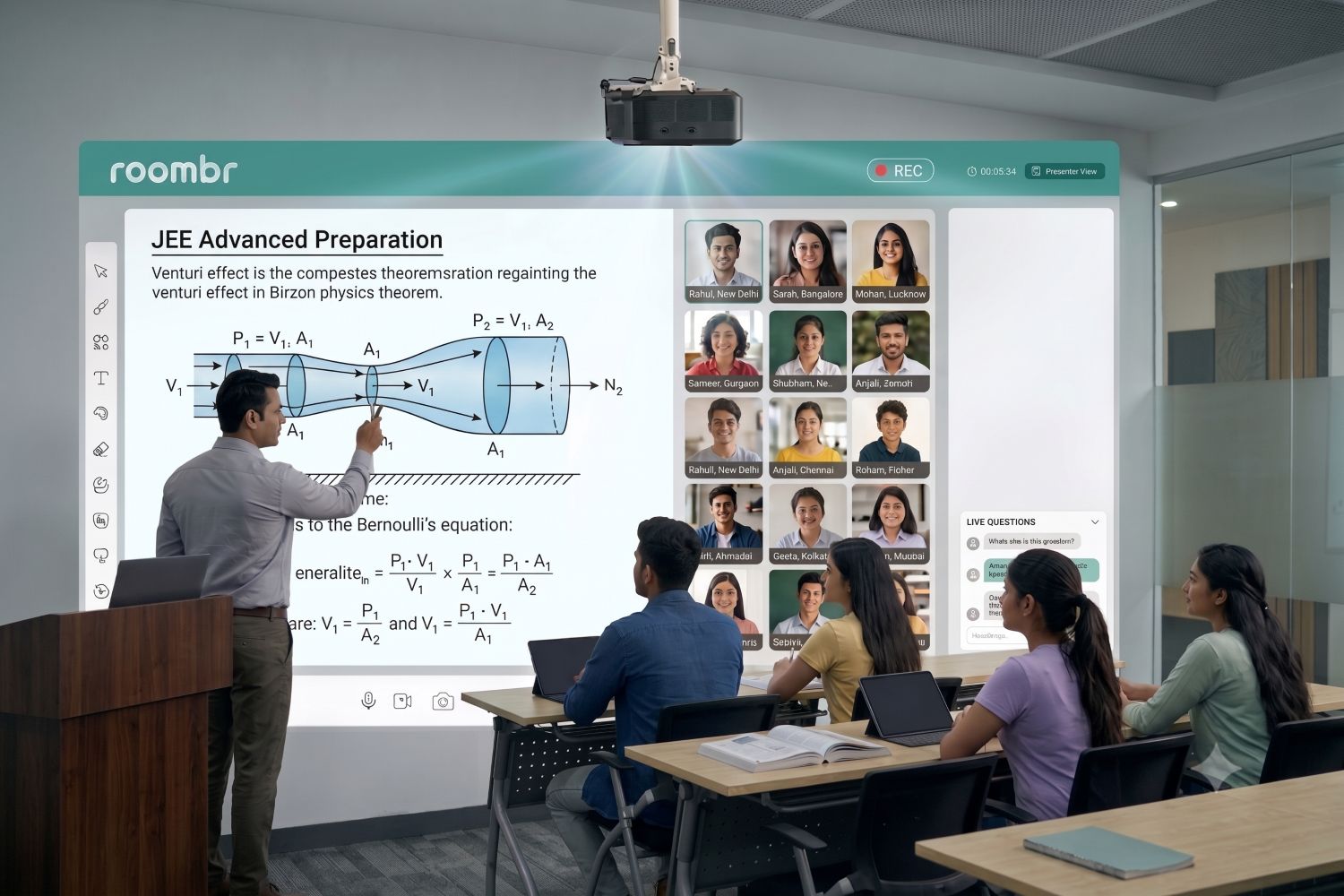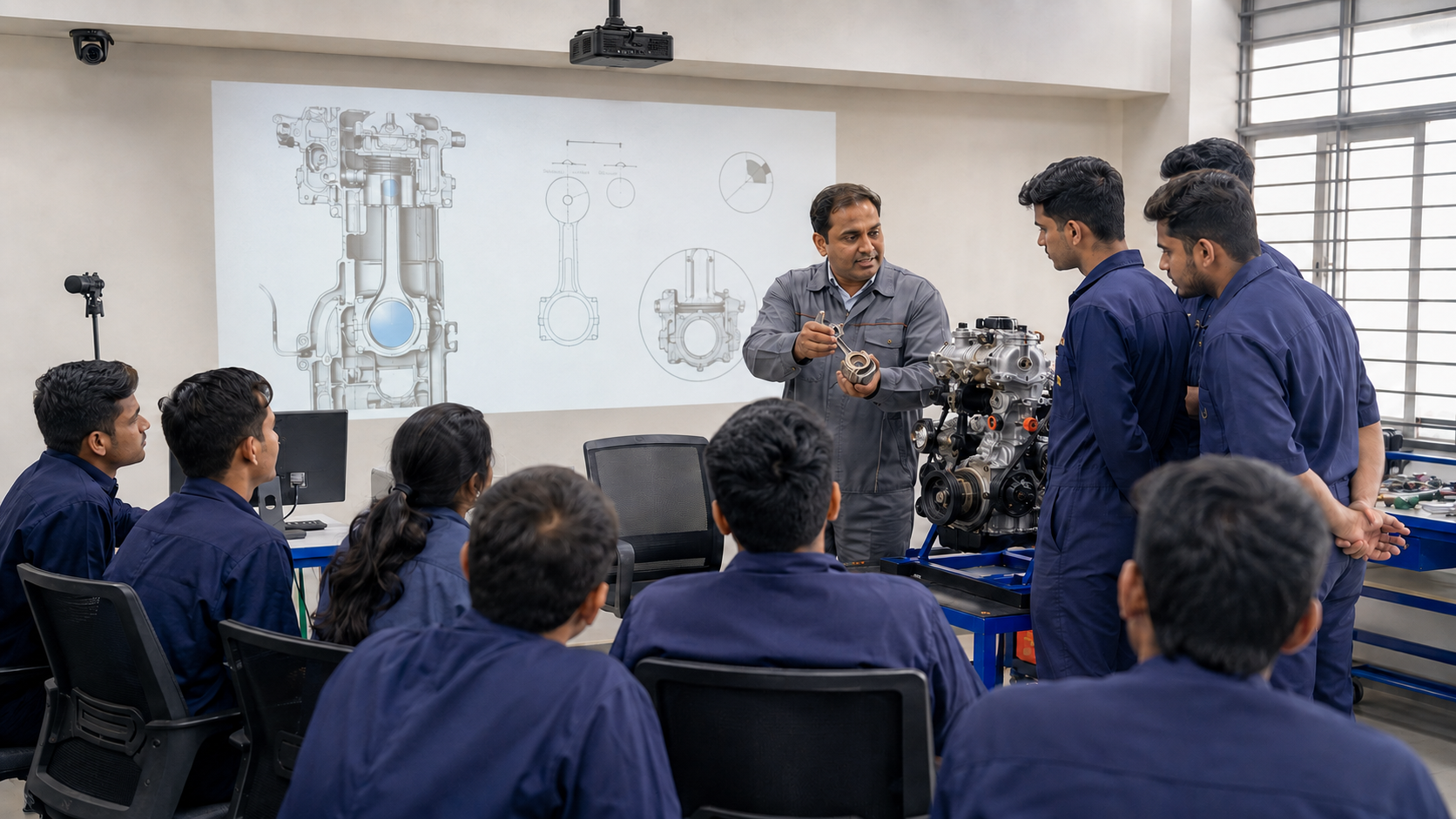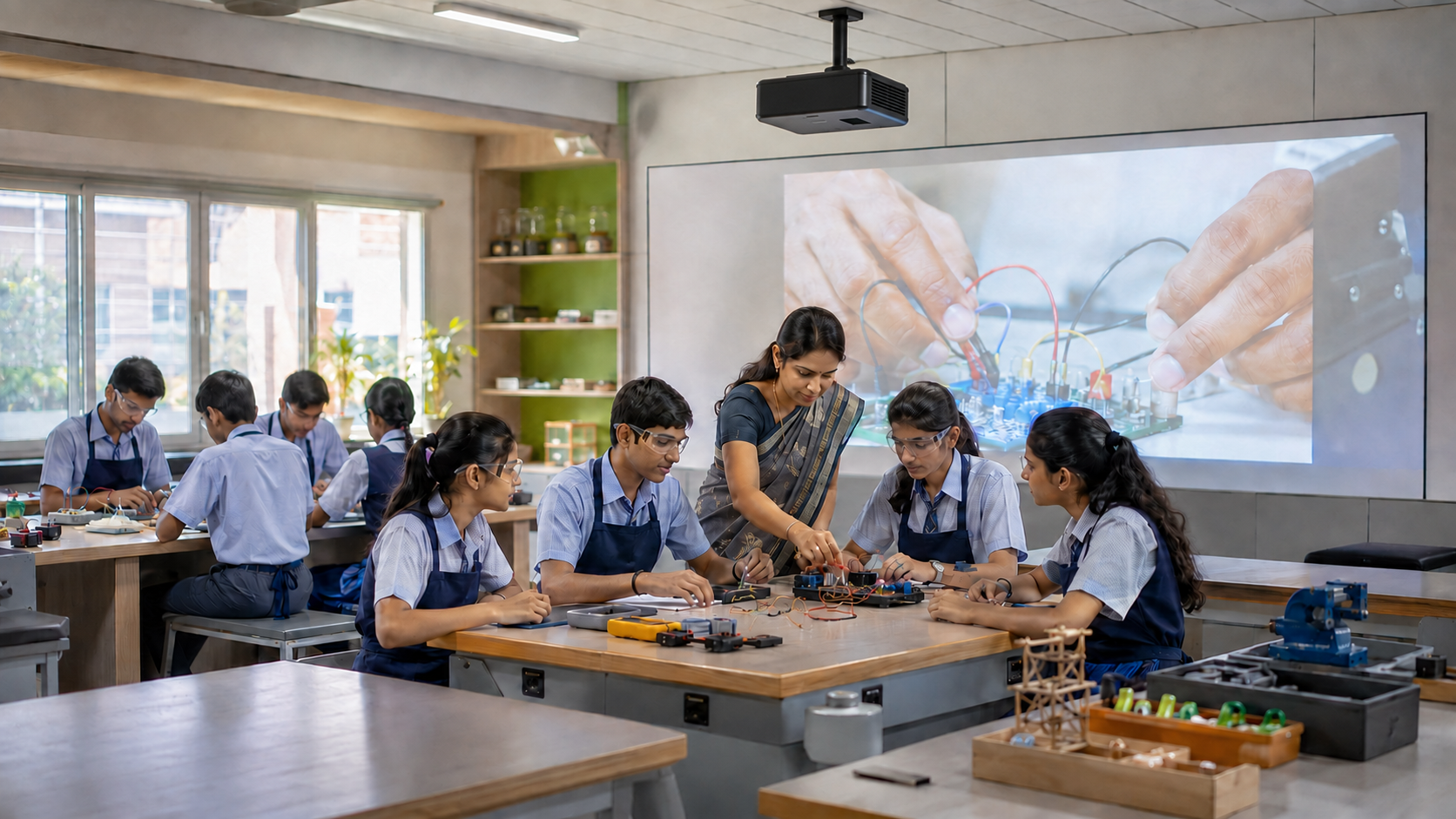


The traditional Indian classroom is undergoing a radical metamorphosis. The familiar scent of chalk dust is being replaced by the sleek, high-definition glow of the digital smart classroom. At the heart of this revolution is the interactive display. A tool that is much more than just a replacement for the blackboard. It is a portal to the world.
For educators, the challenge isn’t just acquiring the technology. It’s maximizing its potential to keep students engaged in an age of short attention spans. Video content, when paired with an interactive whiteboard, transforms passive viewing into an active, multisensory learning experience.
As we move toward a more holistic approach to education, here are 15 highly effective, practical ways to use videos on your interactive panels for education to drive student success.
15 Ways to Use Videos for Learning with an Interactive Display
1. Use Video to Introduce New Topics
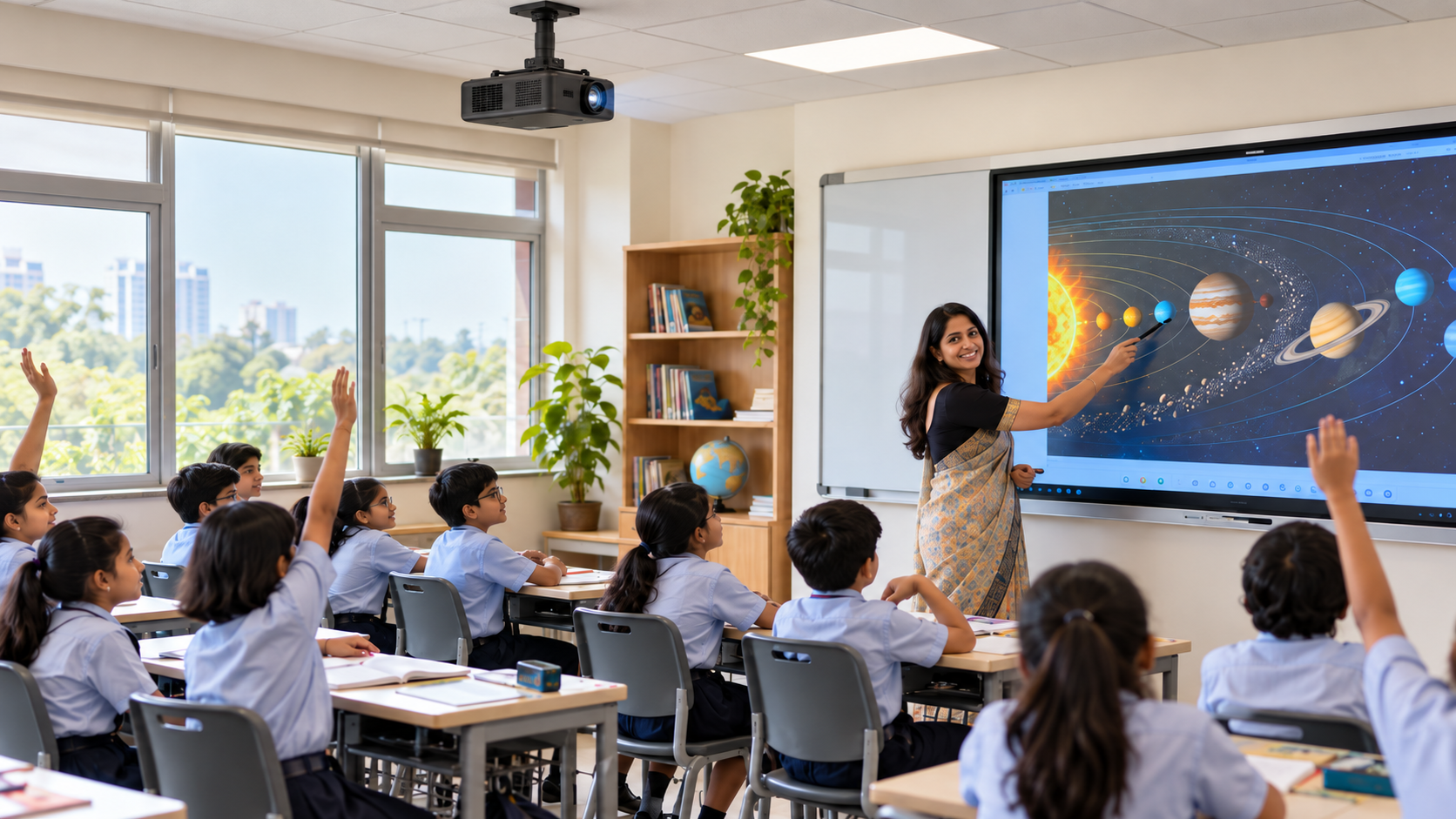
First impressions matter in pedagogy. Instead of starting a chapter on "The Solar System" with a textbook definition, use your digital board for teaching to play a high-definition 60-second cinematic trailer of the galaxy.
Pro Tip: Use the "Pause and Predict" method. Stop the video at a crucial moment and let students think about what happens next on the screen.
2. Video as Pre-Lesson Preparation (The Flipped Classroom)
The digital smart classroom thrives on the "Flipped Classroom" model. Share short instructional videos with students a day before the lecture. When they arrive in class, use the interactive display to revisit complex snippets of that video. This saves time on basic explanations and leaves more room for deep-dive discussions and hands-on activities.
3. Creating Variety in Learning Materials
Monotony is the enemy of retention. An interactive display allows you to toggle between different types of video content seamlessly:
- Documentaries for factual depth
- Animated explainers for abstract concepts
- Expert interviews for real-world context. Integrating these into a single lesson plan ensures that visual, auditory, and kinesthetic learners are all catered to
4. Videos for an Expanded Experience
Textbooks are often limited by their physical pages. A smart board for the classroom allows you to "expand" the lesson. If you are teaching a poem by Rabindranath Tagore, show a video of the geographical landscape of Shantiniketan. Seeing the environment that inspired the work provides a layer of context that text alone cannot convey.
5. Seamless Learning for Remote and Hybrid Students

In the modern Indian educational landscape, hybrid learning is a reality. High-quality interactive panels for education allow teachers to stream videos that are crystal clear for both in-person students and those joining via video conferencing. By using screen-sharing tools integrated into the display, remote students feel just as involved in the "video-watching" experience as those in the front row.
6. Integrate Videos for Social-Emotional Learning
Education isn't just about grades. It’s also about character. Use short, silent films or "social stories" on your digital board to spark discussions about empathy, bullying, or teamwork. Because the board is interactive, you can pause the frame and ask students to "circle the emotion" they see on a character’s face using the stylus.
7. Support Multilingual and Diverse Learners
In a linguistically diverse country like India, language can sometimes be a barrier. Videos with multi-language subtitles or sign language overlays on a large interactive display make lessons accessible. The visual cues in videos help English Language Learners (ELL) bridge the gap between a new word and its meaning.
8. Developing Cultural Awareness
Bring the world to the classroom. Use your interactive screen to stream cultural festivals, traditional dances, or daily life videos from different parts of the globe. This fosters a sense of global citizenship.
Practical Activity: Display a world map video and have students "tap" on a country to trigger a video about its local culture.
9. Real-Time Video Annotation for Deeper Analysis
Videos often move too fast for students to grasp intricate details. An interactive display solves this by allowing teachers to pause the footage and use digital ink to annotate directly over the frame. Whether you are circling a specific anatomical part in a biology clip or highlighting the architectural symmetry of a historical monument, "active marking" keeps students focused. This transformation of a moving image into a static, labeled diagram helps bridge the gap between observation and deep understanding.
10. Create Interactive Video Quizzes and Assessments
Stop treating videos as a "break time" for the teacher. Use platforms like Edpuzzle or Nearpod directly on your interactive display. These tools allow you to embed questions into the video. The video automatically pauses, and students must come up to the board to select the correct answer before the video continues.
11. Visualize Complex Concepts with Interactive Simulations
Some things are too small, too big, or too dangerous to see in person. For instance, the working of a human heart or a nuclear reactor. Use interactive 3D video simulations where students can "touch and rotate" the object on the digital board. This tactile interaction turns a 2D video into a 3D laboratory.
12. Create a Virtual Field Trip Experience
Can’t take the whole class to the Taj Mahal or the ISRO space center? A 360-degree VR-style video on an interactive display is the next best thing. Teachers can use their fingers to "pan" the camera around the video, giving students a full-circle view of historical sites or natural wonders.
13. Foster Creativity with Student-Generated Video Editing
Turn your digital smart classroom into a film studio. Use the interactive panel to demonstrate how to edit videos, add transitions, or overlay text. When students become creators rather than just consumers, their engagement levels skyrocket.
14. Incorporate Gamification into Video Learning
Turn video-watching into a competitive sport. Divide the class into teams. Play a fast-paced educational video and then use the interactive display to host a "lightning round" quiz based on what they just saw. Use digital buzzers and scoreboard apps directly on the panel to keep the energy high.
15. A Window into Future Possibilities
Use videos to connect classroom lessons to future careers. Teaching geometry? Show a video of an architect using those same principles to design a skyscraper. Teaching chemistry? Show a video of a pharmacologist developing life-saving medicine. This answers the age-old student question: "Why am I learning this?"
Why the Right Hardware Matters: The Roombr Edge
To truly execute these 15 strategies, a standard television or a projector isn't enough. You need a holistic digital classroom solution.
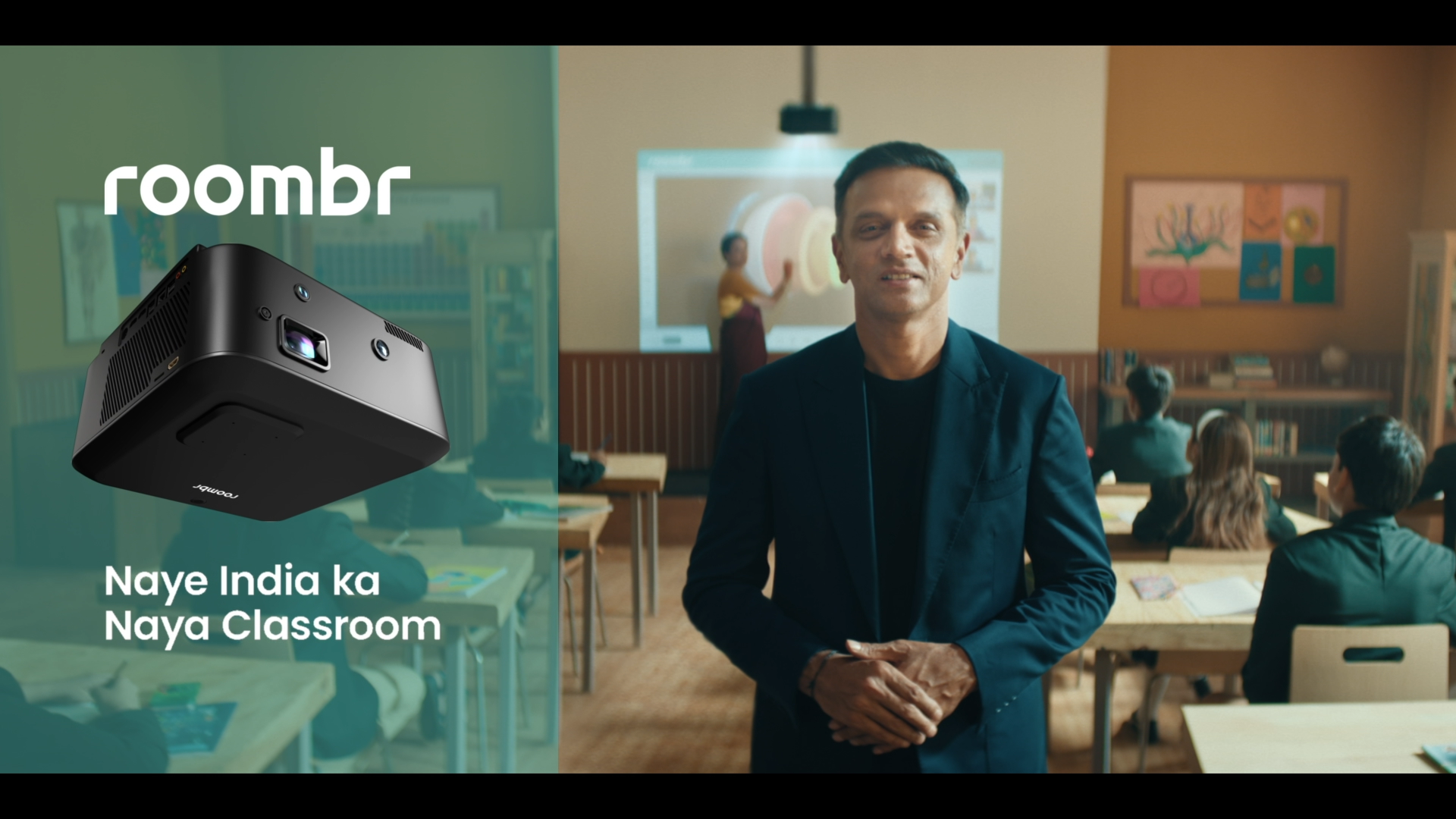
Roombr provides an all-in-one ecosystem that turns any wall into an interactive display. Unlike traditional setups, it is designed for the rigors of the Indian classroom. It is durable, incredibly intuitive, and built to support the high-speed demands of interactive video content. Whether it is the seamless touch response or the integrated software that makes "casting" content a breeze, the right educational technology acts as a force multiplier for the teacher’s effort.
Key Takeaway
The shift to a digital classroom is about pedagogical transformation. By using videos not just as "watching" material but as "interactive" material, you invite students to participate in their own learning journey.
When a student can touch a video, pause it, draw over it, and discuss it, the information moves from the screen to their long-term memory.
Find out here how Roombr’s AI-powered Digital Classroom can help.

Foziya Abuwala
Share
Step Into the future of
Education with Roombr