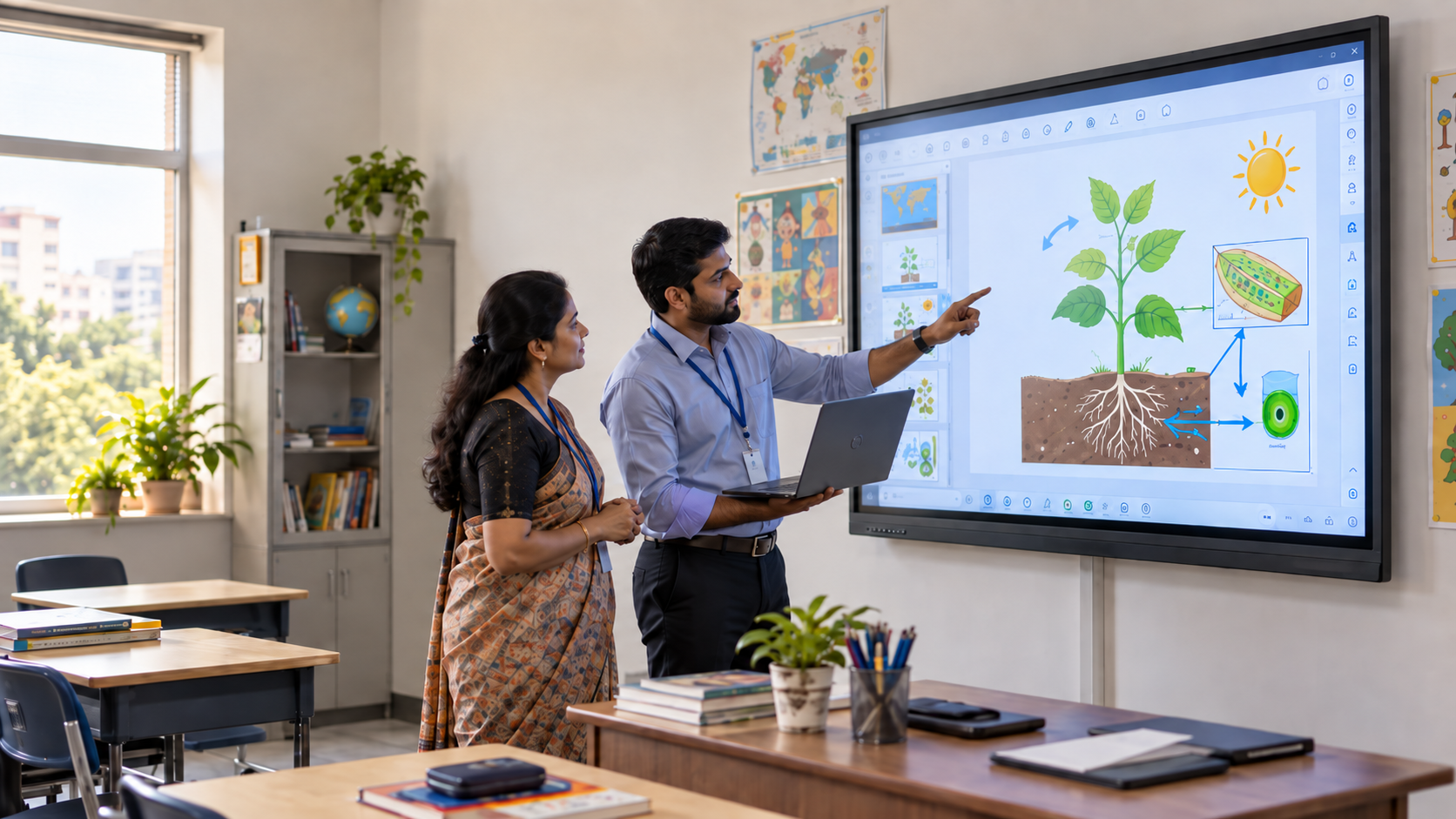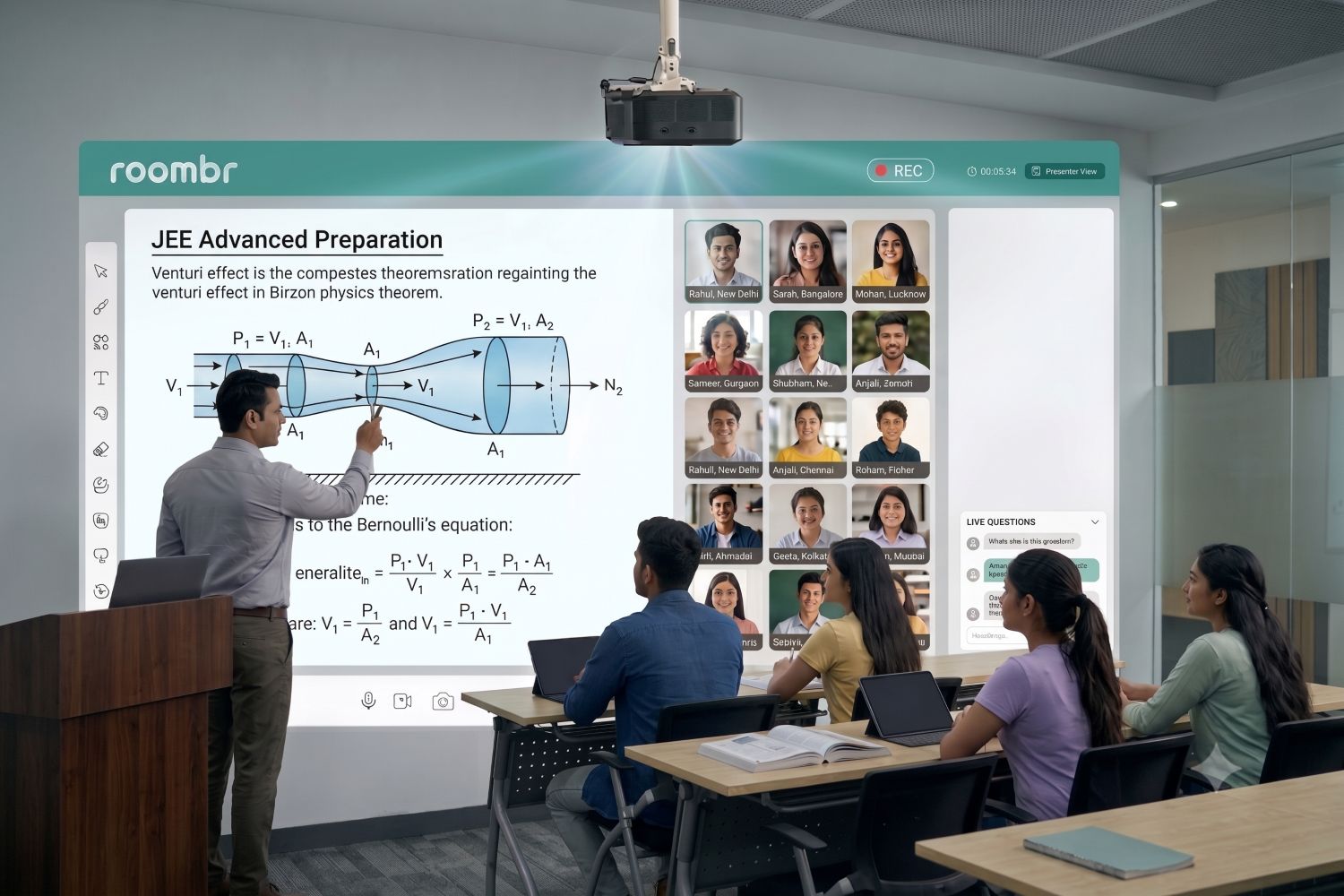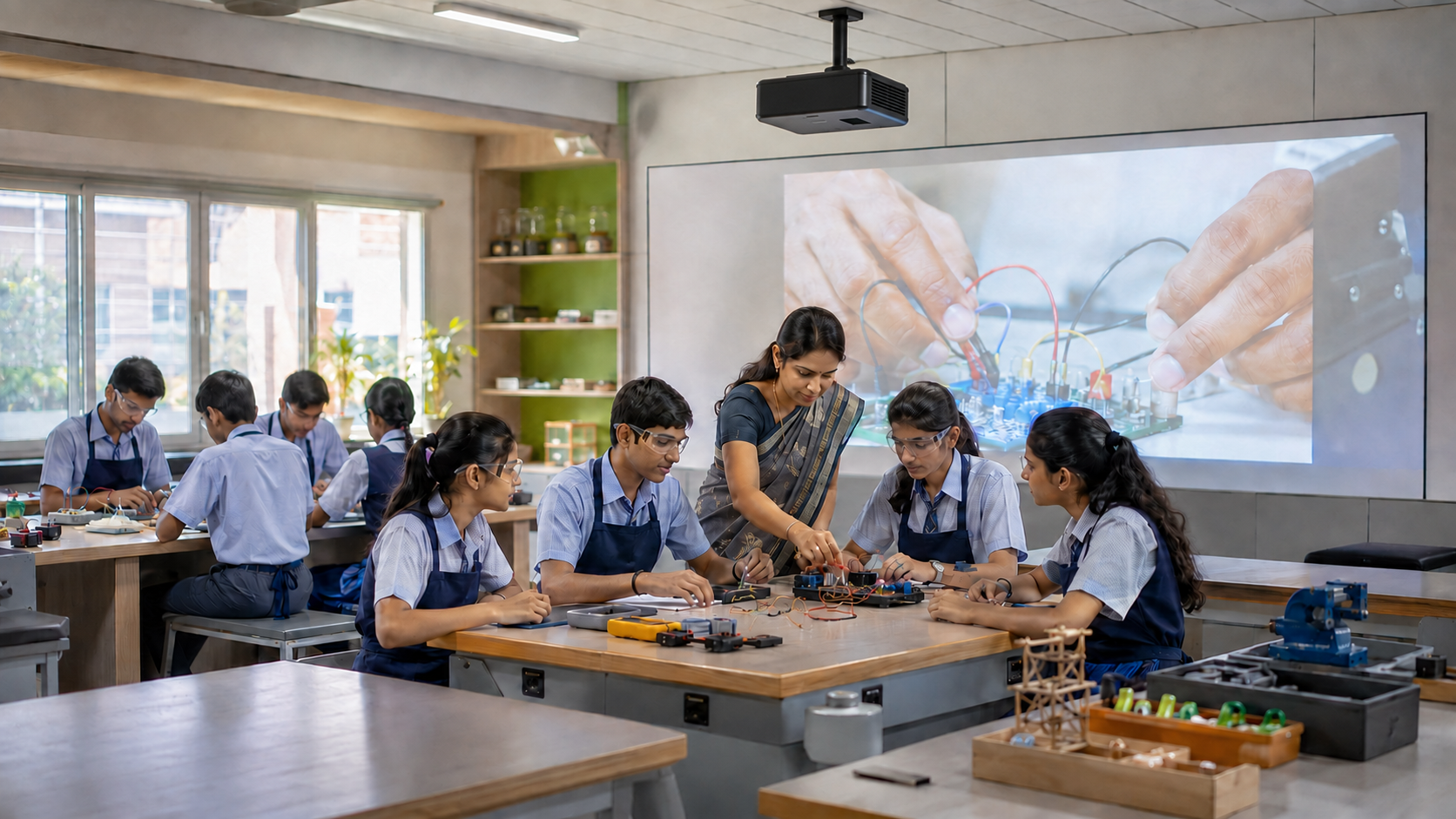


Modern schools are expected to do more than complete a syllabus.
Today, educators, principals, and school leaders want to know whether students are actually learning, applying, and retaining what is taught in class. That is where learning outcomes become essential. They help schools shift from content delivery to measurable student progress.
The Definition of Learning Outcomes
When people ask what learning outcomes are, the simplest answer is this: they describe the final result of learning from the student’s point of view.
They are not about what the teacher covers. They are about what the learner can demonstrate after instruction.
For example:
- A teacher may explain fractions.
- A learning outcome would say the student can solve fraction problems independently.
That is the difference between covering a topic and achieving a result.
In modern education, student learning outcomes help schools identify whether teaching is creating real understanding, not just classroom activity. They also support better lesson design, stronger classroom assessment, and clearer academic goals.
Learning Objectives vs Learning Outcomes
These two terms are often mixed up, but they serve different purposes.
Learning objectives describe what the teacher plans to teach.
Learning outcomes describe what the student should be able to do.
Comparison Table
This difference matters because schools need more than good teaching intentions. They need measurable learning outcomes that can be observed, checked, and improved over time.
Why Learning Outcomes Matter for Schools
Clear learning outcomes give structure to teaching and clarity to learning.
They help schools align classroom instruction, assessment methods, and academic goals. They also make it easier for teachers to know what success looks like in each lesson.
1. They Improve Student Focus
When students know what is expected, they engage better.
Clear outcomes reduce confusion and help learners understand the purpose of each lesson. That can improve confidence, participation, and long-term retention.
2. They Improve Teaching Strategy
Teachers can plan better when the goal is clear.
Instead of simply covering content, they can design lessons that lead to a specific result. That makes learning more purposeful and assessments more aligned.
3. They Support Measurable Progress
Schools cannot improve what they cannot measure.
When outcomes are measurable, teachers can track progress through quizzes, class discussions, oral responses, projects, or practical tasks. That makes assessing learning outcomes much easier and more useful.
4. They Support Academic Quality
Well-defined outcomes help schools move closer to outcome-based education.
That means the focus shifts from finishing a syllabus to demonstrating actual student achievement. This is especially valuable for modern schools that want stronger academic visibility.
5. They Fit Modern Classrooms
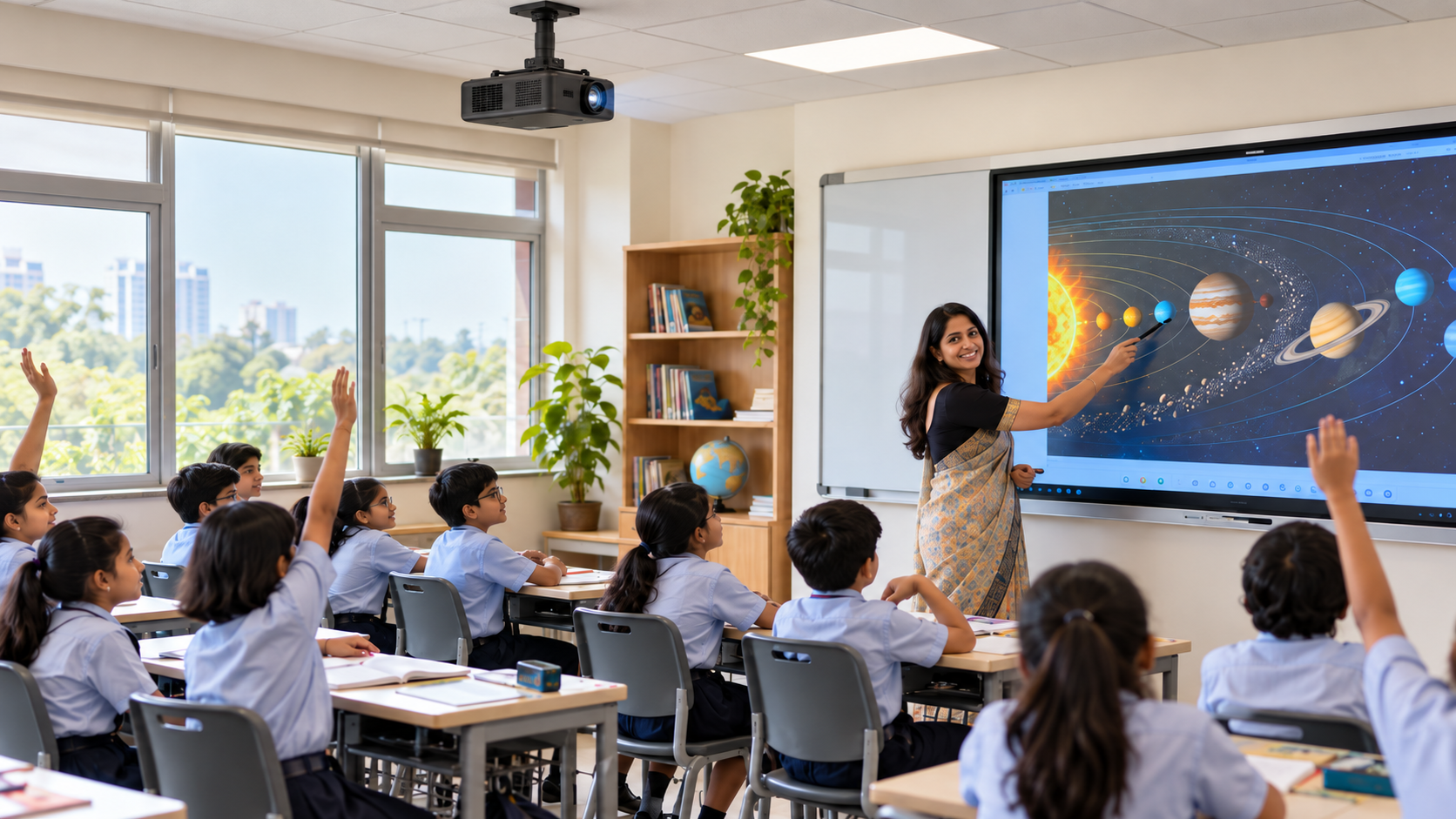
In a digital classroom or smart classroom, learning outcomes are easier to support and track.
Interactive tools, visual content, and real-time classroom engagement help teachers observe how students respond during the lesson. That makes learning more active and more measurable.
Key Traits of Effective Learning Outcomes
A strong learning outcome is clear, observable, and realistic.
It should not sound vague or general. It should describe a result that can actually be checked.
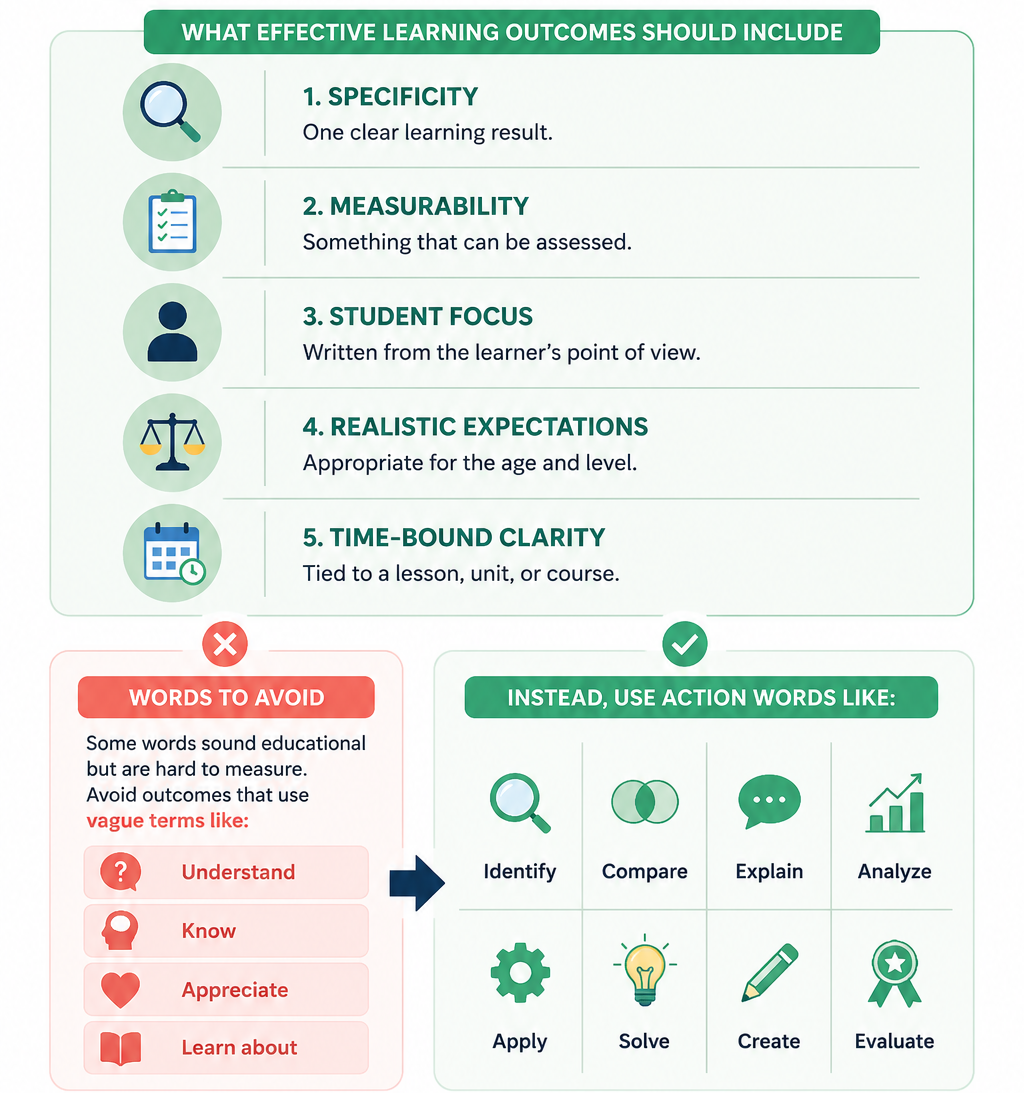
What Effective Learning Outcomes Should Include:
- Specificity — one clear learning result
- Measurability — something that can be assessed
- Student focus — written from the learner’s point of view
- Realistic expectations — appropriate for the age and level
- Time-bound clarity — tied to a lesson, unit, or course
Words to Avoid
Some words sound educational but are hard to measure.
Avoid outcomes that use vague terms like:
- Understand
- Know
- Appreciate
- Learn about
Instead, use action words like:
- Identify
- Compare
- Explain
- Analyze
- Apply
- Solve
- Create
- Evaluate
These verbs make learning outcomes easier to assess and much more useful in practice.
How to Write Measurable Learning Outcomes
A useful formula for writing strong outcomes is:
Action verb + content + performance standard
Example:
- Weak version: Students will understand grammar.
- Strong version: Students will correct grammar errors in a paragraph with 80% accuracy.
The second version works better because it is specific and measurable.
A simple framework
- Start with the action. Decide what the student should do.
- Add the topic. Be clear about the subject or skill.
- Define success. Explain what counts as achievement.
Example learning outcomes
- Students will identify the parts of a plant cell.
- Students will compare two historical events using a chart.
- Students will solve basic algebra problems independently.
- Students will present a summary using key vocabulary.
These are strong student learning outcomes because they show what the learner can actually do.
Examples of Learning Outcomes in Education
Here are some subject-based examples to make the idea more practical.
These examples show how learning outcomes in education can be written in a way that is clear, useful, and easy to assess.
Learning Outcomes in Teaching and Learning
Strong learning outcomes in teaching and learning create alignment across the classroom.
Teachers know what to teach.
Students know what to achieve.
School leaders know what to measure.
That alignment improves:
- Lesson planning
- Classroom assessment
- Curriculum mapping
- Academic review
- Student progress tracking
It also helps schools use assessment tools in education more effectively, because the assessment can match the exact outcome being targeted.
How Smart Classrooms Support Learning Outcomes
Technology can play a useful role in improving how schools track and support learning.
A well-designed smart classroom helps teachers make learning more interactive and more visible.
With the right setup, teachers can:
- Explain concepts with visuals
- Keep students engaged during lessons
- Check understanding in real time
- Use digital activities for quick assessment
- Save classroom evidence for review
This is where Roombr fits naturally.
Roombr’s smart classroom solutions are designed to support more connected teaching environments. When schools use digital tools in class, they can make lessons more engaging, improve classroom interaction, and get better visibility into how learning is progressing.
That supports:
- Technology in teaching and learning
- Interactive classroom engagement
- Digital assessments
- Student learning outcomes
- Better lesson-level tracking
A smart classroom does not replace the teacher. It helps the teacher teach, observe, and support learning more effectively.
Practical Tips for Schools
Schools that want to improve learning outcomes can start with a few simple steps.
- Review whether each lesson has a clear, measurable outcome.
- Replace vague language with action-based wording.
- Align outcomes with assessments and classroom activities.
- Use digital tools to support participation and feedback.
- Keep outcomes realistic for the student’s level.
- Revisit outcomes during academic planning and review.
These steps can improve lesson quality, assessment clarity, and overall student learning.
Frequently Asked Questions
1. What are learning outcomes?
Learning outcomes are specific, measurable statements that describe what a student should achieve after learning.
2. What is the difference between learning objectives and learning outcomes?
Learning objectives describe what the teacher plans to teach. Learning outcomes describe what the student should be able to do after the lesson.
3. Why are learning outcomes important for students?
They give students clear expectations, help them understand the goal of each lesson, and make progress easier to track.
4. How do smart classrooms improve learning outcomes?
Smart classrooms help teachers use digital tools, increase engagement, and check understanding more effectively.
5. What makes a learning outcome effective?
An effective outcome is specific, measurable, realistic, student-focused, and tied to a clear timeline.
Key Takeaway
Strong learning outcomes help schools move from teaching content to measuring real learning.
They improve lesson planning, support better assessment, and make student progress easier to understand.
For schools exploring more connected and interactive teaching environments, Roombr’s digital classroom solutions can support the journey toward better learning visibility and stronger academic outcomes.

Foziya Abuwala
Share
Step Into the future of
Education with Roombr