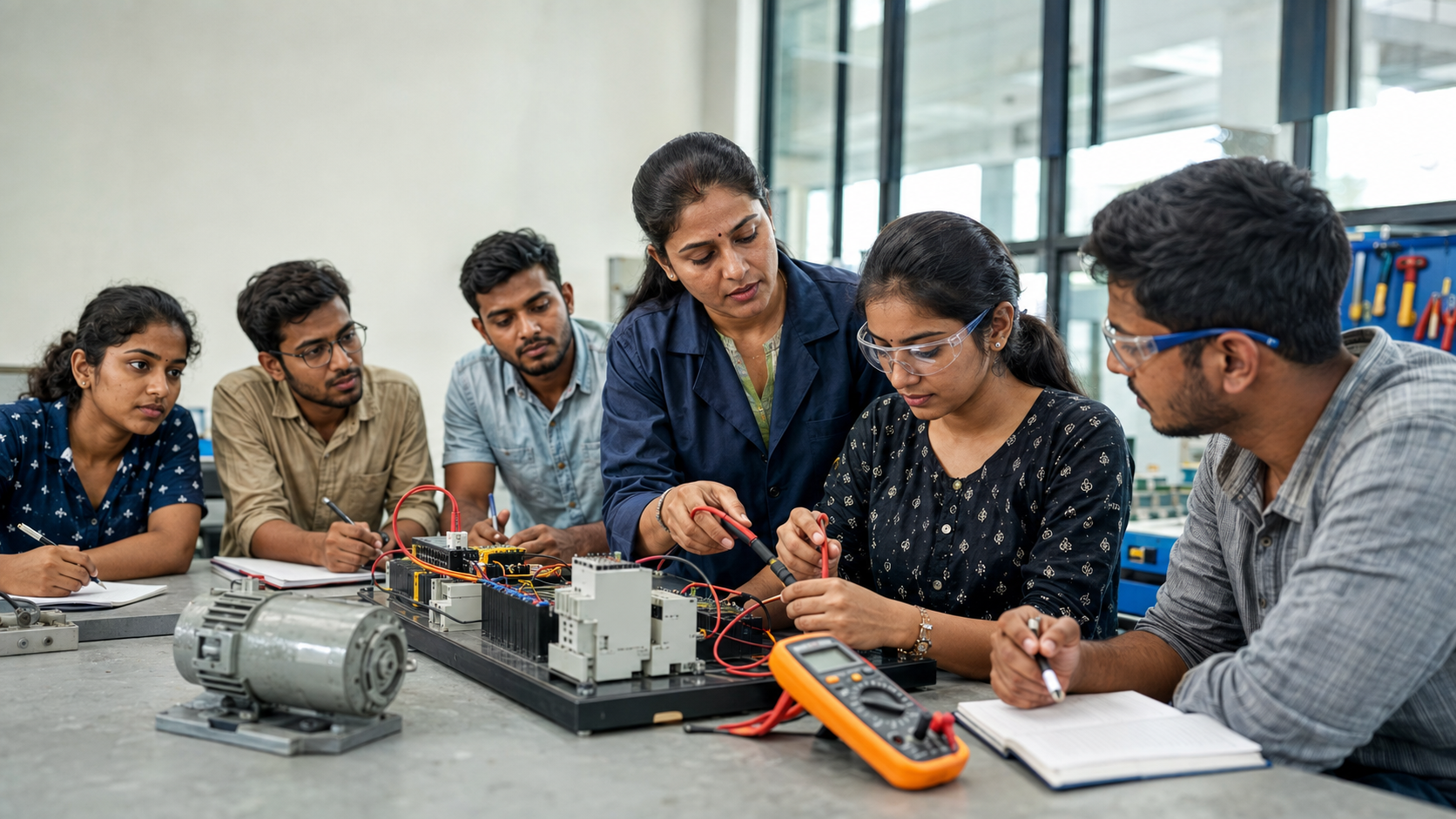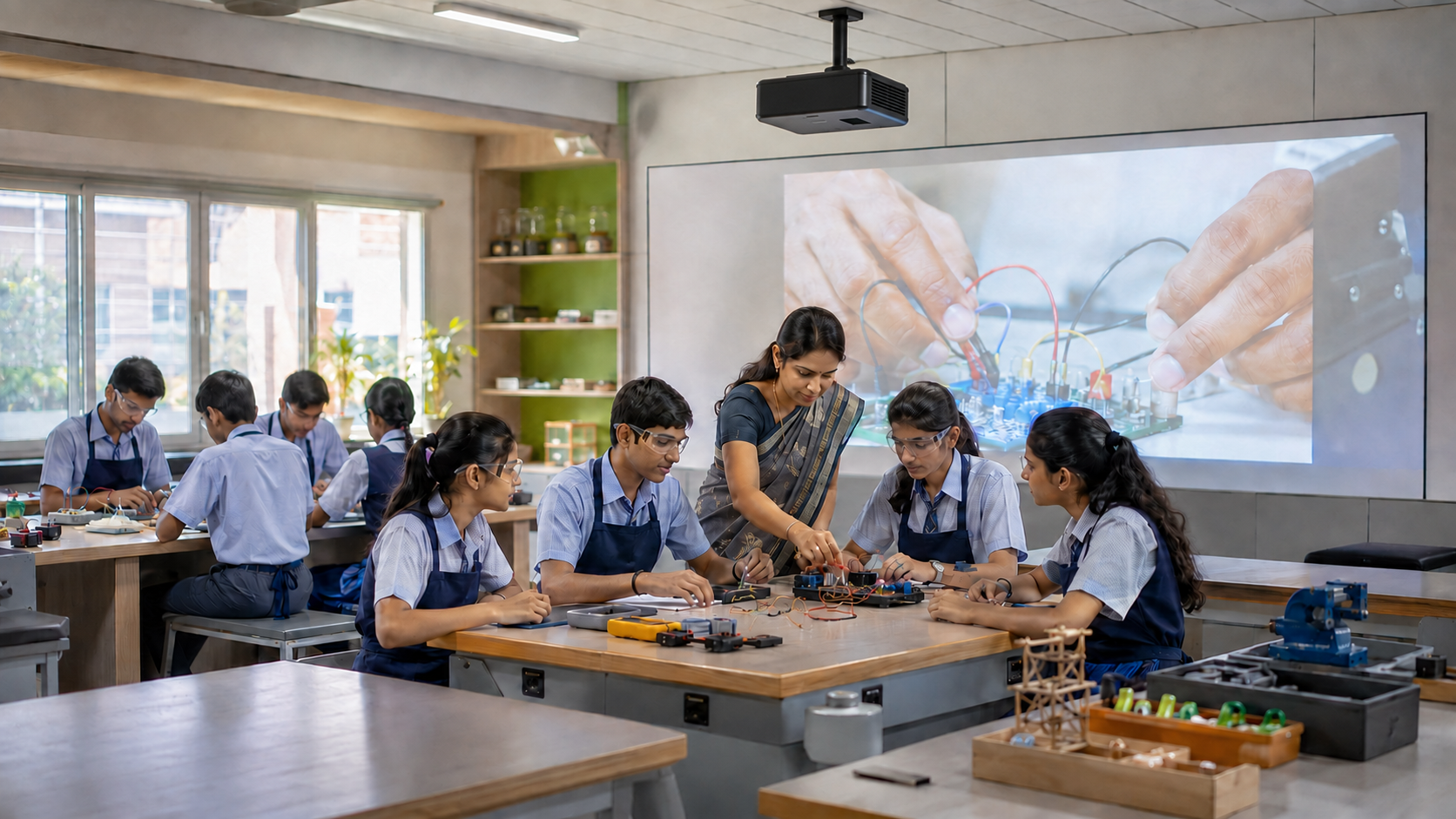


Teachers explain. Students listen. But real learning happens when students can see, touch, try, and talk through an idea. That is where Teaching Learning Material (TLM) comes in.
TLM simply means the tools and resources a teacher uses to make a topic clear and interesting. It includes printed worksheets, charts, models, videos, activities, and the tools used in a digital classroom, such as an interactive whiteboard or an interactive flat panel.
As schools move toward online methods and modern teaching tools, TLM is changing too. It is no longer limited to paper or a chalkboard. Today, TLM can be created fast, shared across classes, reused, updated, and used for instant practice and feedback. This shift is one of the biggest reasons many schools are planning a smart classroom setup.
What is TLM in Education?
TLM stands for Teaching Learning Material. It refers to any material that supports teaching and helps students understand.
TLM can be:
- Physical, like charts, flashcards, real objects, and models
- Audio-visual, like images, videos, and short animations
- Screen-based, like quizzes, simulations, and interactive lessons used in a digital classroom
The goal is simple. TLM helps teachers explain better and helps students learn faster.
Why is TLM Important in Education Today?
Many lessons fail for one reason: students can’t connect ideas to real meaning. TLM helps bridge that gap.
Here is why TLM matters so much today:
1. It Turns Passive Listening into Active Learning
When students only listen, many drift. When they solve, label, match, build, or respond, attention improves.
2. It Makes Complex Topics Easier
Some topics are hard to imagine from words alone. A visual, a model, or a simulation can make the same topic feel simple.
3. It Supports Different Learning Needs
Not every student learns the same way. Some need visuals. Some need examples. Some need step-by-step practice. TLM gives teachers more options.
4. It Fits Modern Teaching Styles
Many schools now use blended teaching, recorded lessons, and classroom practice tools. TLM supports all of that, especially inside a digital classroom.
Different Types of Teaching Learning Materials (TLM)
TLM comes in many types. A strong teaching plan usually mixes them based on the topic, time, and student level.
Traditional TLM
These are the classic classroom materials used for decades:
- Textbooks and printed worksheets
- Flashcards, charts, posters
- Models and real objects (science kits, maps, geometry tools)
Traditional TLM still works well for quick explanation and revision. The limit is that it can become one-way, where the teacher shows, and students watch.
Screen-Based and Online TLM
This is the type of TLM that supports online methods and modern teaching.
Examples include:
- Short videos and animations
- Interactive slides and drag-and-drop tasks
- Quizzes, polls, and exit questions
- Simulations like virtual labs and map-based learning
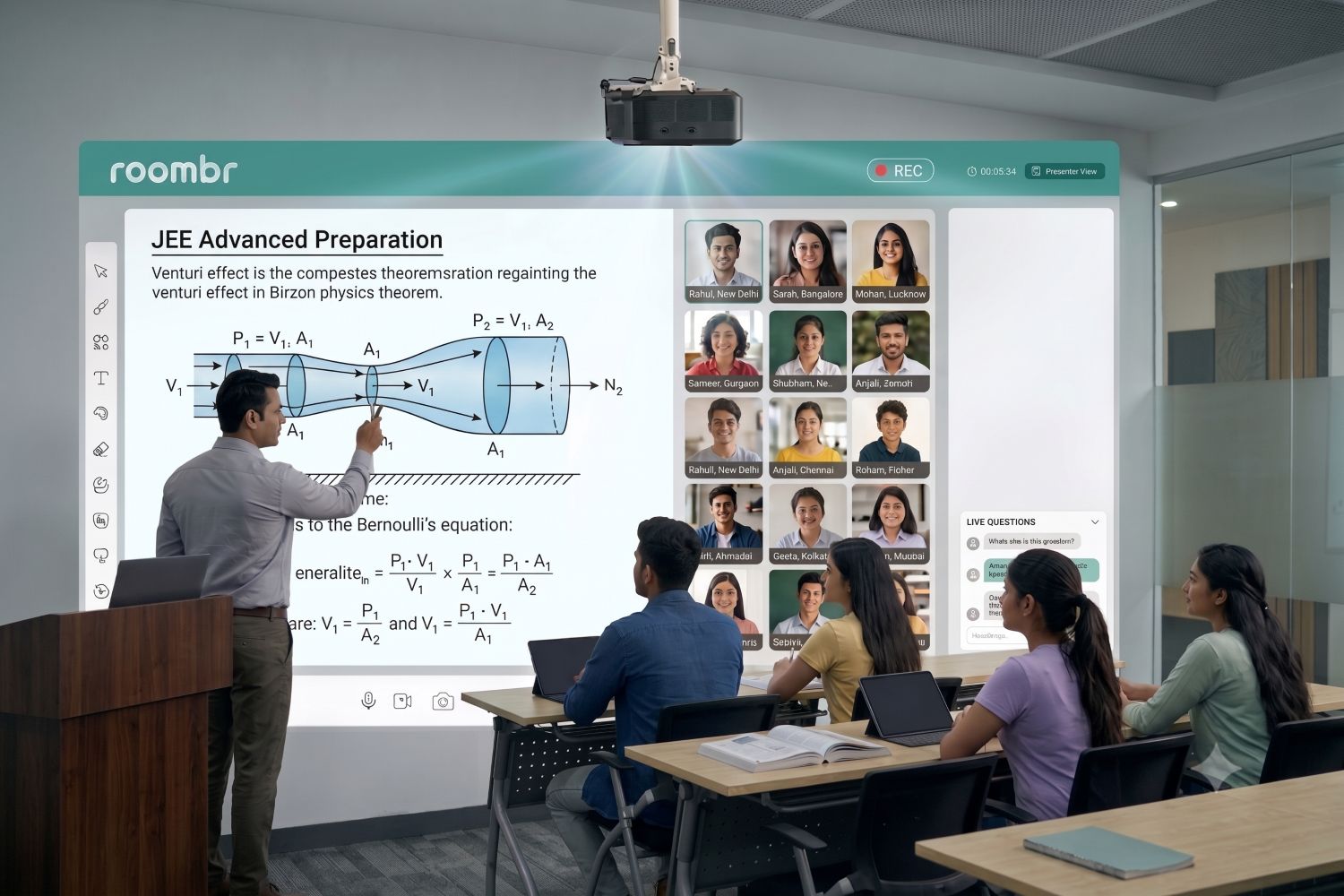
Online TLM becomes easier to run when a classroom has the right display tool, like an interactive whiteboard or an interactive flat panel. These tools make it easy to switch between content types during one lesson.
TLM for Inclusive and Special Education
Inclusive classrooms need materials that reduce barriers and keep more learners involved.
This can include:
- Tactile learning tools
- Audio support and captions
- Speech-to-text and text-to-speech tools
- Large-print and simplified visual resources
- Step-based practice activities
Good inclusive TLM helps the whole class, not just a few students.
Hybrid TLM
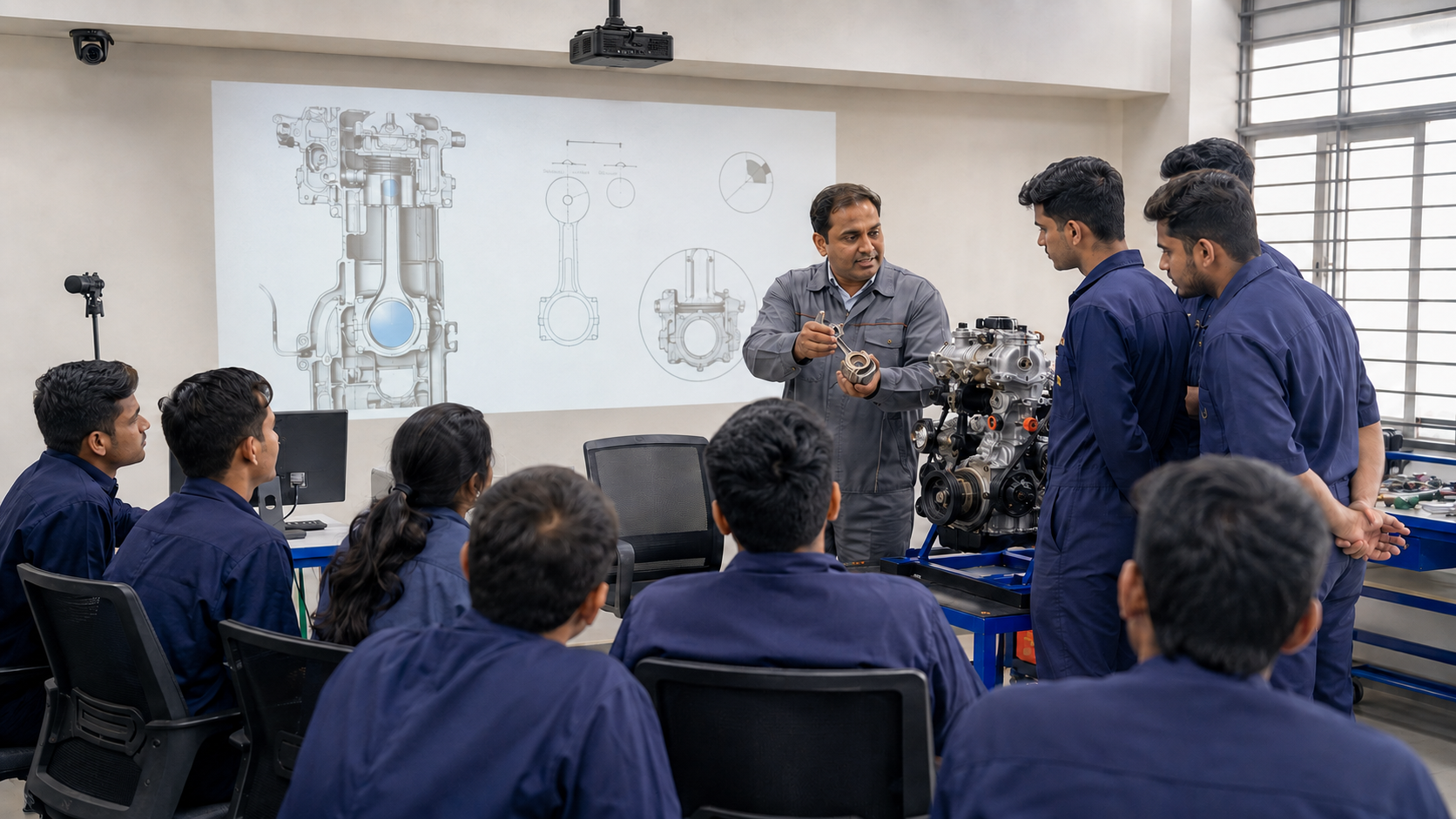
Hybrid TLM mixes physical and screen-based materials. This is often the most practical approach in a smart classroom.
Example: students use physical shapes to understand geometry, then practise the same idea on a screen through an interactive activity.
Transformation of TLM in a Digital Classroom
A digital classroom changes how teachers teach and how students respond. TLM becomes easier to present, easier to reuse, and easier to adapt.
Role of Interactive Panels and Boards
Two tools often shape modern classrooms:
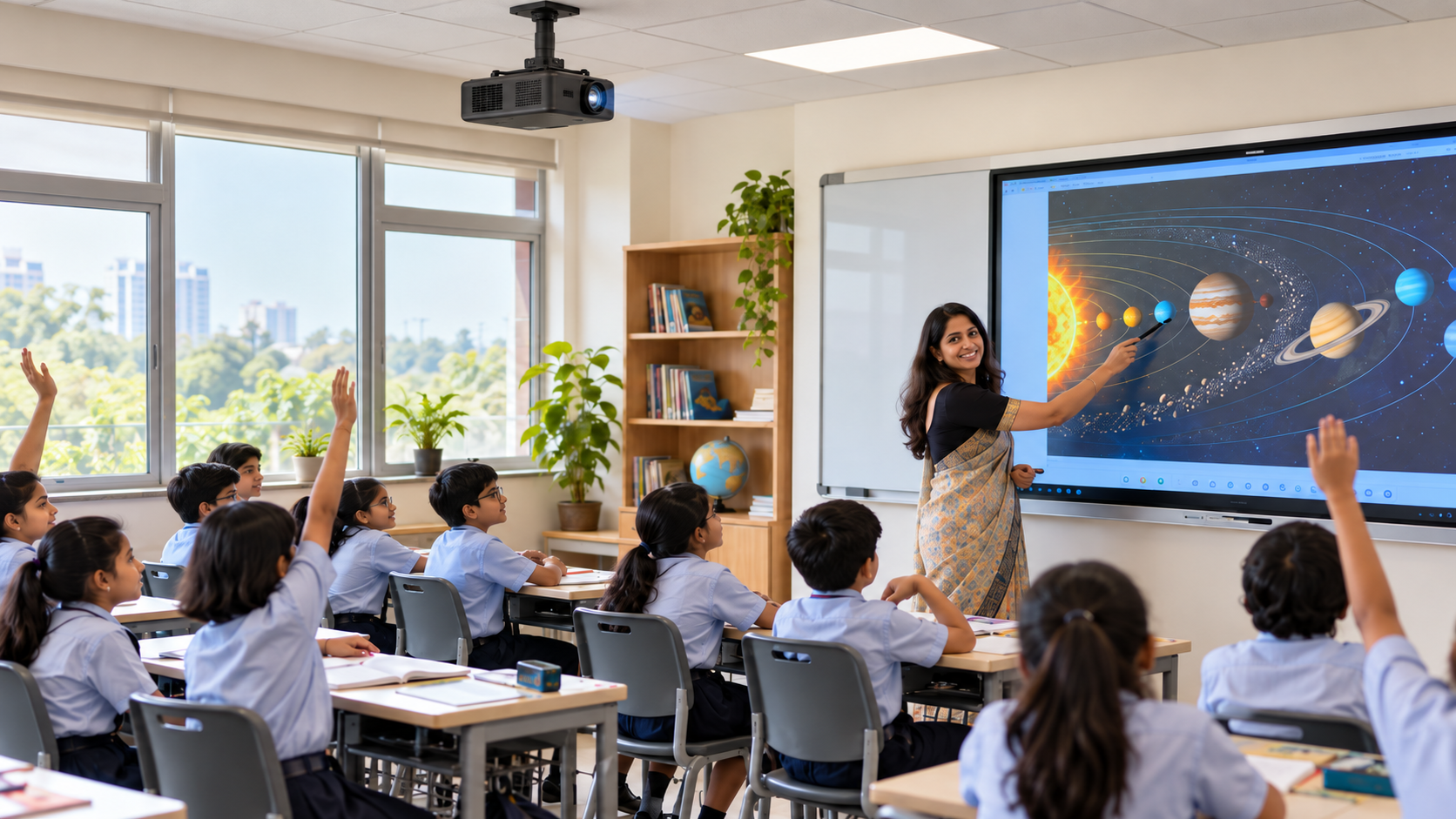
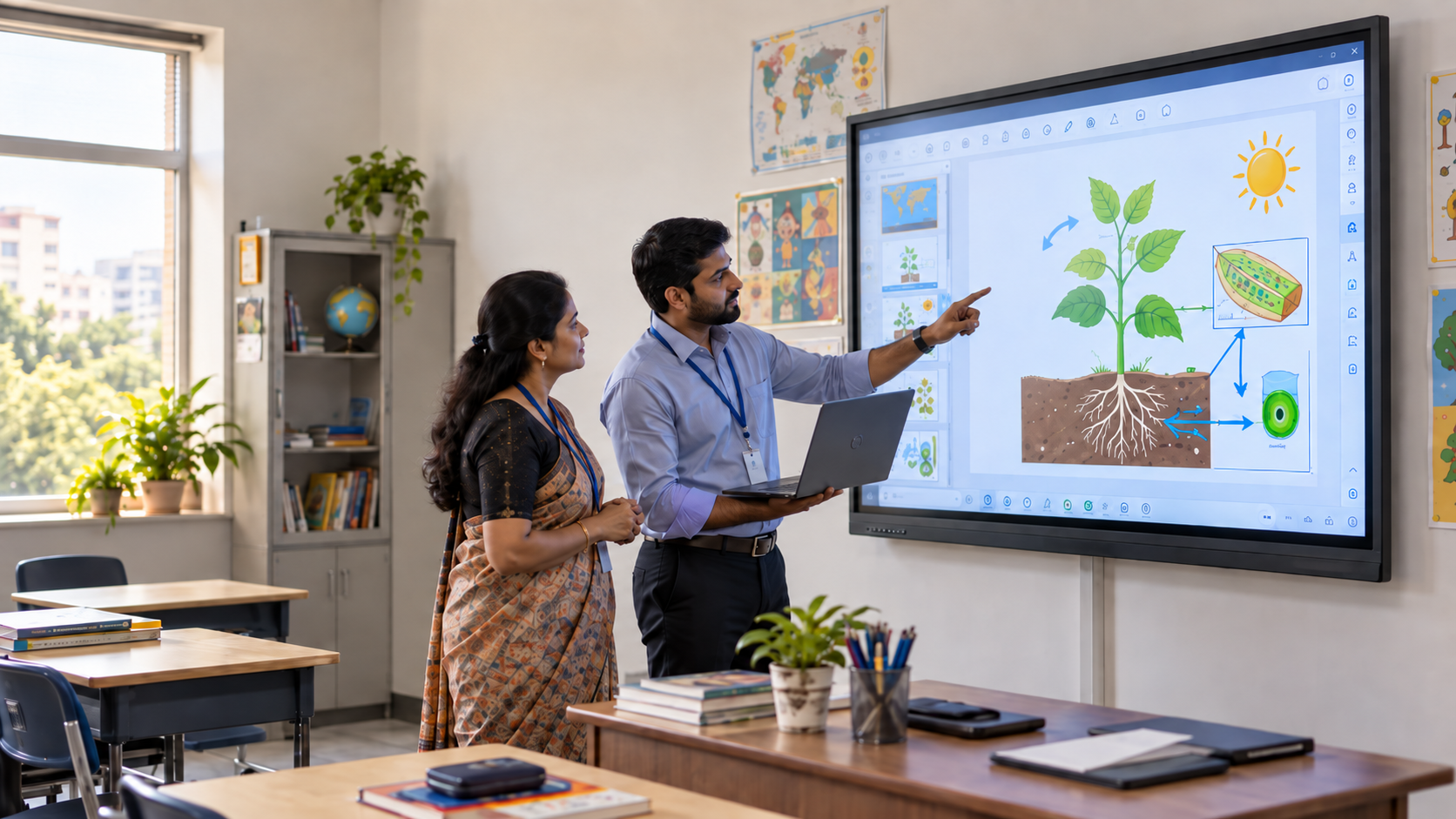
Interactive whiteboard: This is used to display content and allow writing, marking, and interaction during teaching. It supports live explanation with visuals and student involvement.
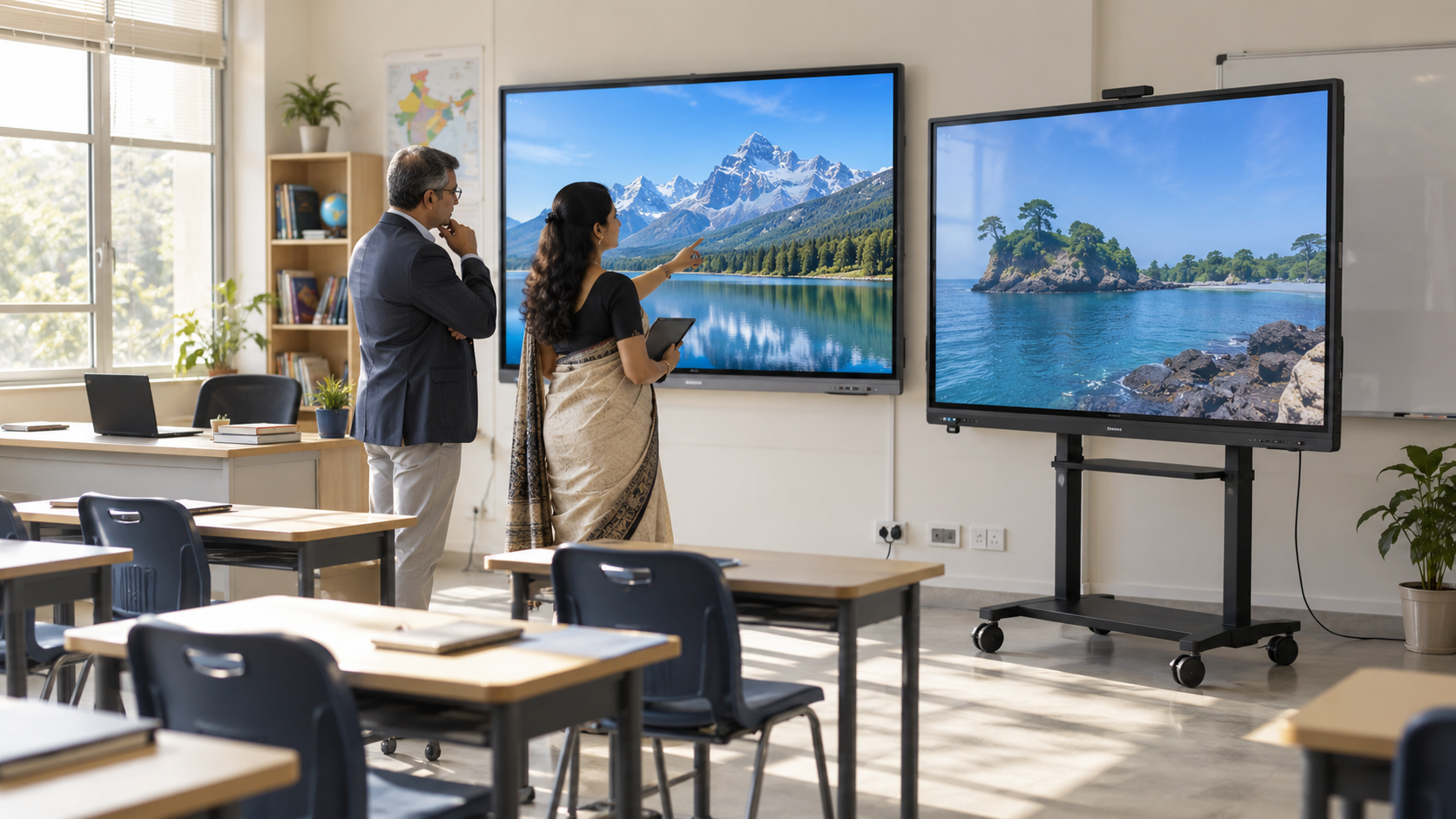
Interactive flat panel: This is a large touch display used for teaching and collaboration. Teachers can write on it, show content, switch between apps, save notes, and run activities where students interact directly on the screen.
Both tools support better TLM use because they bring many teaching materials into one place. Instead of stopping class to change tools, teachers can move from a diagram to a quiz to a video in minutes.
Real-Time Feedback and Collaboration
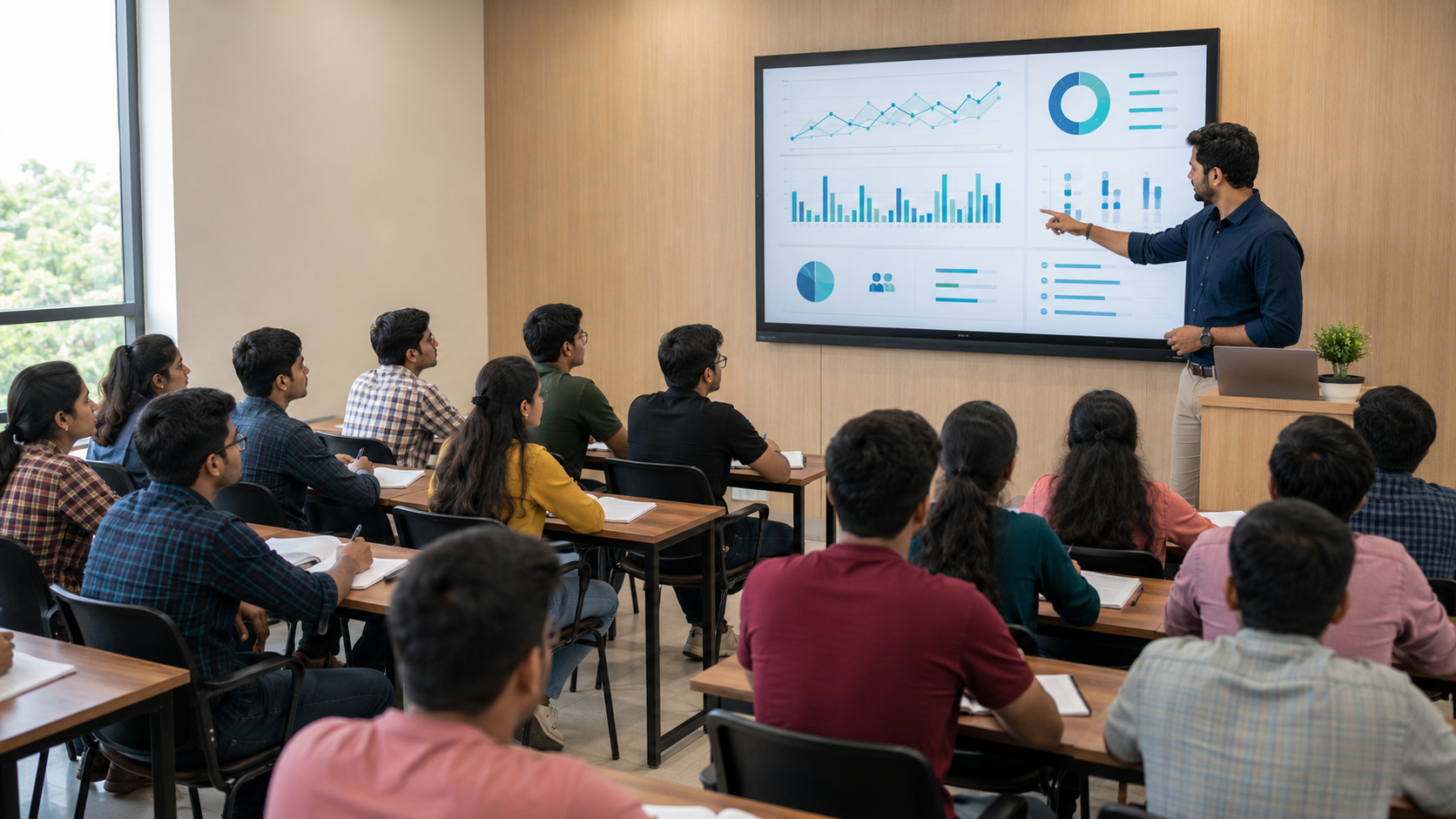
Modern classes move faster when teachers can check understanding right away.
Examples:
- A quick poll to see who understood the topic
- A short quiz after a concept is taught
- Group work where students solve on screen and explain their steps
- Instant review of common mistakes
This kind of teaching is easier when the school has the right smart classroom equipment and simple classroom software for sharing lessons and collecting responses.
How Can Teachers Use TLM Effectively?
TLM works best when used with a clear plan.
Planning and Lesson Integration
Start with the learning goal, then choose the material that fits that goal. A good rule is: one concept, one clear explanation tool, then practice.
Example flow:
- Visual prompt or short question
- Explanation using a diagram or model
- Guided practice
- Quick check for understanding
Mixing DIY and Screen-Based TLM
Not all TLM has to be purchased. Teachers can create simple, effective materials such as:
- Picture prompts
- Short practice sheets
- Local examples that students relate to
- Simple quizzes made from past student mistakes
Screen-based tools then add speed, interaction, and quick revision.
Ongoing Checks to See What Works
Teachers can use:
- Student responses during practice
- Class participation patterns
- Common errors in quizzes
- Short exit questions at the end of class
If one method doesn’t work, change the material and try again. The lesson goal stays the same.
Examples of TLM Activities for Different Subjects
Here are ready-to-use ideas that fit both traditional teaching and a digital classroom.
Science
- Labelled diagrams and match-the-parts activities
- Short simulations for motion, circuits, and ecosystems
- Model demos followed by a quick quiz
Mathematics
- Fraction games and number lines
- Geometry puzzles using physical tools plus screen practice
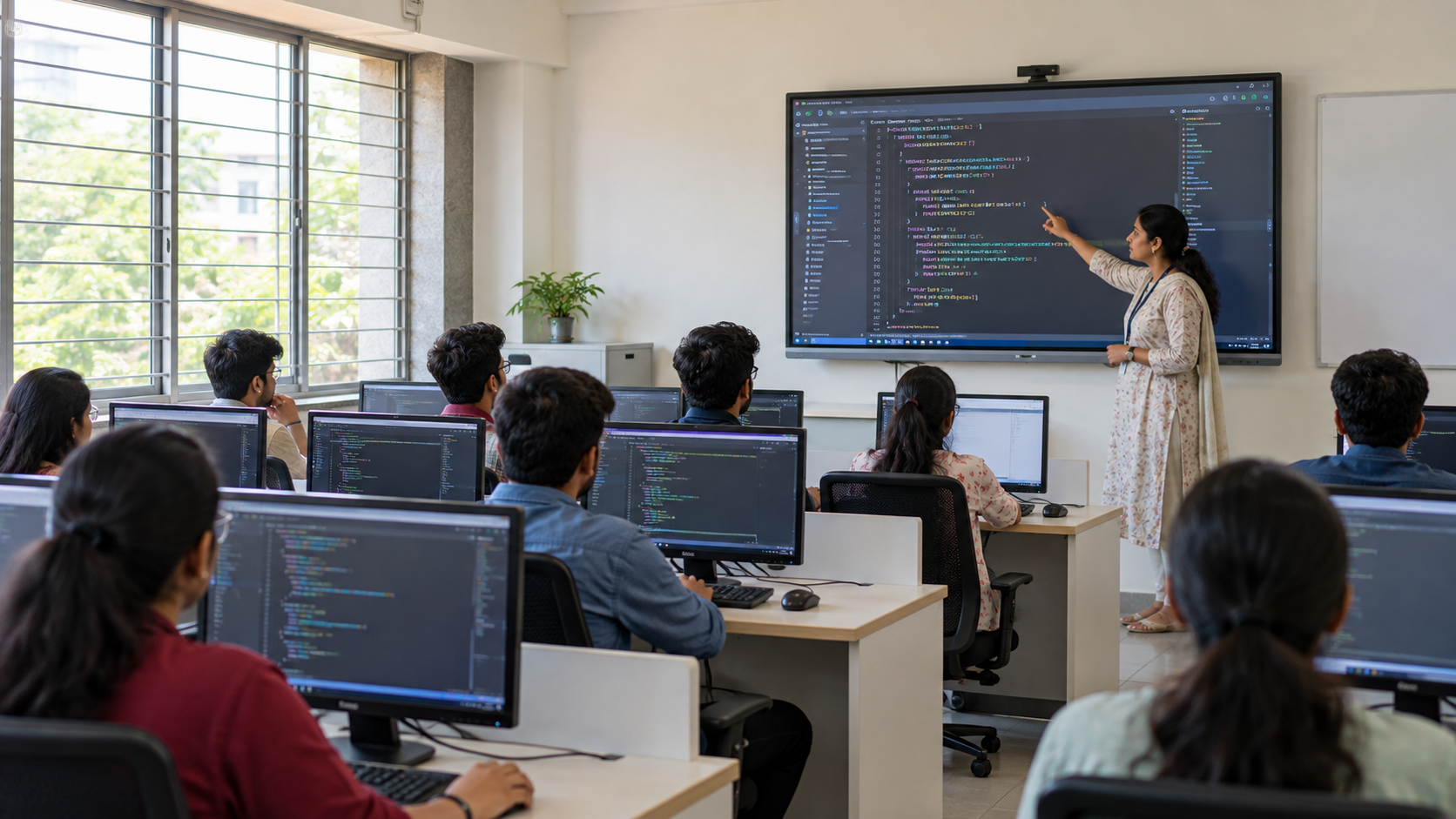
- Step-by-step problem solving on an interactive display
Social Studies
- Map activities with location questions
- Timelines students arrange in order
- Photo prompts followed by short written answers
Languages and Arts
- Vocabulary flashcards and picture prompts
- Listening tasks with short responses
- Group writing and editing on a shared interactive whiteboard
Benefits of Using TLM with Smart Classroom Equipment
When schools pair modern teaching materials with the right smart classroom equipment, the gains usually show up fast:
- Better attention because lessons use visuals and interaction
- Faster lesson flow since materials are ready to use
- More practice during class through short activities
- Better support for mixed-ability classrooms
- Easier lesson reuse, since teachers can save notes and reuse them
Future of TLM in Indian Classrooms
TLM is moving toward more interactive, skill-based learning. Many schools are also focusing on:
- Personalised practice by student level
- More classroom collaboration
- More immersive learning tools, like virtual labs
- Better sharing of teacher-made materials across departments
The tools may change, but the purpose stays steady: help teachers teach clearly and help students learn with confidence.
Frequently Asked Questions
1. What is TLM in schools?
TLM means Teaching Learning Material. It is the set of resources teachers use to explain concepts and support learning.
2. What are the main types of TLM?
The main types of TLMs include traditional materials, screen-based and online materials, inclusive materials, and hybrid mixes.
3. How does a digital classroom improve TLM use?
It makes it easier to display visuals, run interactive practice, save lesson notes, and quickly check understanding.
4. What is the difference between an interactive whiteboard and an interactive flat panel?
An interactive whiteboard supports interactive teaching, often with a connected system. An interactive flat panel is a touchscreen display that combines viewing, writing, and interaction in one device.
5. What is included in smart classroom equipment?
It often includes a teaching display (such as an interactive flat panel or interactive whiteboard), audio support, and classroom tools that facilitate lesson delivery and student practice.
Ready To Bring These Concepts To Life?
Our all-in-one hardware goes beyond a regular interactive flat panel or whiteboard. Explore how Roombr’s digital classroom solutions turn static TLM into immersive, interactive experiences that captivate every student.

Foziya Abuwala
Share
Step Into the future of
Education with Roombr