
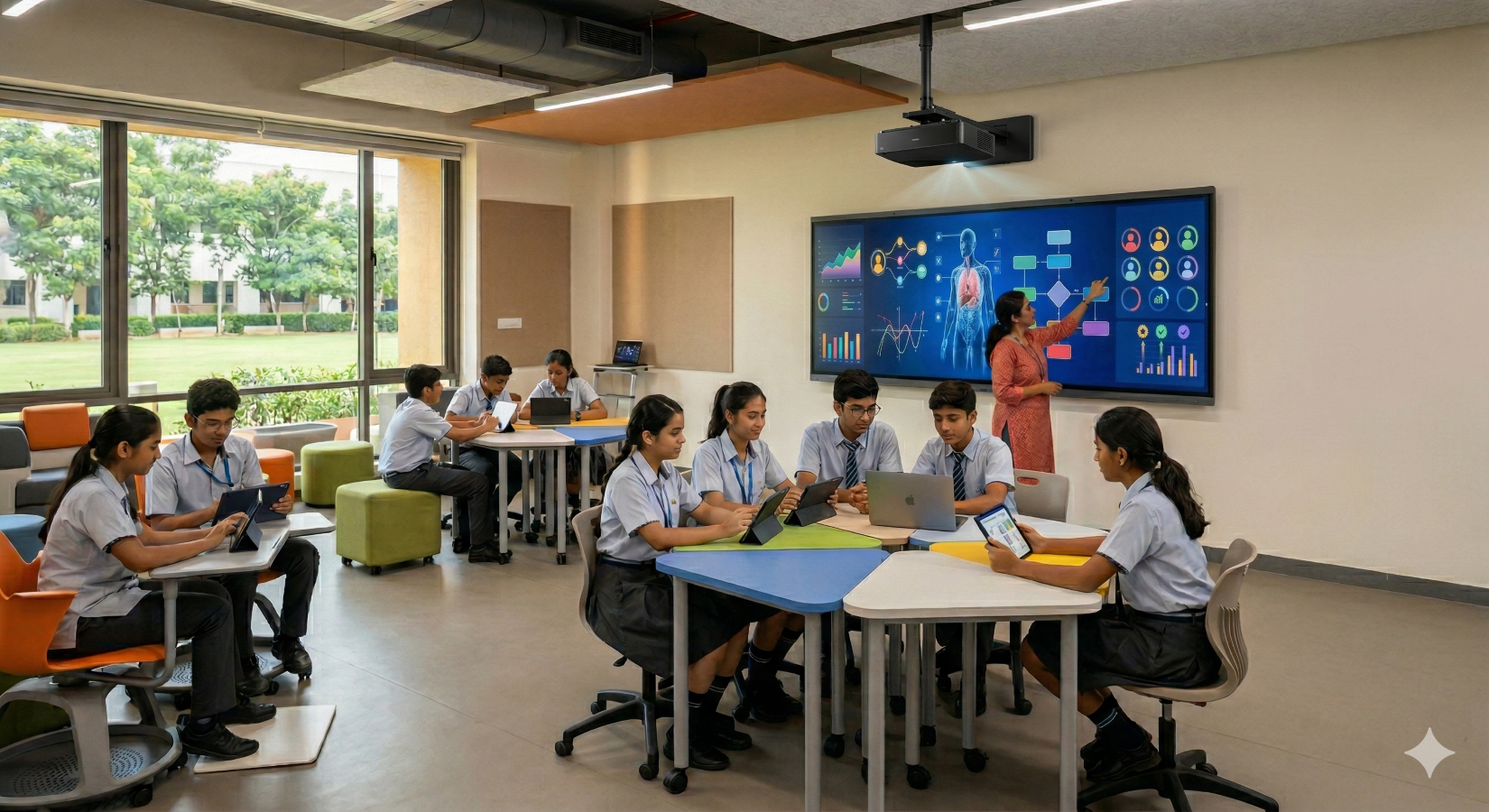
You have probably invested heavily in digital screens and fast campus Wi-Fi. Yet, true individualization for every student often feels out of reach. The gap between installing new hardware and improving student success is where many institutions get stuck. This is where the AI-powered flex model steps in to transform blended learning.
We need to shift the focus away from just buying technology. We need to look at deep pedagogical impact. Upgrading your infrastructure to support this specific model empowers your teachers. It also gives students unprecedented control over their own educational pace.
This article discusses how this modern approach redesigns blended learning for proactive schools.
Where Traditional Flex Frameworks Fall Short in Blended Learning
Many schools attempt to implement a flex model using outdated tools. Administrators quickly realize that without intelligent systems running in the background, the administrative burden crushes the intended pedagogical benefits.
1. Manual Data Entry Exhausts Educators
Teachers spend countless hours inputting grades and manually tracking online modules. This repetitive labor steals valuable time away from actual student mentorship. True blended learning should actively reduce friction for teachers rather than add administrative tasks to their daily plates. When educators waste time on data entry, they cannot focus on personalized interventions.
2. Static Timetables Ignore Individual Pace
A standard bell schedule forces every student to move on to the next topic at the same time. The traditional classroom setup entirely lacks the fluidity needed to adapt to real-time student needs. This rigid structure severely limits the true potential of blended learning environments. Students who need more time get left behind while advanced learners grow bored.
3. Parents Demand Clear Academic Progress
Families now expect transparent and instant updates regarding student performance. When schools rely on fragmented educational systems, performance reporting becomes delayed and vague. Parents want to see competency metrics rather than just basic daily attendance records. A modernized blended learning framework provides this clarity.
Core Pillars of an Intelligent Blended Learning Environment
To fix these traditional flaws, schools must adopt highly intelligent infrastructure. You need an educational ecosystem that connects the physical room with digital intelligence. The foundation of modern blended learning relies entirely on a few non-negotiable elements.
High-Fidelity Interactive Displays
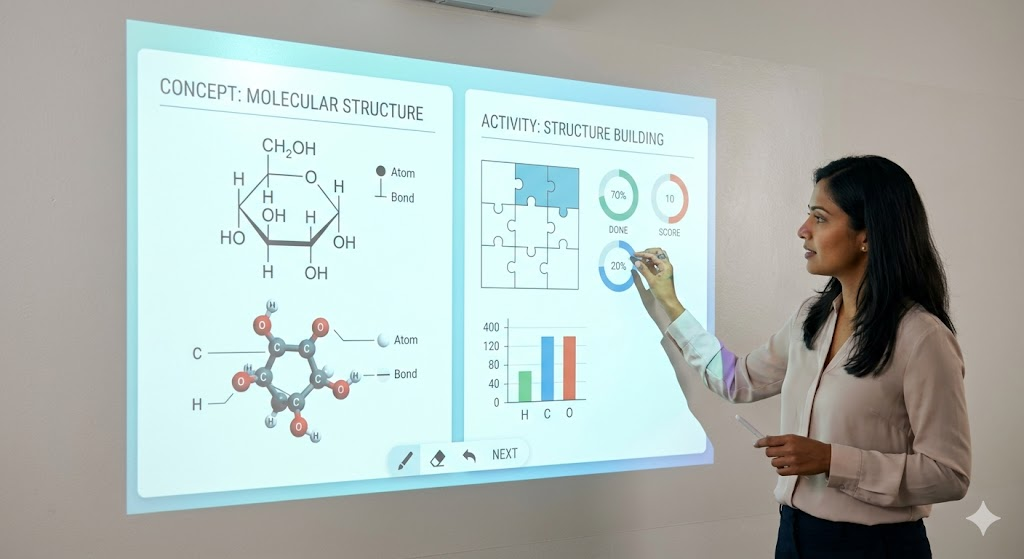
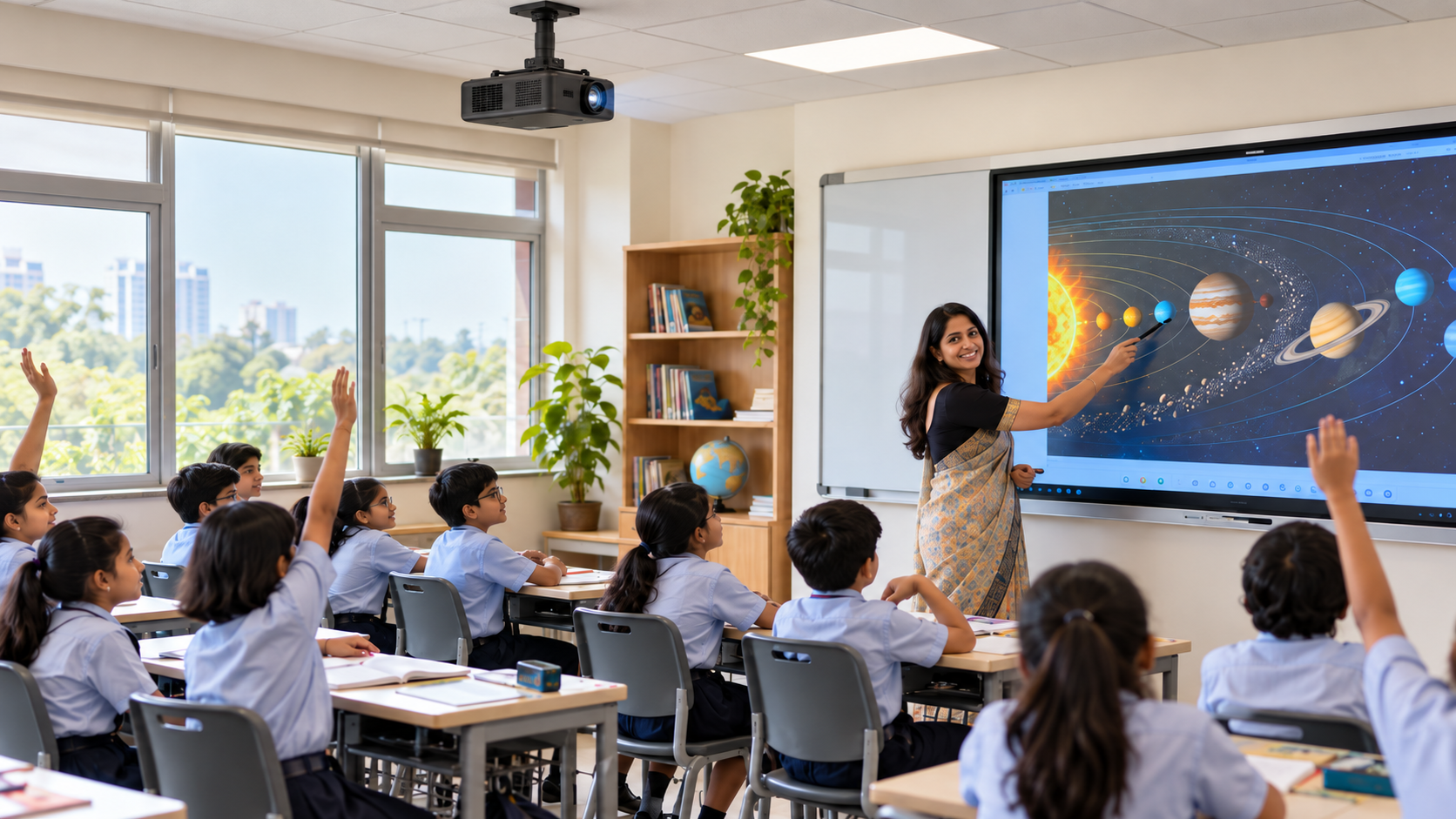
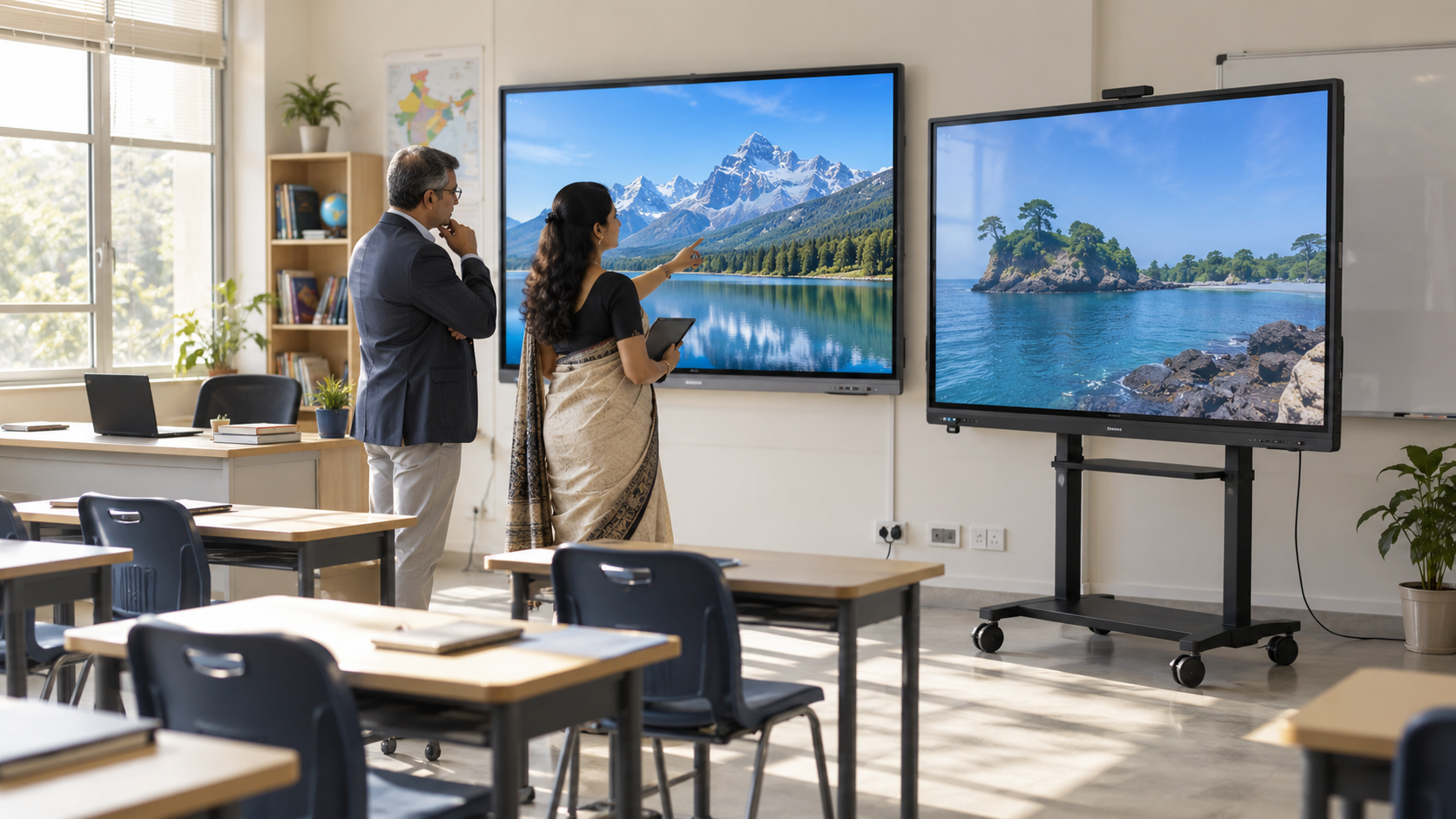
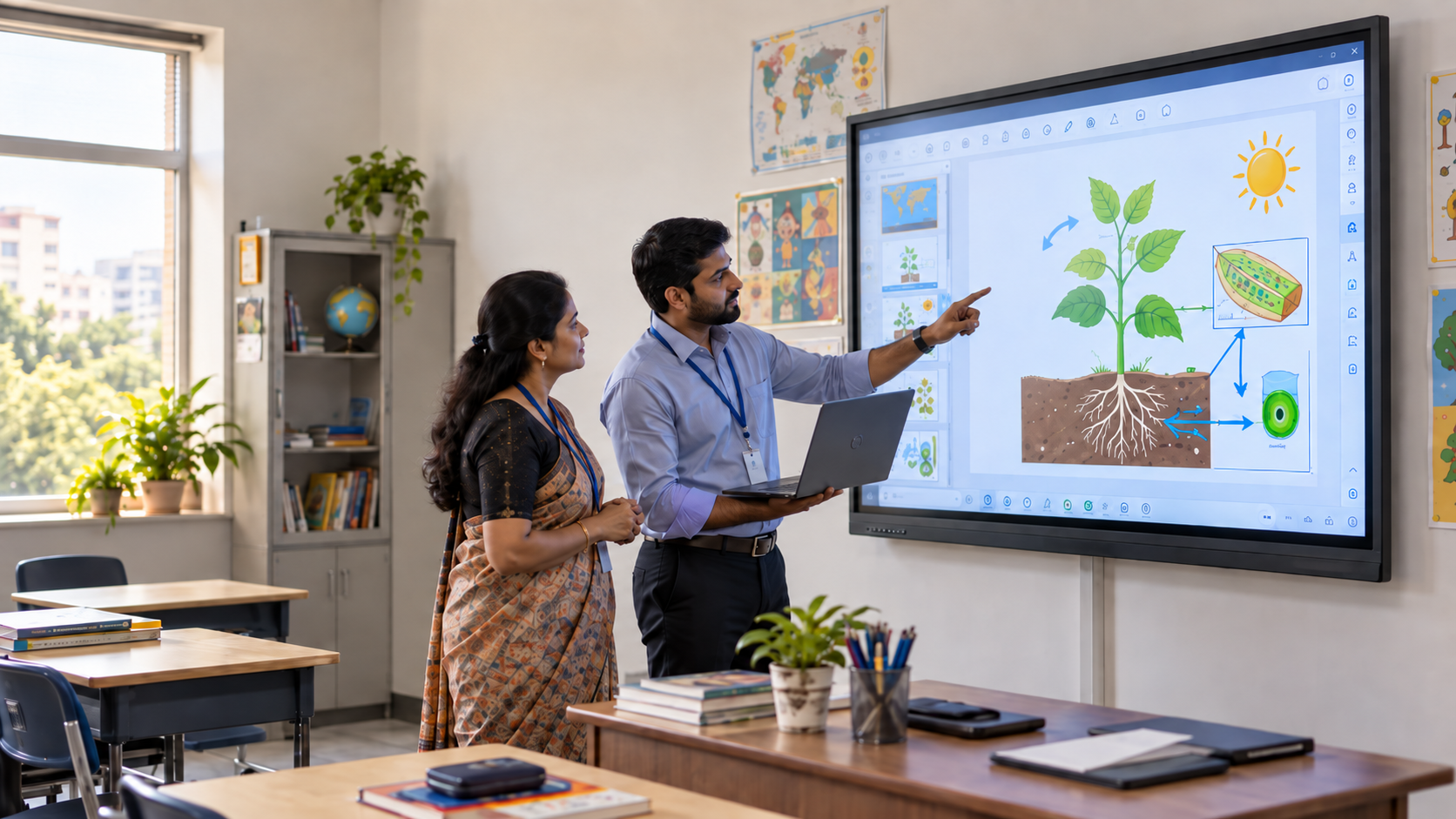
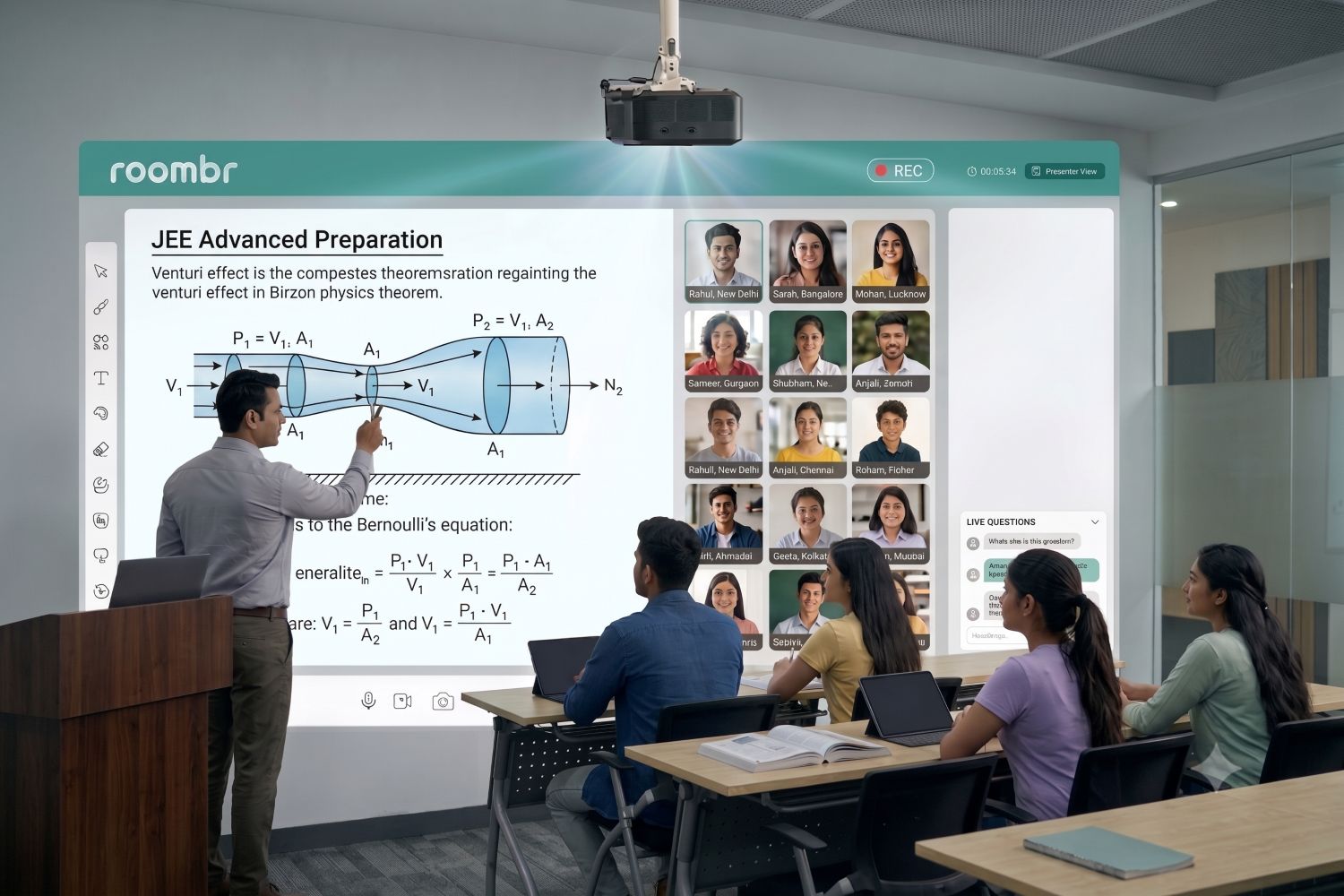
You simply cannot run an advanced flex model with just a standard projector and a whiteboard. You need a modern smart class setup that acts as a centralized collaborative hub. These interactive displays allow teachers to pull up 3D models and rich media instantly. A properly equipped smart class environment bridges the gap between independent digital work and group discussions. It makes the digital curriculum visible and highly interactive for everyone in the room.
Real-Time Analytics Dashboards
Data serves as the lifeblood of this specific pedagogy. Instead of waiting for mid-term exams to gauge understanding, intelligent dashboards track student interactions daily. Teachers can instantly identify who needs a one-on-one intervention and who is ready for advanced material. This immediate feedback loop keeps the learning experience dynamic and highly effective.
Transition Your Campus Away from Fixed Schedules
Moving an entire school to a flex model requires a highly strategic rollout plan. You cannot just flip a switch and expect immediate adaptation from your staff and students. A careful approach ensures your transition into advanced blended learning goes smoothly and gains necessary staff buy-in.
Start With a Single Pilot Department
Choose a specific subject area, like high school mathematics, to test the model first. Let a small team of teachers fix the initial classroom challenges. They can document their best practices and demonstrate the tangible value of learning to the rest of the faculty. Success in a small pilot program builds the momentum needed for campus-wide adoption.
Train Faculty on Asynchronous Learning
Teachers must learn how to design engaging modules that students can consume independently. Mastery of asynchronous learning ensures that students remain productive even when the main teacher is busy facilitating a small group discussion elsewhere. This methodology creates a self-sustaining educational ecosystem where instruction never pauses. Proper training ensures educators feel confident managing multiple learning paths at once.
Measure Success Through Competency to Boost learning Outcomes
The ultimate goal of any major pedagogical shift is to improve student success across the board. The AI-powered flex model fundamentally changes how we evaluate and define success within a blended learning framework.
Move Away From Rigid Seat Time
Sitting quietly in a chair for forty minutes is not equal to knowledge acquisition. Schools must transition to a system that rewards students for demonstrating skill mastery rather than mere daily attendance. This major mindset shift is essential for blended learning adoption. It encourages students to take ownership of their education and work efficiently.
Track Real-Time Concept Retention
Frequent digital micro-assessments must replace stressful, high-stakes traditional exams. This continuous and low-pressure feedback loop ensures long-term memory retention and drastically improves overall learning outcomes. When you shift the institutional focus entirely to skill mastery, the results naturally rise to meet your highest academic goals.
Embracing the AI-powered flex model is a great step for institutions that are looking to innovate their teaching methods. It provides the structure and flexibility required to deliver exceptional education today.
Upgrade your learning strategy and watch your entire campus thrive in the digital age. Discover how Roombr’s interactive smart classrooms provide the digital foundation you need to make blended learning effortless.

Foziya Abuwala
Share
Step Into the future of
Education with Roombr