
Schools across India are rapidly adopting digital tools to improve education and align with modern learning standards. Administrators invest heavily in interactive displays and advanced audio systems. Yet many institutions still struggle to create a smooth and seamless learning experience. The problem usually points to one missing element in their planning. That element is interoperability. A modern smart classroom requires more than just buying the latest standalone gadgets. It requires all those gadgets to work together flawlessly on a daily basis.
When technology operates in isolated silos, it creates endless frustration for both teachers and IT staff. Interoperability solves this fundamental issue by linking different platforms into a single unified ecosystem. This seamless connection is what turns a regular room into a highly functional and engaging learning space.
What Is Interoperability in a Smart Classroom
Understanding this foundational concept is the first step toward building a better smart classroom infrastructure. It goes far beyond simply plugging a teacher's laptop into a display screen.
1. Defining the Concept for Educators
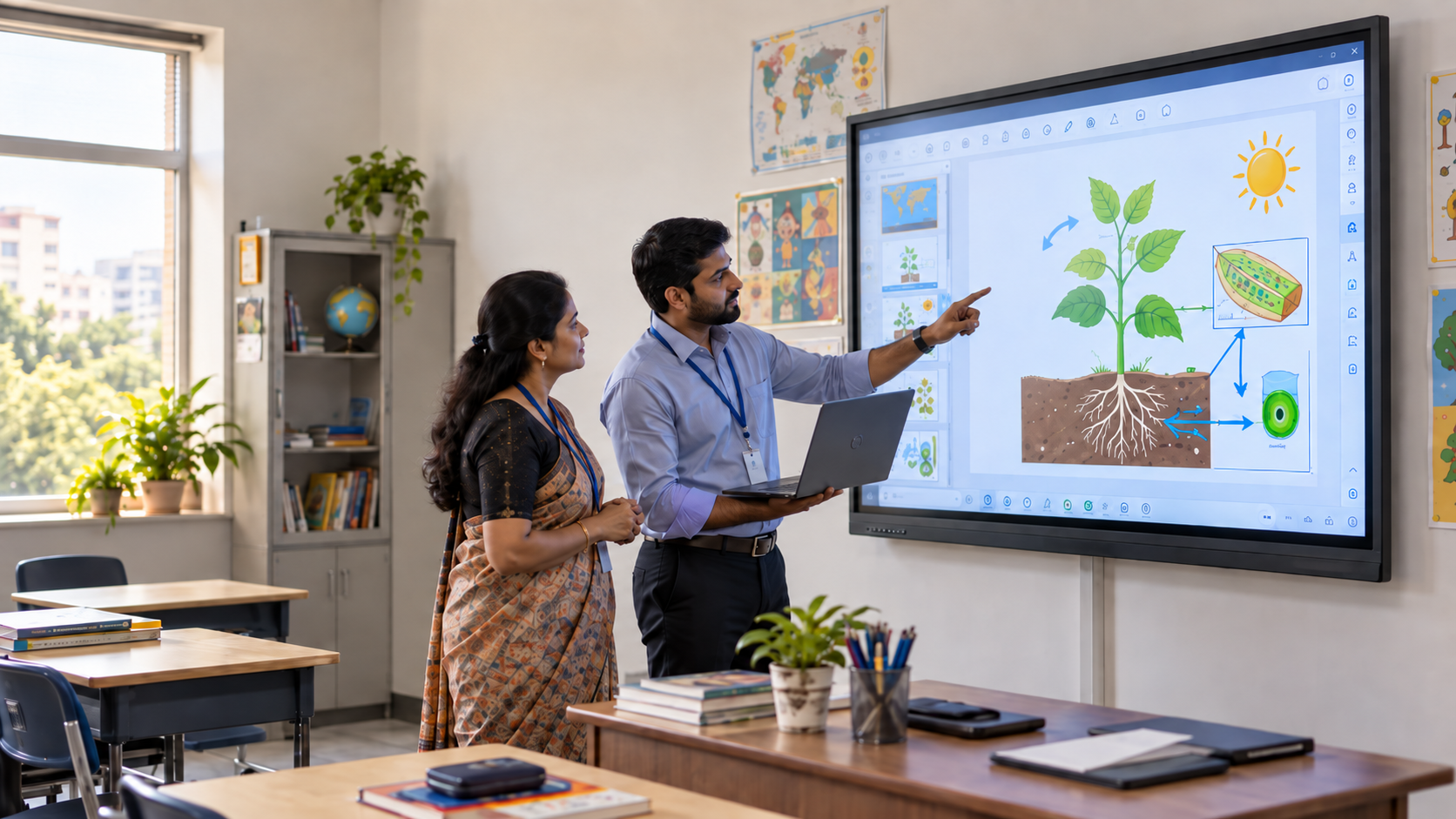
Interoperability is the ability of different devices and software applications to communicate instantly without manual intervention. It means an educator can walk into a room and start teaching right away. The main display recognizes the computer immediately. The attendance software syncs with the central database automatically. Everything simply works together to support the lesson.
2. Hardware vs Software Integration
There are two main layers to this technological concept. Software integration ensures that student data flows securely between different learning management applications. Hardware integration ensures that your physical smart classroom equipment communicates smoothly across the board. This includes interactive projectors, digital cameras, and wireless microphones. Both layers must function perfectly together to avoid sudden lesson disruptions.
3. The Shift Beyond Basic Setup
Many schools mistakenly think they have upgraded their infrastructure just by mounting a digital board on the wall. But a basic screen does not create a holistic learning ecosystem. A true smart classroom requires connected tools that actively reduce the daily workload for educators. This important shift transforms classroom technology from a potential distraction into a highly valuable teaching partner.
The Hidden Costs of Disconnected Technology
Failing to prioritize interoperability leads to massive operational inefficiencies. These hidden costs negatively impact the entire educational institution over time.
1. Wasted Classroom Time
Every minute a teacher spends adjusting cables is a minute stolen from the smart classroom learning experience. Disconnected systems force educators to become amateur IT technicians right when the bell rings. They struggle to switch between presentation slides and external video conferencing tools. These daily technical delays quickly add up to hours of lost instructional time every single month.
2. The Burden of Shadow IT
Teachers often get frustrated when official school systems fail to connect easily. They might start using unvetted and unapproved third-party applications to get their work done. This risky practice may create data security vulnerabilities for the institution. It also means the school completely loses track of where sensitive student data is being stored and shared.
3. Frustrated IT Departments
Maintaining a highly fragmented digital classroom setup is an absolute nightmare for technical teams. IT staff have to constantly troubleshoot dozens of different hardware brands spread across the entire campus. Updating software on disconnected devices requires manual intervention for every single room. This constant cycle of emergency maintenance severely drains school resources and financial budgets.
Why Interoperability Is the Backbone of Education
A connected smart classroom ecosystem provides clear and measurable benefits that go well beyond basic convenience. It fundamentally changes how schools operate and how educators deliver knowledge.
1. Streamlines the Teacher Experience
A fully integrated smart classroom allows for powerful single sign-on capabilities. Teachers log in once and gain instant access to all their approved lesson plans and grading tools. They no longer have to juggle multiple remote controls or remember endless administrative passwords. This newfound freedom allows them to focus entirely on delivering engaging and impactful lessons to their students.
2. Upgrades the Hybrid Learning Environment
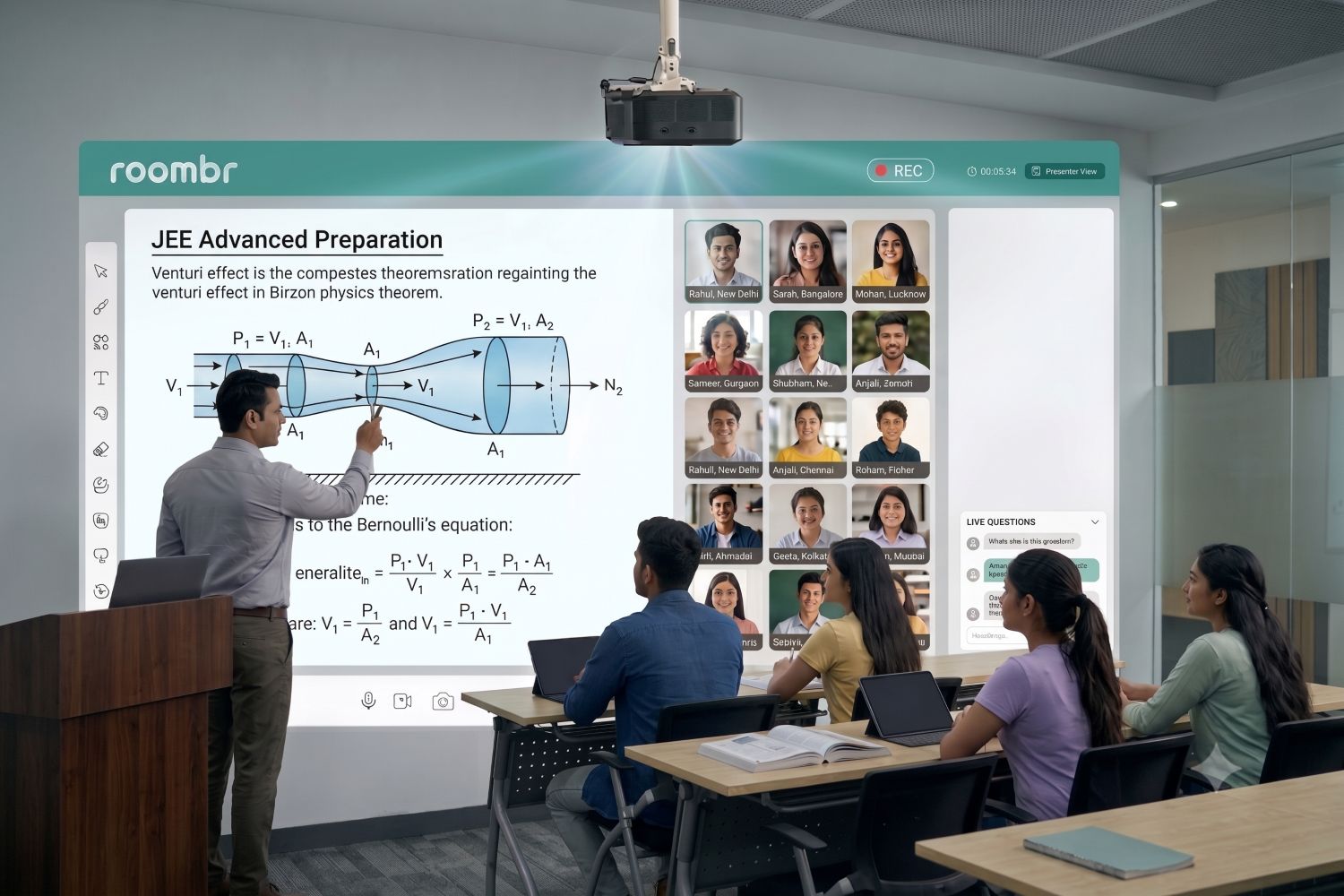
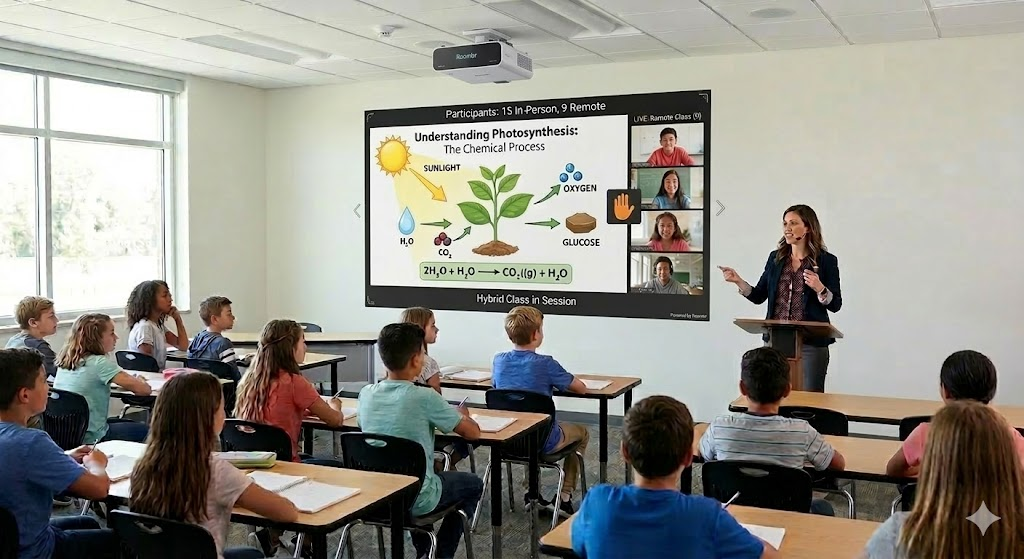
Modern education now extends far beyond the four physical walls of the school building. Connected cameras and synchronized audio systems are vital for successful hybrid learning. A unified smart classroom ensures that remote students hear and see the lecture perfectly. The integrated technology automatically tracks the teacher and captures high-quality audio without manual adjustments. This guarantees equal learning opportunities for every enrolled student.
3. Secures Student Data
Standardized digital platforms effectively protect sensitive institutional information. When all smart classroom tools operate on a unified and secure network, administrators can easily control data access. IT departments can monitor who logs in and what specific information they view. This centralized security approach helps forward-thinking schools comply with strict data privacy regulations.
How to Achieve a Unified Digital Ecosystem
Transitioning to a fully connected environment requires careful and strategic planning. School leaders must rethink how they currently purchase and deploy educational technology.
1. Assess Your Current Setup
The first practical step is conducting a thorough and honest technology audit. Identify the specific bottlenecks in your current campus infrastructure. Look for devices that frequently fail to connect with the central school network. Understanding these daily pain points helps administrators make informed and targeted decisions about future upgrades.
2. Prioritize All-in-One Solutions
The easiest way to achieve true interoperability inside your smart classroom is to eliminate fragmented devices. Modern classroom solutions combine robust computing power and visual components into a single interactive unit. Choosing integrated hardware actively removes the risk of long-term compatibility issues. It gives your school a highly reliable and centralized platform from day one.
3. Foster IT and Academic Collaboration
Important technology decisions should never happen in total isolation. IT directors must work closely with academic curriculum heads to find the best path forward. Teachers naturally need digital tools that are intuitive and easy to use. IT departments need systems that are highly secure and easy to manage remotely. Bringing both distinct teams together ensures you invest in a smart classroom that everyone wants to use.
Moving Toward Future-Proof Education
Building a modern educational campus is an ongoing and evolving journey. Educational leaders must look beyond temporary hardware fixes and invest in sustainable technological frameworks.
Adapting to New Learning Trends
Educational technology will absolutely continue to evolve at a rapid pace. A highly interoperable smart classroom is naturally adaptable to these upcoming changes. It allows ambitious schools to adopt new teaching methods without having to replace their expensive core infrastructure every few years.
Maximizing the Value of Educational Investments
Institutions that proactively prioritize connected ecosystems consistently see a much higher return on their investment. They spend significantly less time troubleshooting glitches and much more time teaching students. By choosing scalable and unified platforms, schools can confidently prepare their students for a successful digital future.
Ready to stop dealing with disconnected devices and endless cables on your campus? Explore how an all-in-one smart classroom ecosystem can simplify your IT maintenance and empower your teachers today.

Foziya Abuwala
Share
Step Into the future of
Education with Roombr