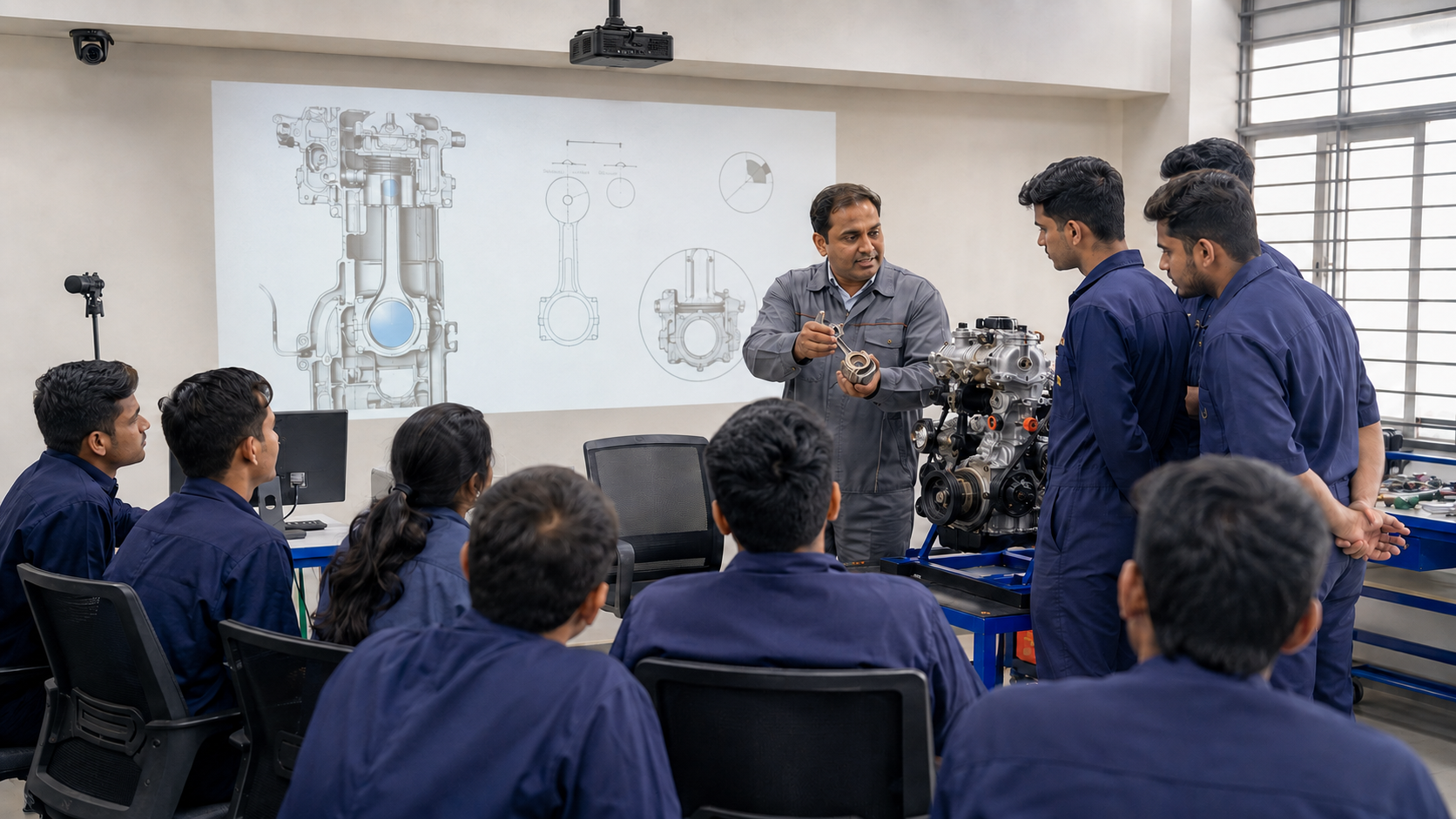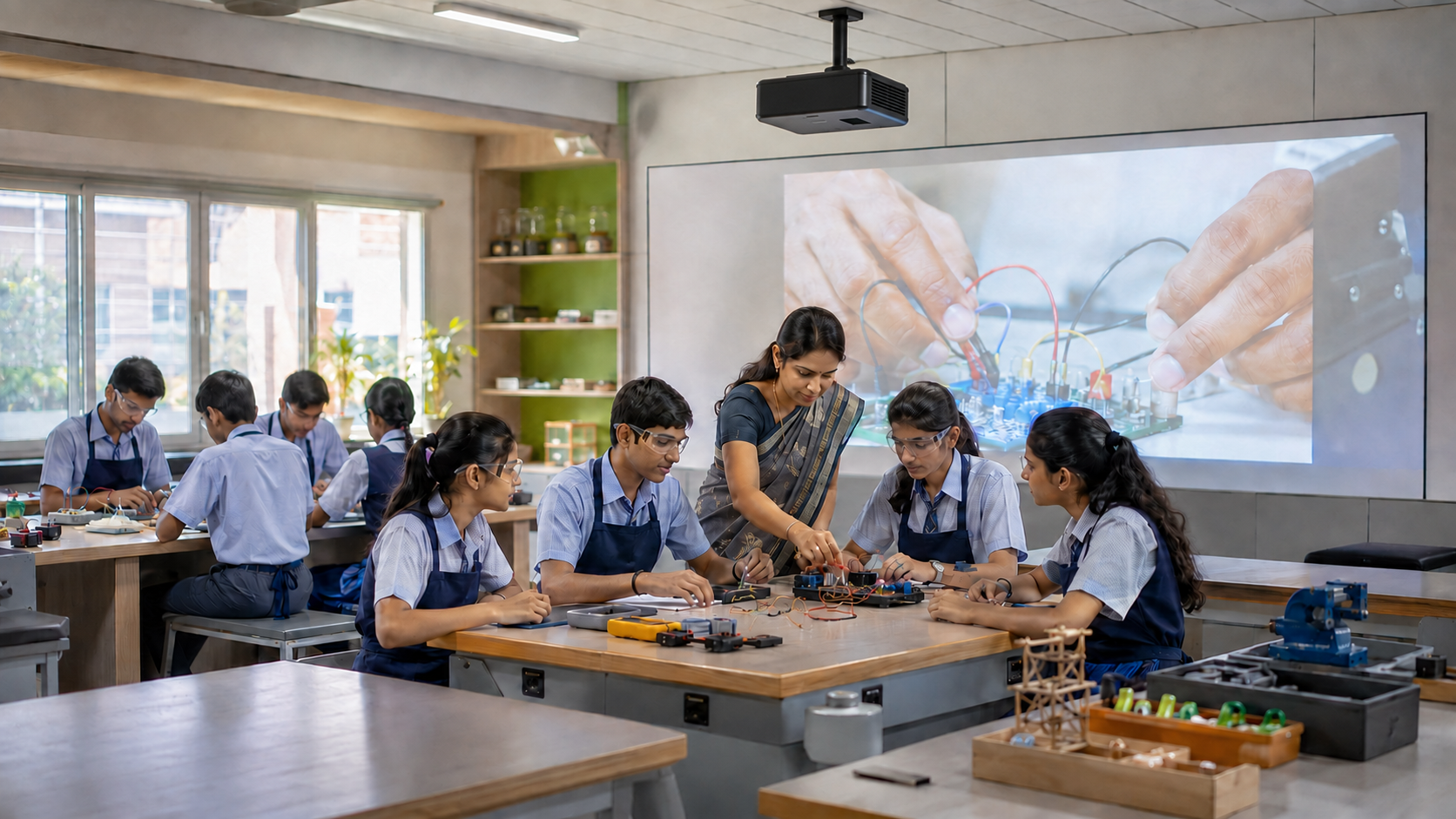


Schools across India are entering a different phase of the technology conversation.
For years, education leaders have discussed digital adoption in terms of devices, software, and online access. But CBSE’s 2026 push around Computational Thinking and AI changes the conversation. Now the question is not whether students should be exposed to AI. The real question is what they should actually understand about it.
That shift matters because the future of emerging technologies in education is not just about introducing more tools into schools. It is about helping students think better, question better, and use technology more responsibly.
Why This Matters Now
A year ago, many schools were still treating AI as a future topic.
Now it is becoming part of mainstream academic planning.
That is a big difference.
When AI enters school-level curriculum conversations, it stops being a novelty. It becomes part of how institutions think about learning readiness, teaching quality, digital responsibility, and long-term student outcomes. That is why this discussion sits naturally within innovation in education and not just within edtech trend lists.
For Indian schools, this also comes at the right time. Students are already seeing AI outside the classroom. They encounter it in search, video platforms, writing tools, coding platforms, and productivity apps. If schools do not teach them how to understand and evaluate these systems, students will still use them, but without the right judgment.
That is where digital technology in education has to become more thoughtful. Exposure alone is not enough. Schools need clarity.
What AI Literacy Means in a School Setting
Many people still confuse AI literacy with AI usage.
They are not the same thing.
A student who can type a prompt and get an answer is not necessarily AI literate. A student who can question that answer, spot what is missing, understand why bias may appear, and use the tool responsibly is much closer to real literacy.
In school terms, AI literacy should include:
- Understanding what AI is in simple, age-appropriate language
- Knowing that AI works on data and patterns, not human judgment
- Checking whether AI-generated output is accurate
- Recognizing privacy, plagiarism, and bias concerns
- Using AI as a support tool rather than a shortcut
That is the difference between shallow use and meaningful learning.
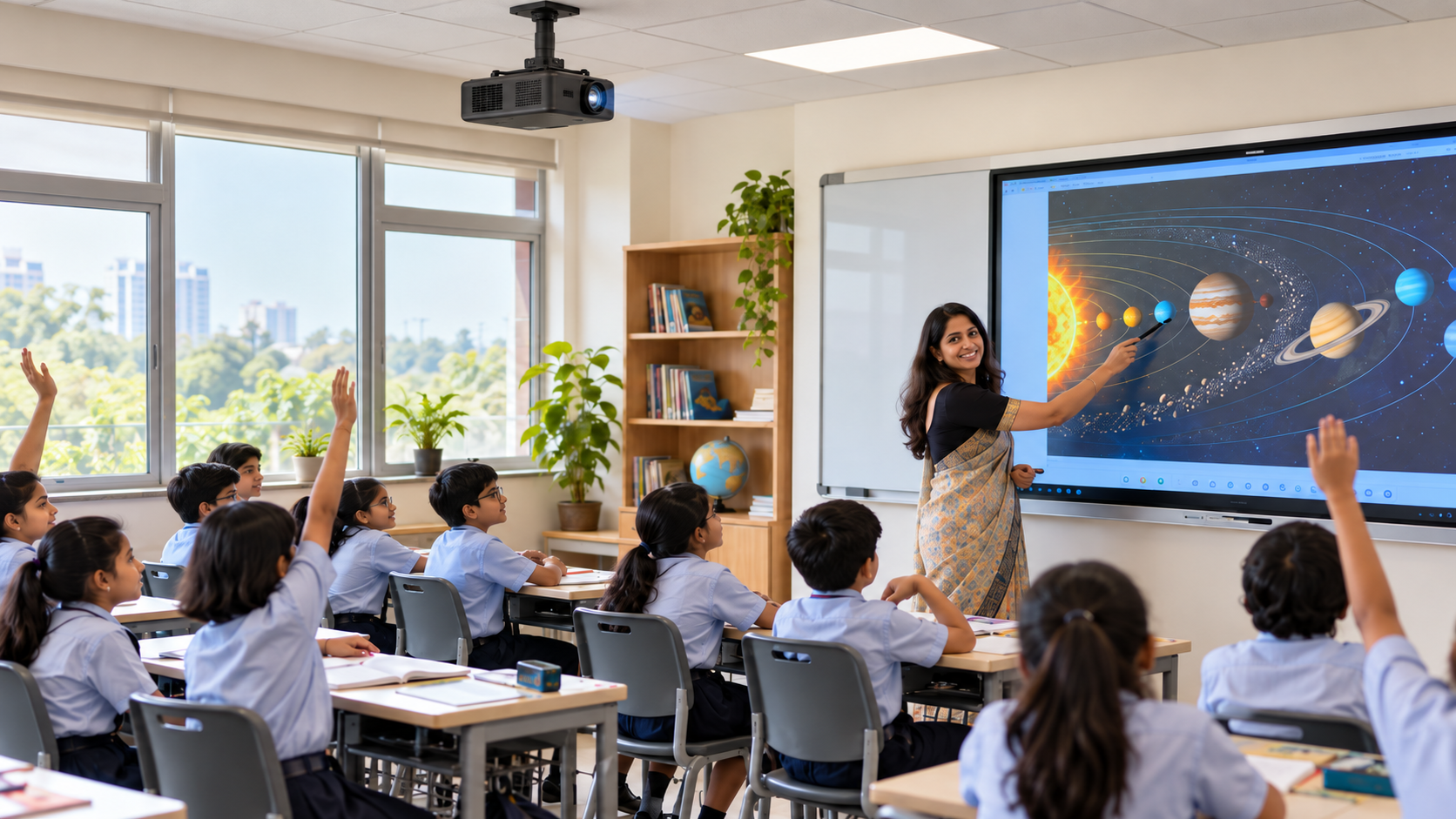
This is where technology in the classroom needs to be framed properly. The goal is not to fill classrooms with trendy tools. The goal is to create learners who can use those tools intelligently.
The Five Things Schools Should Teach
1. Computational Thinking Comes First
Many schools overlook this step.
Before students can meaningfully understand AI, they need to develop the habits that make AI understandable in the first place. That includes pattern recognition, sequencing, logic, problem breakdown, and structured reasoning.
For example, when a student learns to break a science process into steps or identify patterns in a maths problem, that student is already building a base for future AI understanding.
This is one reason emerging technologies in education should not be taught in isolation. They work best when linked to thinking skills.
2. Students Need a Simple Understanding of How AI Works
Schools do not need to turn every child into a machine learning expert.
But students should know one important truth: AI does not “know” in the human sense. It identifies patterns, predicts likely outputs, and generates responses based on data and training.
That basic understanding alone can prevent blind trust.
It also supports more grounded innovative teaching methods, because once students understand AI as a system with strengths and limitations, teachers can build smarter classroom discussions around it.
3. Students Must Learn to Question AI Output
This may be the most valuable part of AI literacy.
If a student asks an AI tool to explain photosynthesis, summarize a history chapter, or draft a paragraph, the real learning should not end with the answer. The next step should be:
- Is this accurate?
- Is anything oversimplified?
- Is something important missing?
- Would a textbook or teacher explain it differently?
That habit of checking matters more than the speed of getting the answer.
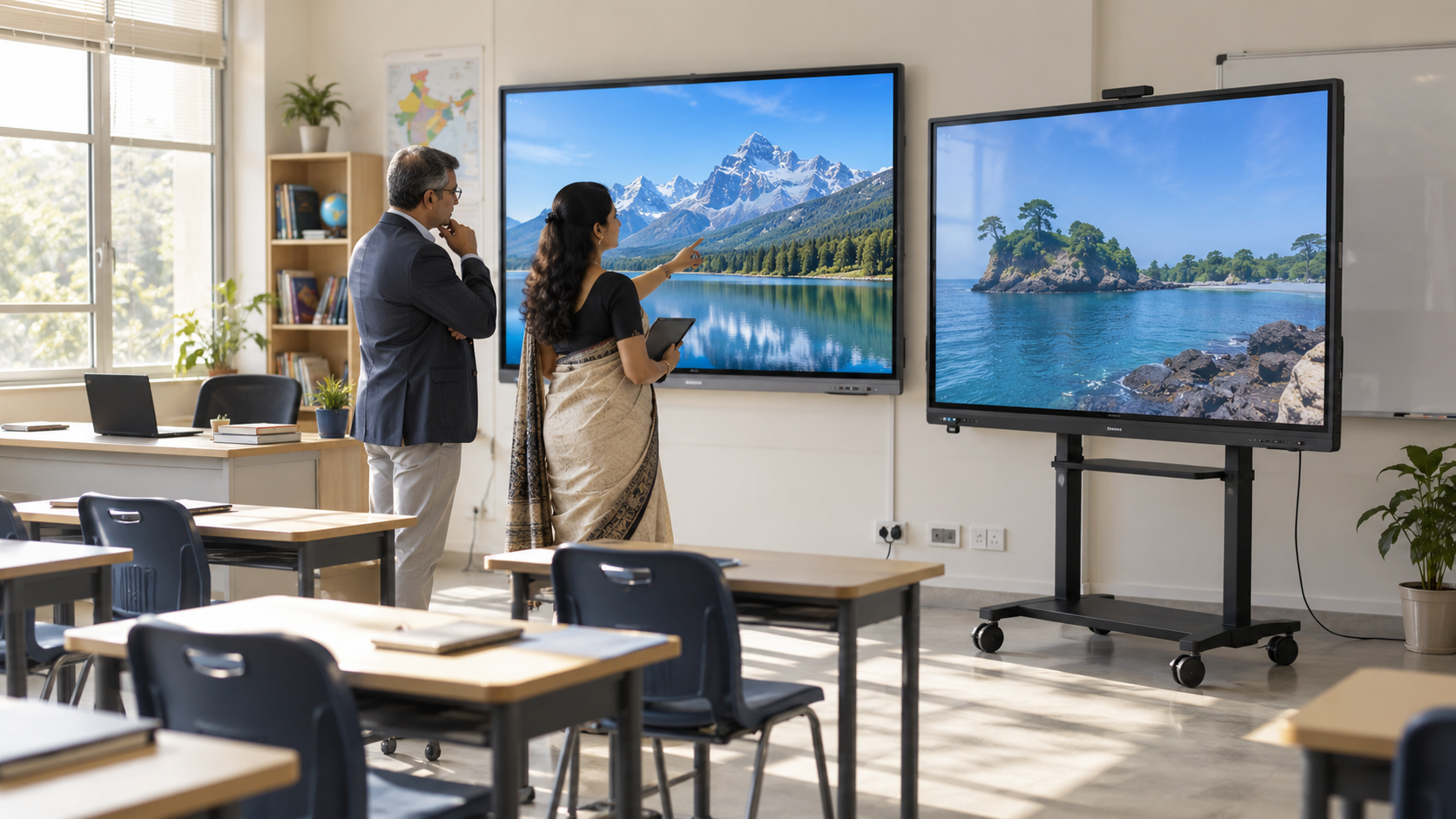
In real classrooms, this can be taught through comparison tasks. A teacher can show an AI-generated explanation beside a textbook explanation and ask students to identify gaps. That is far more useful than simply celebrating the tool.
4. Ethics and Responsibility Cannot Be Optional
If schools teach AI without teaching responsibility, they are only doing half the job.
Students need to understand:
- When AI support becomes plagiarism
- Why private or sensitive data should not be entered casually
- How bias can affect outputs
- Why not every polished answer is a trustworthy one
This is where innovation in education has to stay connected to values, not just efficiency.
A practical school rule might be simple: AI can support brainstorming, revision, and explanation, but it should not replace thinking, authorship, or accountability.
5. AI Literacy Should Show Up Across Subjects
Schools often make the mistake of treating AI as a separate technical topic.
That usually weakens adoption.
AI literacy works better when it appears naturally across learning contexts:
- In English, students can compare human writing and AI writing for tone, originality, and depth.
- In Science, they can discuss how prediction systems work.
- In Social Science, they can explore fairness, bias, and decision-making.
- In Mathematics, they can strengthen logical and step-based reasoning.
This is where digital technology in education becomes more than infrastructure. It becomes part of classroom thinking.
What AI Literacy Should Look Like at Different Stages
Schools should not teach AI literacy the same way at every level.
That progression is much healthier than rushing into flashy demonstrations. Good technology in the classroom should deepen learning gradually, not overwhelm it.
Common Mistakes Schools Should Avoid
A lot of schools may get interested in AI quickly, but move too fast in the wrong direction.
Common mistakes include:
- Teaching prompts before teaching judgment
- Introducing tools without teacher readiness
- Ignoring privacy and academic honesty
- Making AI a one-time workshop topic
- Assuming exposure equals literacy
The better approach is slower, clearer, and more integrated.
That is also how emerging technologies in education become useful instead of distracting.
What Schools Should Do Next
For schools trying to respond to this shift, the starting point need not be complicated.
A practical path looks like this:
- Train teachers first.
- Build AI literacy into existing classroom practice.
- Set clear usage boundaries for students.
- Use visible, collaborative teaching environments where discussion and guided review are possible.
That last step plays a bigger role than many schools assume.
AI literacy is not built through isolated screen use. It grows through explanation, questioning, comparison, and reflection. That is why strong classroom environments still matter. Even in a world shaped by emerging technologies in education, the teacher remains central.
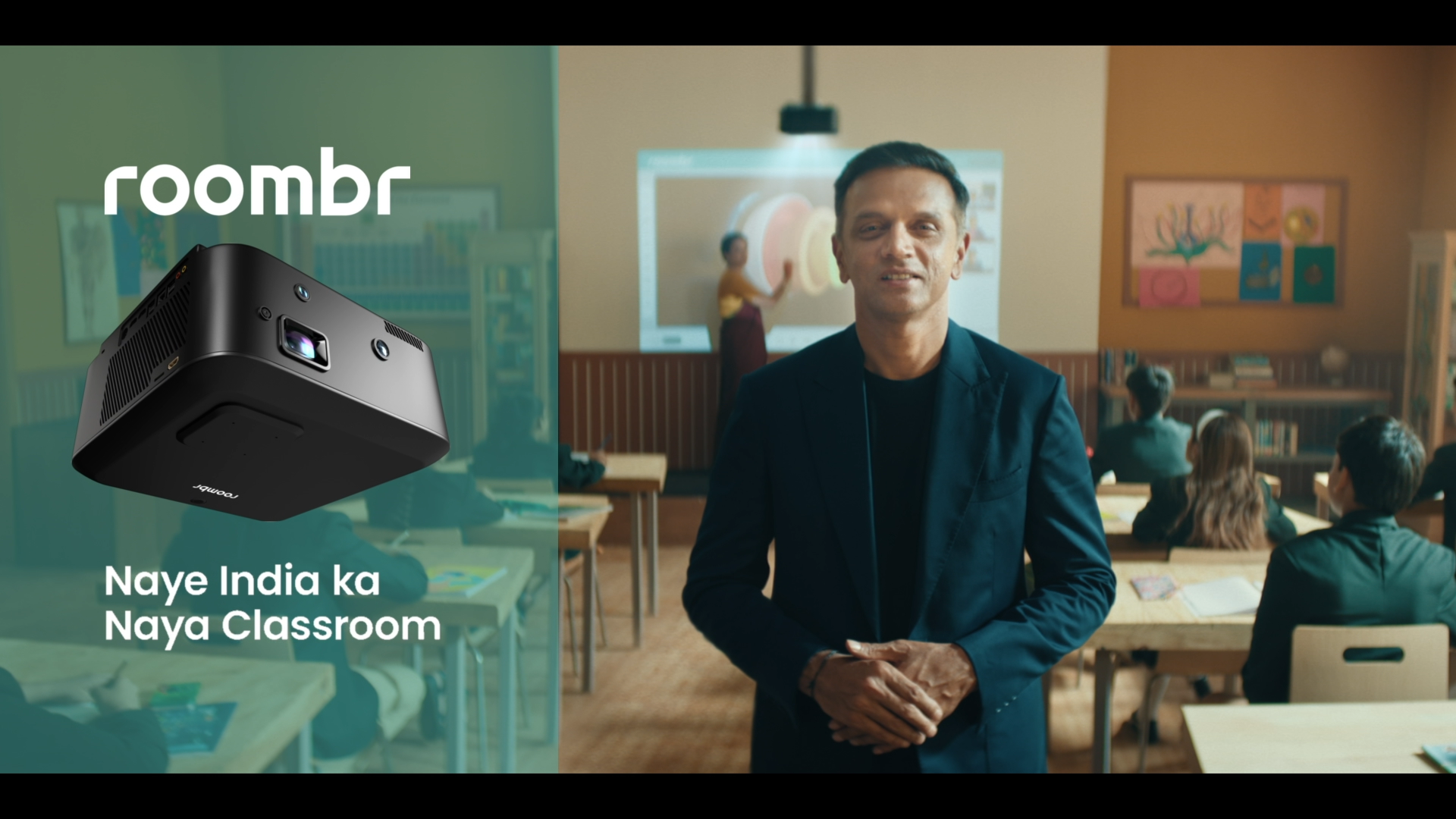
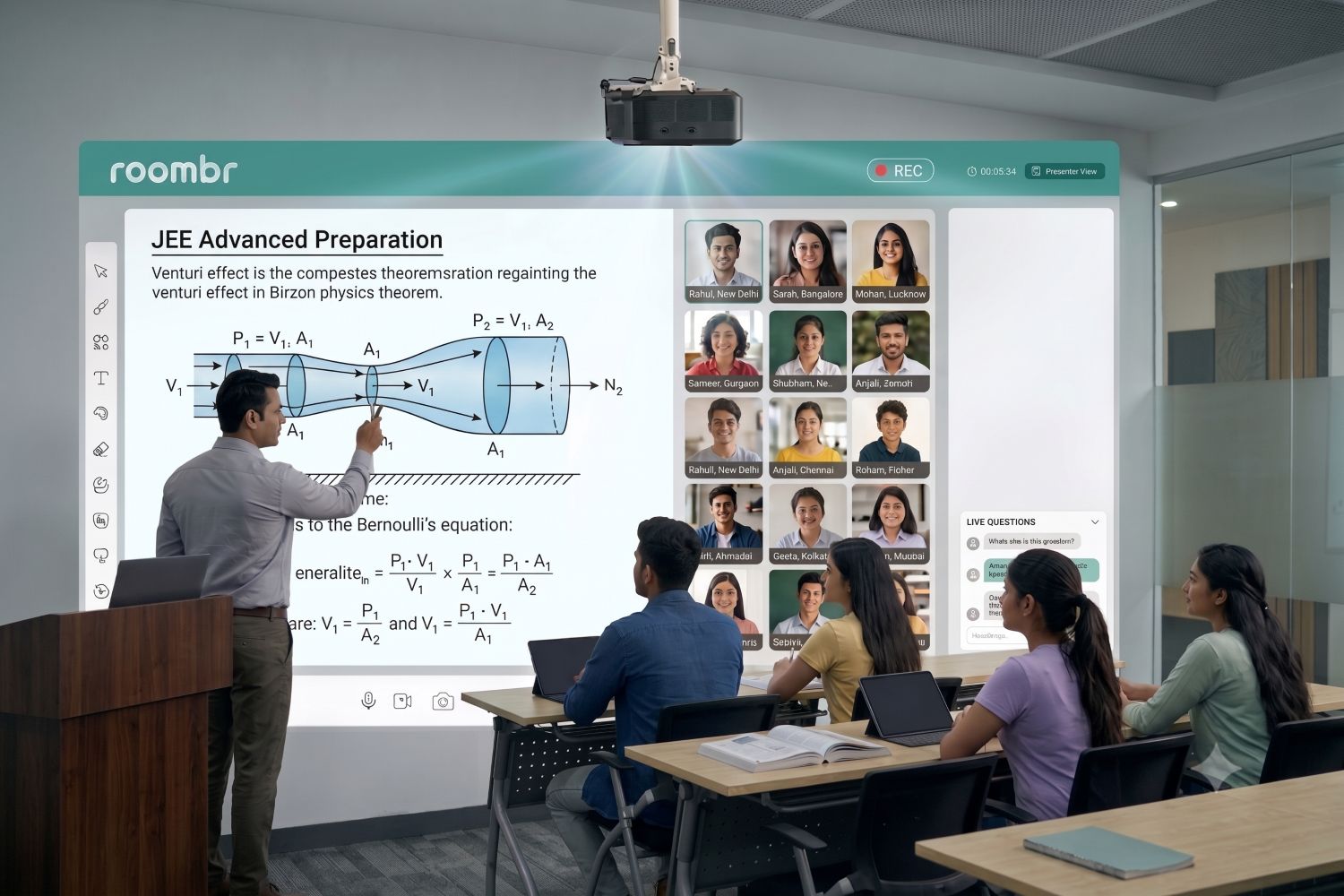
As Indian schools prepare for a more AI-aware future, Roombr is helping make that shift more practical, immersive, and classroom-ready. By combining interactive teaching, AI-enabled learning support, lesson recording, and a unified digital classroom experience, Roombr supports the kind of thoughtful, future-focused learning this moment demands. If your institution is exploring what next-generation teaching can look like in practice, Roombr is worth a closer look.
Explore how Roombr supports future-ready classrooms

Foziya Abuwala
Share
Step Into the future of
Education with Roombr