
Schools rarely struggle because they have no data. They struggle because they spot the problem too late.
A student may attend every class and still miss the core concept. Another may do well in classwork but stop engaging after school. A full section may finish a chapter without building real understanding. In many schools, these gaps show up only after a test, a report card, or a parent meeting. By then, the class has already moved ahead, pressure has increased, and remedial teaching becomes harder to plan well.
This is where the right features of a smart classroom matter. The best systems do much more than display lessons on a screen. They help schools capture early signals, connect classroom patterns, and respond before weak understanding turns into poor performance. When used well, a smart classroom becomes a decision-support environment for teachers, coordinators, and school leaders.
Why Schools Often Miss Learning Gaps Until It Is Too Late
Most learning gaps do not begin with a failed exam. They begin with smaller signs that are easy to miss. A student hesitates during live questioning. Another repeats the same mistake in short responses. A few students stop revisiting lesson material after class. One section performs well on recall but struggles with application.
These signs matter because they appear before formal underperformance.
The problem is that schools often track them in separate places. Attendance sits in one system. Quiz results sit in another. Teacher observations stay in notebooks or memory. Recorded lessons may exist, but no one checks who revisits them. This creates a fragmented view of student progress.
That fragmentation slows action. Teachers have limited time. Academic coordinators cannot manually compare every section. Principals need to know whether the issue is isolated to one learner, one concept, one classroom pattern, or one entire grade.
Features of a Smart Classroom Educators Look for to Spot Learning Gaps Early
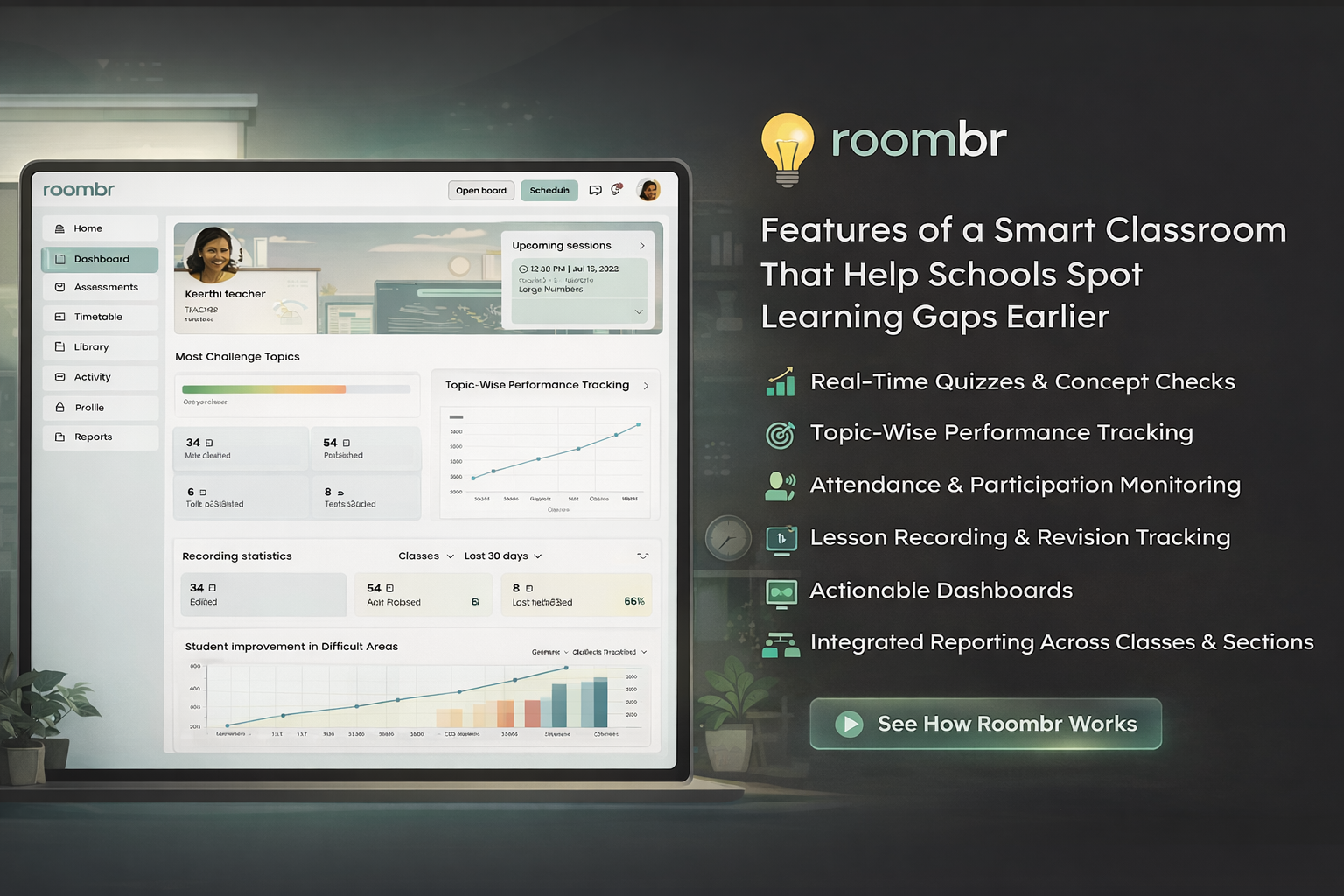
1. Real-Time Quizzes and Concept Checks
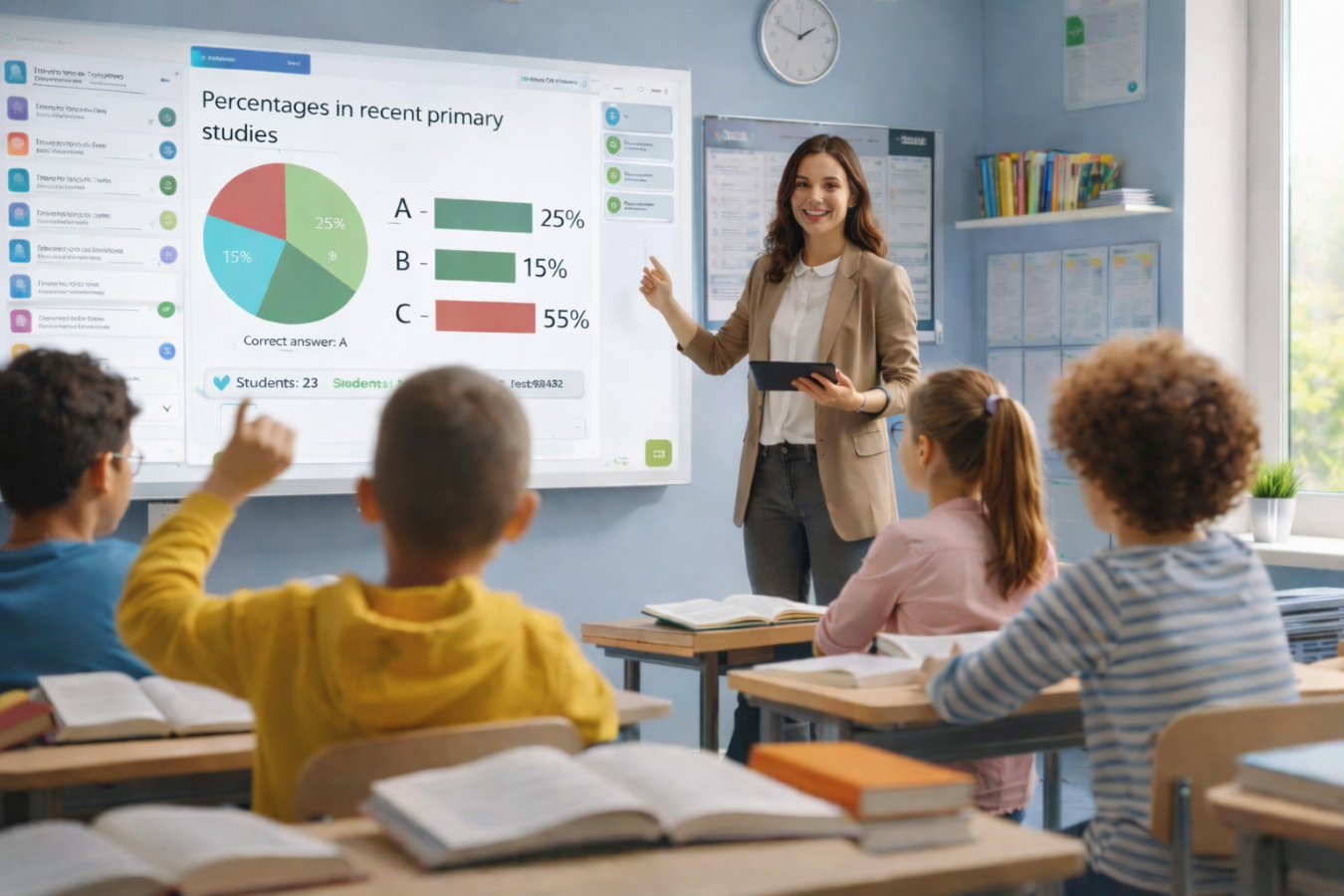
These are among the most valuable features of a smart classroom because they help teachers check understanding while the lesson is still in progress. Instead of waiting for a worksheet, class test, or weekly review, teachers can see immediately whether students have understood the concept being taught. If many students choose the same wrong answer, it often points to a shared misconception rather than individual carelessness. That allows the teacher to pause, adjust the explanation, and correct the issue before the class moves ahead.
2. Topic-Wise Performance Tracking
This feature helps schools see exactly where the gap sits. A student may not be weak in the full subject, but may be struggling with one chapter, one concept, or one skill area. Topic-wise tracking gives teachers and coordinators a clearer view of what needs attention. It helps schools move from broad statements about weak performance to more specific academic action, which makes support more focused and effective.
3. Attendance and Participation Monitoring
Attendance alone does not show whether a student is truly engaged. A learner may be physically present in class and still miss key concepts or avoid active involvement. When participation is tracked alongside attendance, teachers can identify students who are present but gradually slipping academically. This gives schools a better view of early warning signs and helps them respond before the problem becomes more serious.
4. Lesson Recording and Revision Tracking
This feature helps teachers and coordinators understand what happens after the lesson ends. It shows which students revisit recorded lessons, skip revision material, or repeatedly return to the same topic. These patterns often reveal confusion before test scores begin to drop. They also help schools distinguish between students who need concept clarity and those who may need better academic follow-through.
5. Actionable Dashboards for Teachers and Coordinators
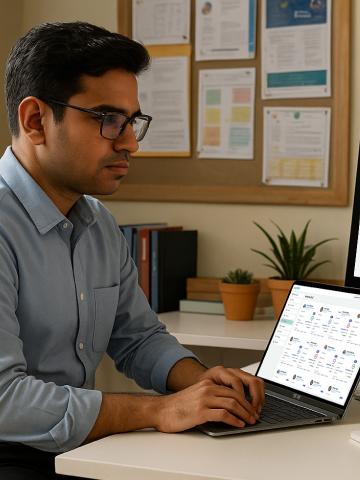
Dashboards are useful only when they make classroom signals easier to read and act on. A good dashboard should not overwhelm schools with scattered data. Instead, it should help teachers identify weak areas quickly and help coordinators spot patterns across classes. When the information is clear, schools can plan timely support, adjust pacing, and make better teaching decisions with less guesswork.
6. Integrated Reporting Across Classes and Sections
This feature gives academic leaders a broader view of performance patterns across the school. It becomes easier to compare sections, identify common weak topics, and see whether a learning gap is isolated or more widespread. This kind of visibility is especially useful for coordinators and principals who need to maintain academic consistency and plan interventions based on evidence rather than assumption.
What Schools Should Evaluate Before Buying a Smart Classroom Solution
If early gap detection is the goal, schools need to look beyond feature lists and product demos. They need to assess whether the solution will work consistently in real classrooms, support daily teaching workflows, and make it easier for teams to act on academic signals.
1. Ease of Teacher Adoption
Even the best platform will fail if teachers find it difficult to use. Schools should evaluate how quickly teachers can learn the system, how naturally it fits into classroom routines, and whether it reduces extra effort instead of adding to it.
2. Integration with Existing School Systems
A smart classroom solution should work smoothly with the school’s wider academic environment. That includes content sharing, reporting workflows, and student data systems. Poor integration creates gaps in visibility and slows decision-making.
3. Quality of Insights
Schools should not just ask whether the platform provides data. They should ask whether the insights are clear enough to support action. A useful system helps teachers and coordinators understand what needs attention next, without forcing them to sort through scattered reports.
4. Visibility for Academic Leaders
School leaders need more than a classroom-level view. They should be able to compare sections, monitor trends across grades, and identify whether a problem is limited or more widespread. This matters for planning interventions and maintaining academic consistency.
5. Scalability Across Classrooms and Campuses
A solution may work well in one classroom but become difficult to manage at scale. Schools should assess whether it can support multiple sections, subjects, grades, and campuses without creating extra administrative burden.
6. Training and Ongoing Support
Implementation does not end after installation. Schools should evaluate what kind of onboarding, teacher training, and post-deployment support the provider offers. Strong support improves adoption and helps schools get real value from the investment.
7. Long-Term Practical Value
Schools should also consider whether the solution will remain useful as academic needs grow. A good platform should support consistent teaching, timely intervention, and better coordination over time, not just deliver a short-term technology upgrade.
In short, schools should evaluate not only what a smart classroom solution offers, but also how well it can be adopted, managed, and used to support better academic decisions every day.
Common Mistakes Schools Make with Classroom Data
Many schools already collect useful data. The problem is what happens next.
One mistake is relying only on exam results. By then, the signal is already late.
Another is tracking too many metrics without linking them to action. When everything is measured, teams often lose sight of what matters most.
A third is using disconnected systems. Even strong data loses value when teachers and leaders cannot see the full learner picture.
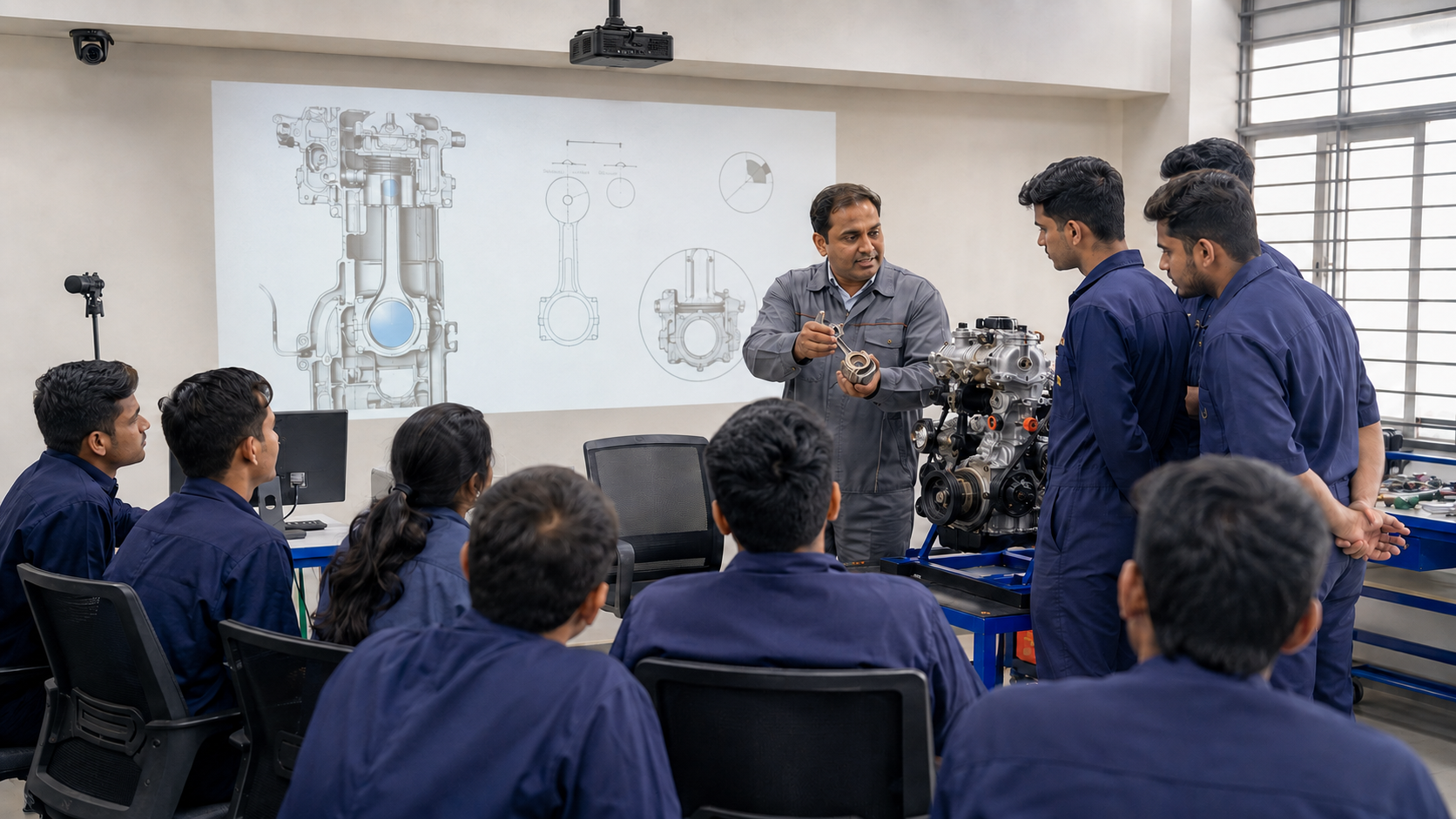
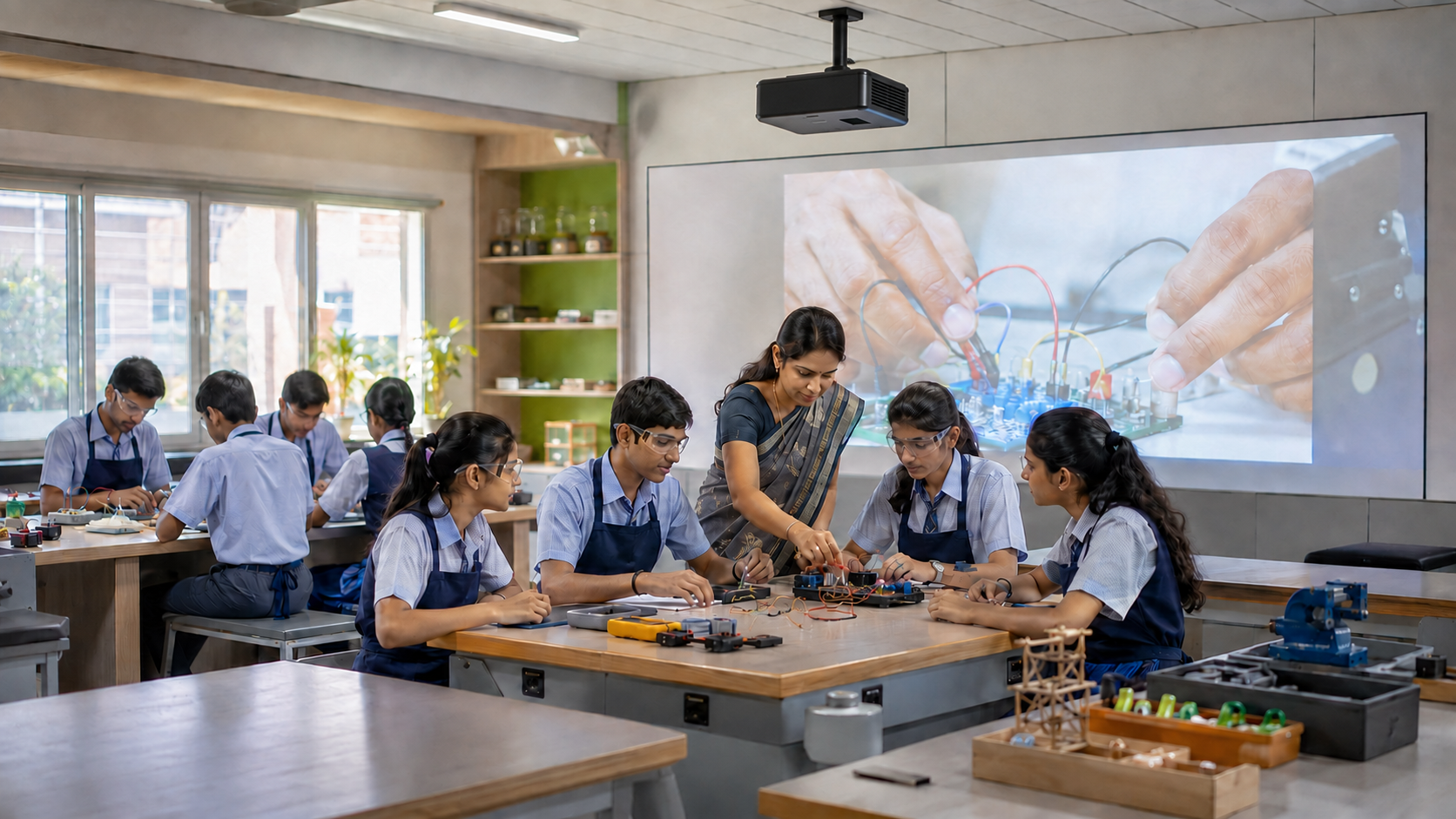
Another common mistake is buying technology for presentation, not intervention. Schools focus on screens, boards, and visuals, but overlook the features of a smart classroom that help identify weak understanding early.
A better approach is simpler. Capture a few strong signals. Connect them clearly. Use them to guide timely action.
Final Thoughts
The most useful features of a smart classroom are not the ones that look impressive in a product demo. They are the ones that help schools spot learning gaps while there is still time to respond.
A well-designed classroom helps teachers see weak understanding sooner, helps coordinators compare patterns more clearly, and helps school leaders plan support with better evidence. A connected digital classroom also makes remedial teaching more precise because it shows where the gap is, who needs help, and what kind of support is needed.
That is what makes advanced capability valuable. The right smart classroom solutions do not just digitise teaching. They strengthen the decisions around it.
If your school is evaluating its next step in classroom technology, do not ask only what the system can display. Ask whether the features of a smart classroom can help your team spot gaps earlier, act faster, and support better learning outcomes.
See How Roombr Brings Teaching, Learning, Assessment, and Academic Tracking Together
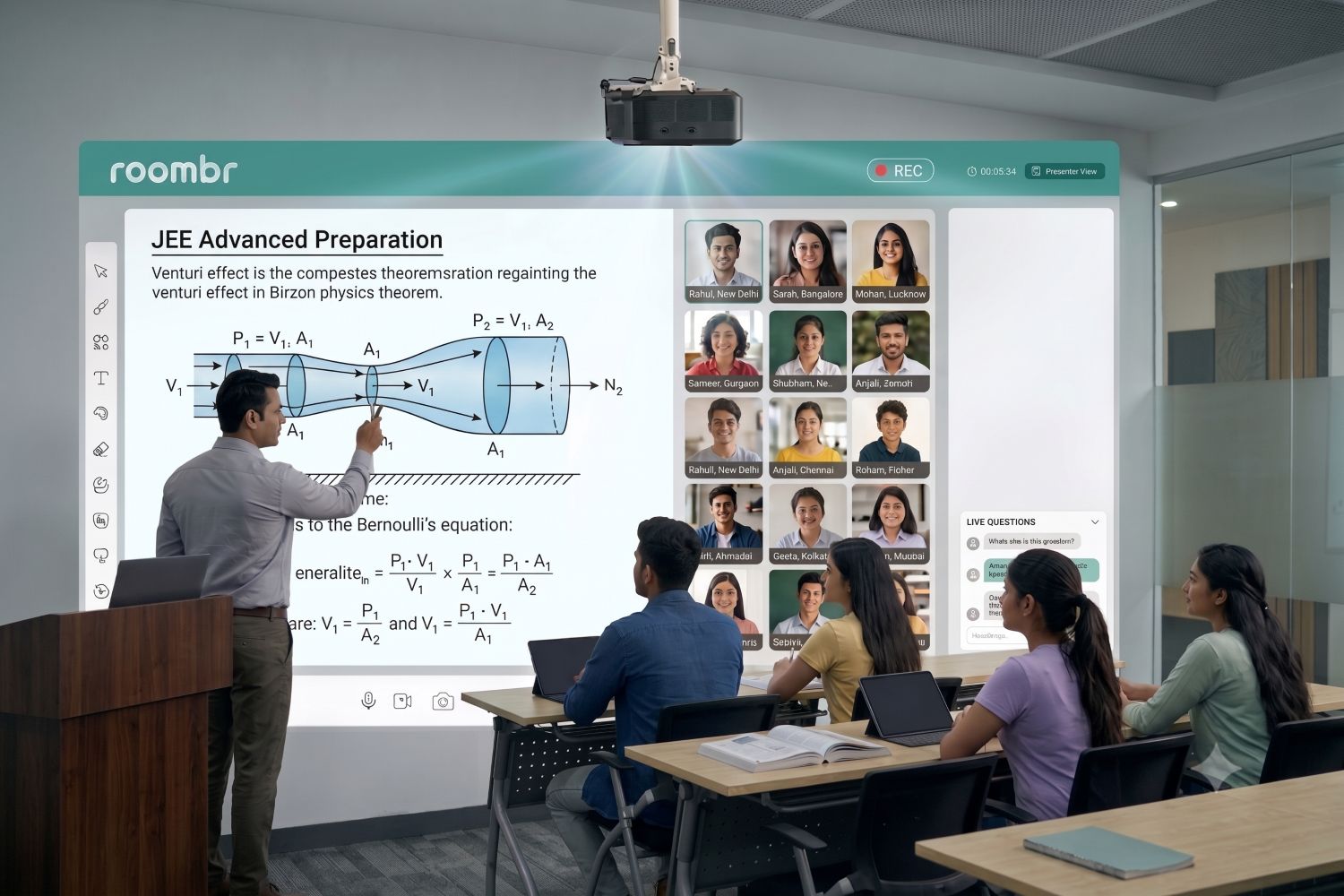
Roombr gives schools and colleges an all-in-one AI-powered LMS built for real classroom needs, not scattered workarounds. It combines interactive whiteboarding, built-in video conferencing, screen sharing, chat, lesson recording, AI-powered editing, assessments, lesson publishing, and real-time dashboards in one unified platform.
It also supports AI teacher agents for lesson planning and class organization, AI student agents for doubt-solving and personalized support, and an integrated LMS + ERP setup for curriculum, timetable, workflow, and user management.
That means educators do not have to jump between disconnected tools to teach, track progress, manage classes, and support students. If your institution wants a more connected, intelligent, and scalable digital classroom, Roombr helps turn everyday teaching into a more structured, data-aware, and outcomes-focused learning experience. Book a demo now to understand our holistic approach.

Foziya Abuwala
Share
Step Into the future of
Education with Roombr