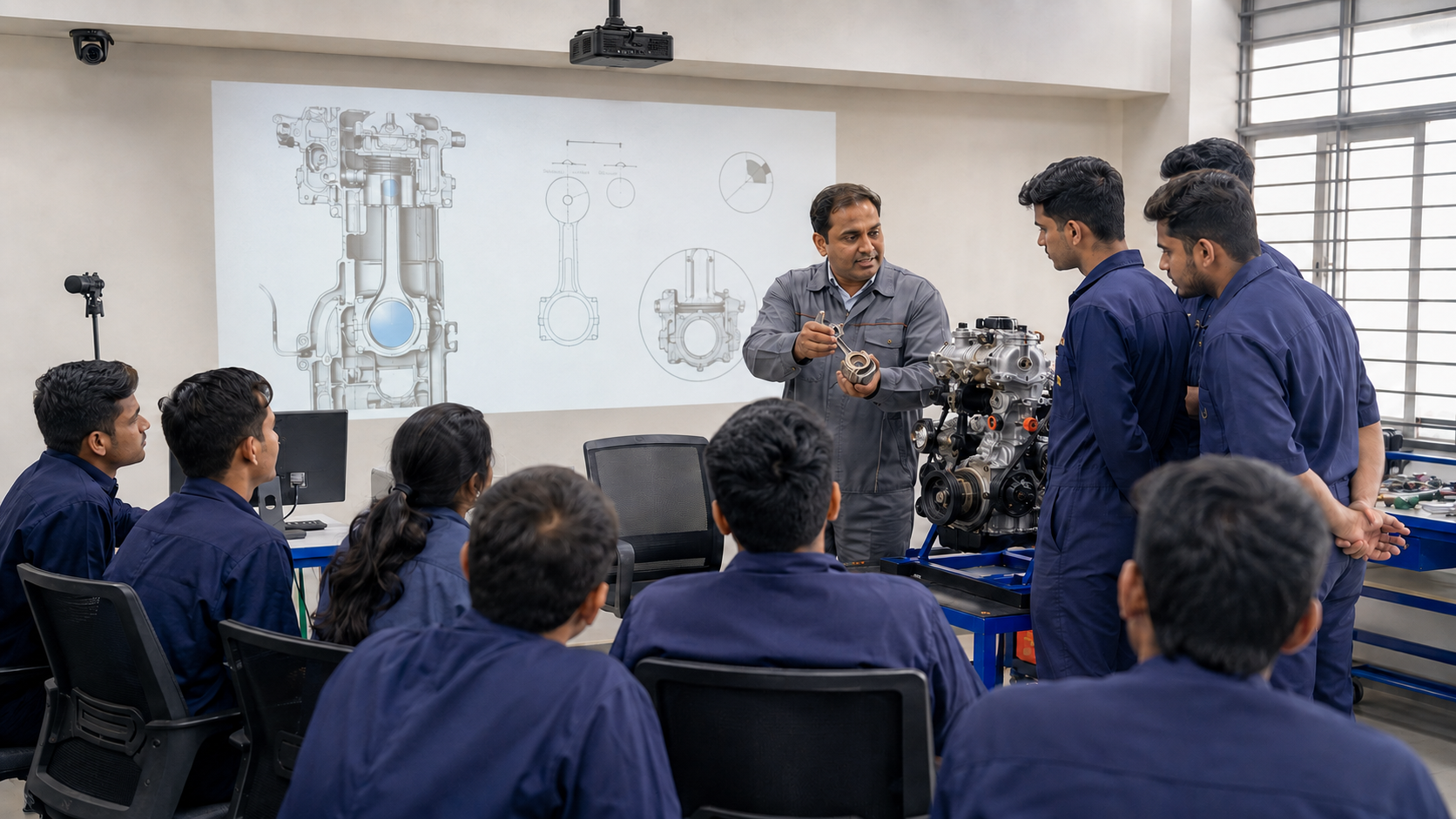


India’s higher education accreditation landscape is moving through a major structural shift. The reform direction announced by UGC (University Grants Commission) and NAAC (National Assessment and Accreditation Council) moves away from a purely grade-based model toward Binary Accreditation and Maturity-Based Graded Levels (MBGL), with a stronger emphasis on institutional maturity, transparency, outcomes, and data-backed verification.
The official reform note also states that the system is designed around trust and data, with minimal visits for verification, stakeholder validation, and a new One Nation One Data Platform concept to improve authenticity and consistency of institutional data.
For Higher Education Institutions (HEIs), this is not just a compliance update. It changes how colleges must think about teaching, documentation, governance, classroom technology, and academic evidence. Institutions that once focused mainly on infrastructure ownership and end-of-cycle paperwork now need continuous systems that can demonstrate what happens in classrooms every day.
That is where smart classrooms become strategic. Not as a “nice-to-have,” but as a practical layer of academic infrastructure that supports teaching-learning quality, records activity, and makes evidence easier to maintain across the year.
The Strategic Shift to Binary Accreditation and MBGL
Understanding the Transition from Traditional Grades to Binary Accreditation
For years, Indian institutions have associated NAAC with letter grades such as A++, A+, and similar outcomes. The reform direction announced by UGC proposes a different starting point: Binary Accreditation, where institutions are classified first as either Accredited or Not Accredited before moving to advanced grading levels. The goal is to broaden participation and create a stronger quality culture across the higher education ecosystem.
This matters because it changes the way institutions prepare. Instead of chasing a grade through periodic compliance, higher education institutions must build consistent academic systems that can withstand a more transparent and evidence-heavy evaluation model.
The Five Maturity Levels and the Goal of Global Excellence
Alongside the binary model, NAAC’s reform direction includes Maturity-Based Graded Levels. The official note states that these maturity levels are intended to be implemented in phases and are tied to a more mature institutional ecosystem. The destination is not just accreditation status, but a journey toward stronger academic quality and global competitiveness.
For colleges and universities, this means the new question is no longer only, “Are we accredited?” It becomes, “How mature is our institution in teaching, governance, data integrity, student engagement, and outcomes?”
How the New Data-Driven Framework Changes Expectations
Reduced Manual Intervention and Greater Digital Verification
The reform note is very clear on one point: the future model depends more heavily on trust, data, and verification than on manual processes. NAAC/UGC explicitly mentions a system with minimal visits to an institution for verification, supported by data cross-checking and accountability for incorrect submissions.
That is a major shift for higher education institutions. Paper logs, scattered spreadsheets, and last-minute evidence collection are no longer enough. Institutions will need systems that generate evidence continuously and reliably during normal academic operations.
What Data Cross-Checking and Stakeholder Validation Require
The reform note also introduces collateral cross-checking and stakeholder validation as part of the new process. In practical terms, that means the institution’s claims must line up with real activity seen across the academic year.
For IQAC teams, this raises the bar. They need:
- Accurate documentation
- Consistent teaching records
- Clear academic evidence
- Dependable reporting systems
- Digital trail that can hold up under review
Why Basic Technology Setups Fall Short
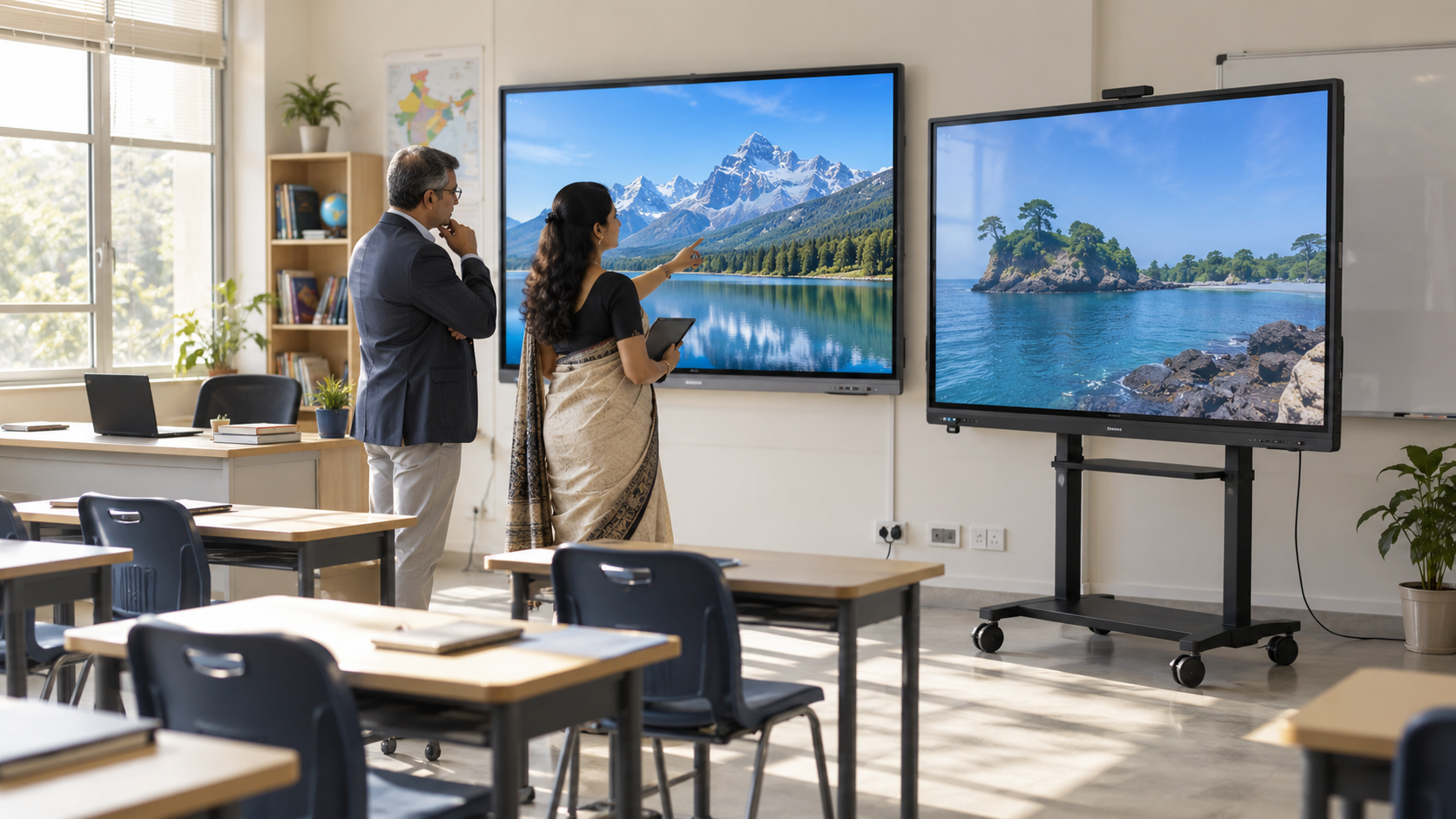
A classroom display alone does not create institutional maturity. While a basic display shows information, it lacks built-in tools needed to support evidence capture, usage logs, hybrid workflows, or automated reports.
That is where many institutions get stuck. They purchase technology, but they do not build an ecosystem. In the new accreditation landscape, the ecosystem matters more than the device.
Action Plan to Prepare Your Campus for MBGL Level 5
1. Align Daily Pedagogy with NEP 2020
The official UGC reform note connects the accreditation shift to the broader transformation of Indian higher education under NEP 2020. The goal is to improve the quality, flexibility, and competitiveness of institutions in line with national priorities.
For HEIs, that means classroom practice should support:
- Multidisciplinary learning
- Active participation
- Outcome-based teaching
- Continuous improvement
- Student-centric education
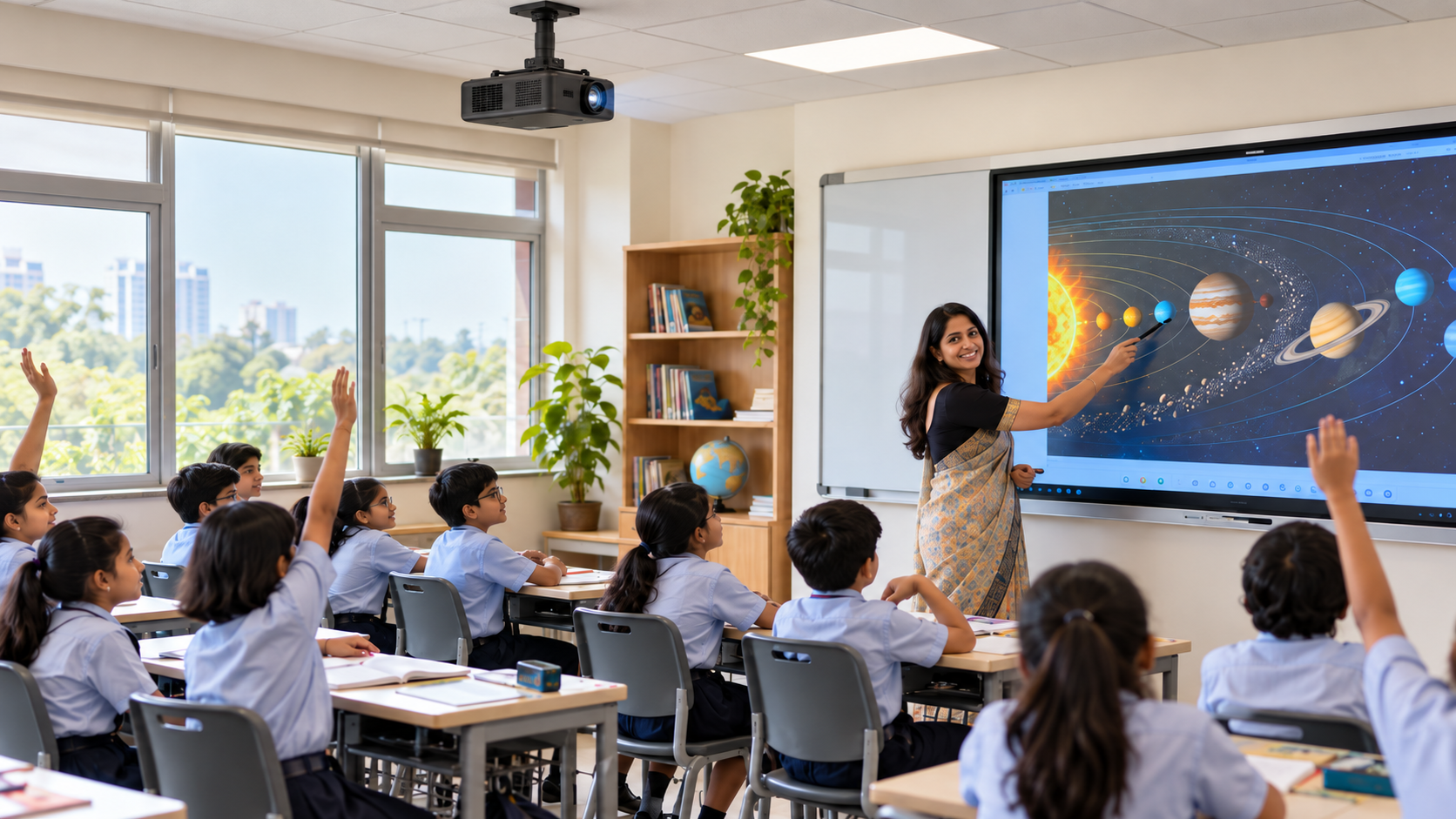
Smart classrooms help bring this to life because they make it easier to mix instruction, interaction, visuals, and digital resources in one place.
2. Implement a Comprehensive Lecture Capture System for Clean Audits
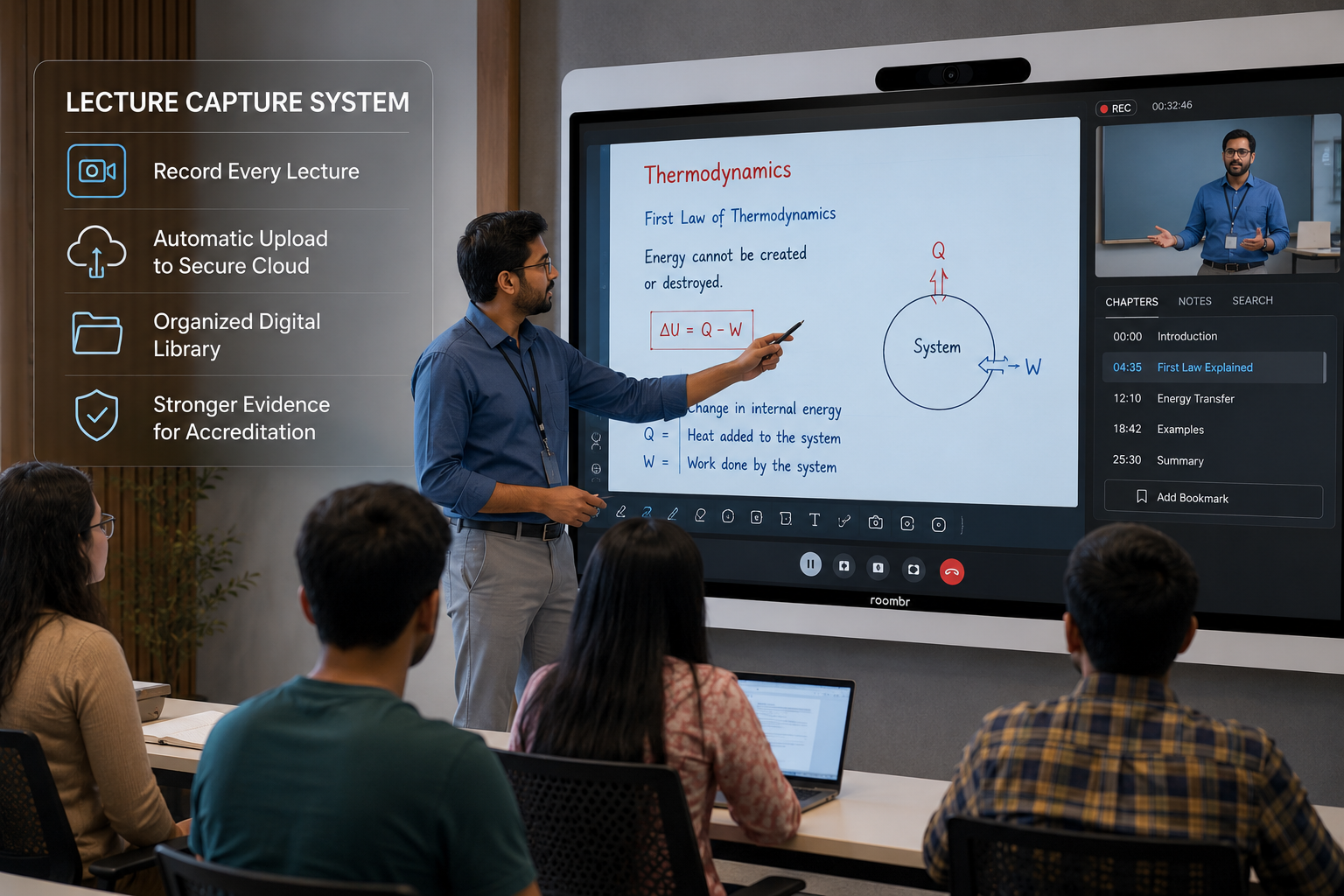
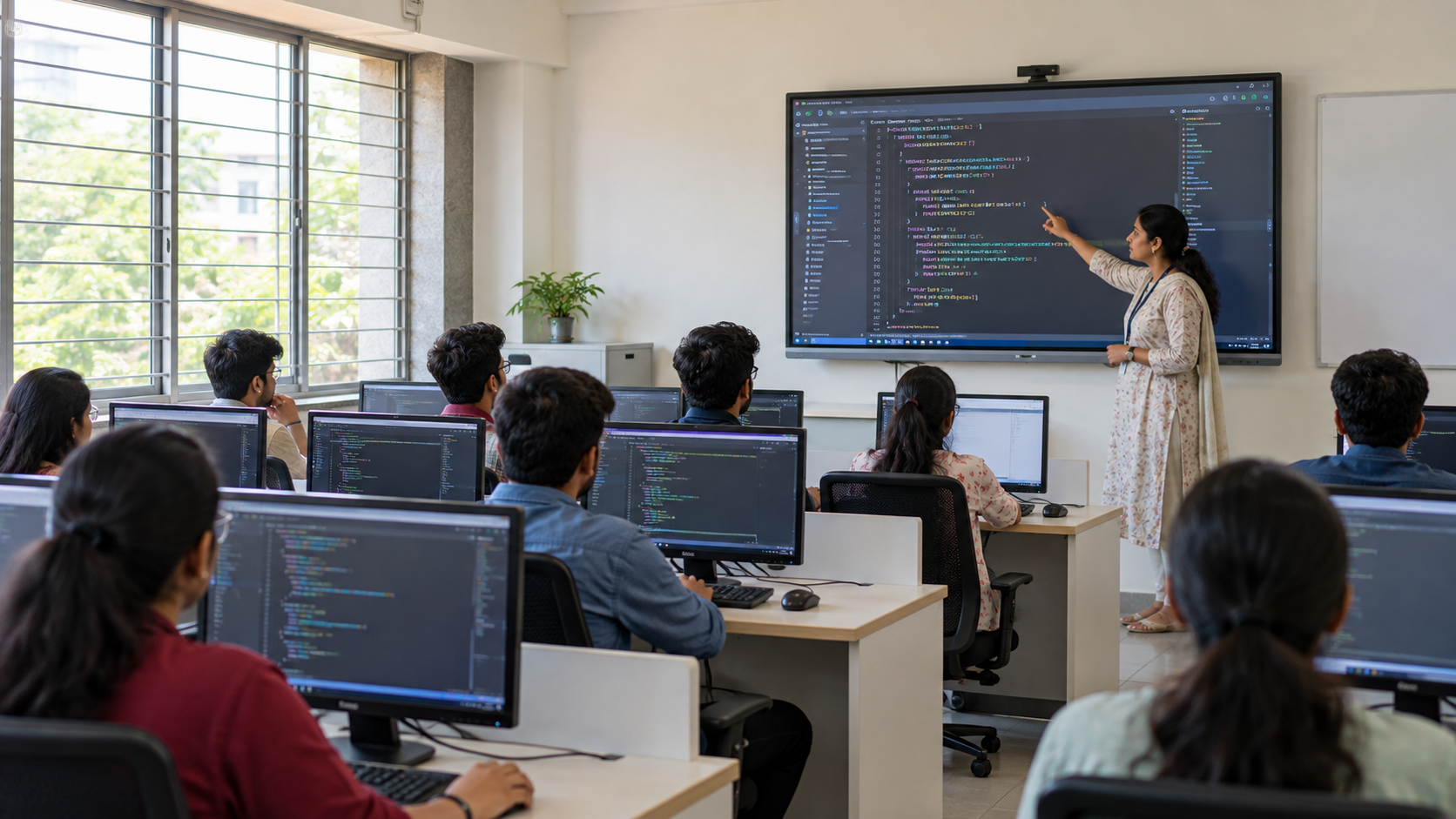
A lecture capture system is one of the most practical tools an HEI can adopt under a more data-driven accreditation model. It helps institutions document teaching activity, preserve academic evidence, and reduce the chaos of manual record gathering.
This is especially important because the value is not just in showing a class. It is in building a dependable record of how the class was delivered, used, and supported over time.
3. Track Real-Time Student Outcomes to Prove Academic Quality
The new accreditation mindset rewards outcomes, not just intentions. That means colleges must be able to show how teaching affects learning, participation, and student progress.
This is where digital assessments, classroom interaction tools, and measurable learning evidence become useful. They help institutions connect pedagogy with results instead of relying only on broad claims.
4. Strengthen Governance Through Centralized Campus Data
A mature institution is not only classroom-smart; it is governance-smart.
Centralized digital systems help leadership:
- View adoption across departments
- Reduce administrative friction
- Maintain cleaner documentation
- Respond faster during internal reviews
That is a real advantage for principals, IQAC coordinators, and academic heads who want a campus that runs with clarity rather than panic.
Eliminate the Common Roadblocks to Institutional Maturity
Solve the Faculty Adoption Challenge
The best technology still fails when teachers find it difficult to use.
If a system is too complex, faculty adoption drops. If it is intuitive, usage becomes habitual. For institutions preparing for accreditation reform, that distinction matters a great deal. The more natural the classroom workflow feels, the more likely the system is to generate the daily evidence HEIs need.
Simplify Documentation and Compliance Management
One of the biggest pain points for colleges is the end-of-cycle scramble. Departments collect files, cross-check records, and try to reconstruct what happened months earlier. That is expensive, stressful, and error-prone.
Centralized smart classroom systems reduce that burden by creating documentation as teaching happens. That makes compliance less reactive and more continuous.
Secure Long-Term Readiness with Scalable Infrastructure
Institutional maturity is not built through disconnected purchases. It is built through scalable frameworks that support continuous growth.
Colleges should prioritize technology that can support:
- Classroom use today
- Hybrid learning tomorrow
- Evidence generation across the year
- Long-term reporting needs across cycles
That is the kind of infrastructure that supports both quality and sustainability.
How Roombr Helps HEIs Prepare for the New NAAC Framework
Roombr is designed for institutions that need more than a display. It is built as an integrated digital classroom solution for colleges and universities that want stronger classroom engagement, cleaner documentation, and a more future-ready academic environment.
1. A Smart Classroom Ecosystem Designed for Accreditation Readiness
Roombr’s patented interactive walltop experience transforms the teaching space into a large-format digital learning environment. That helps institutions create a more visible, collaborative, and immersive classroom experience.
2. Built-In Lecture Capture and Digital Documentation Support
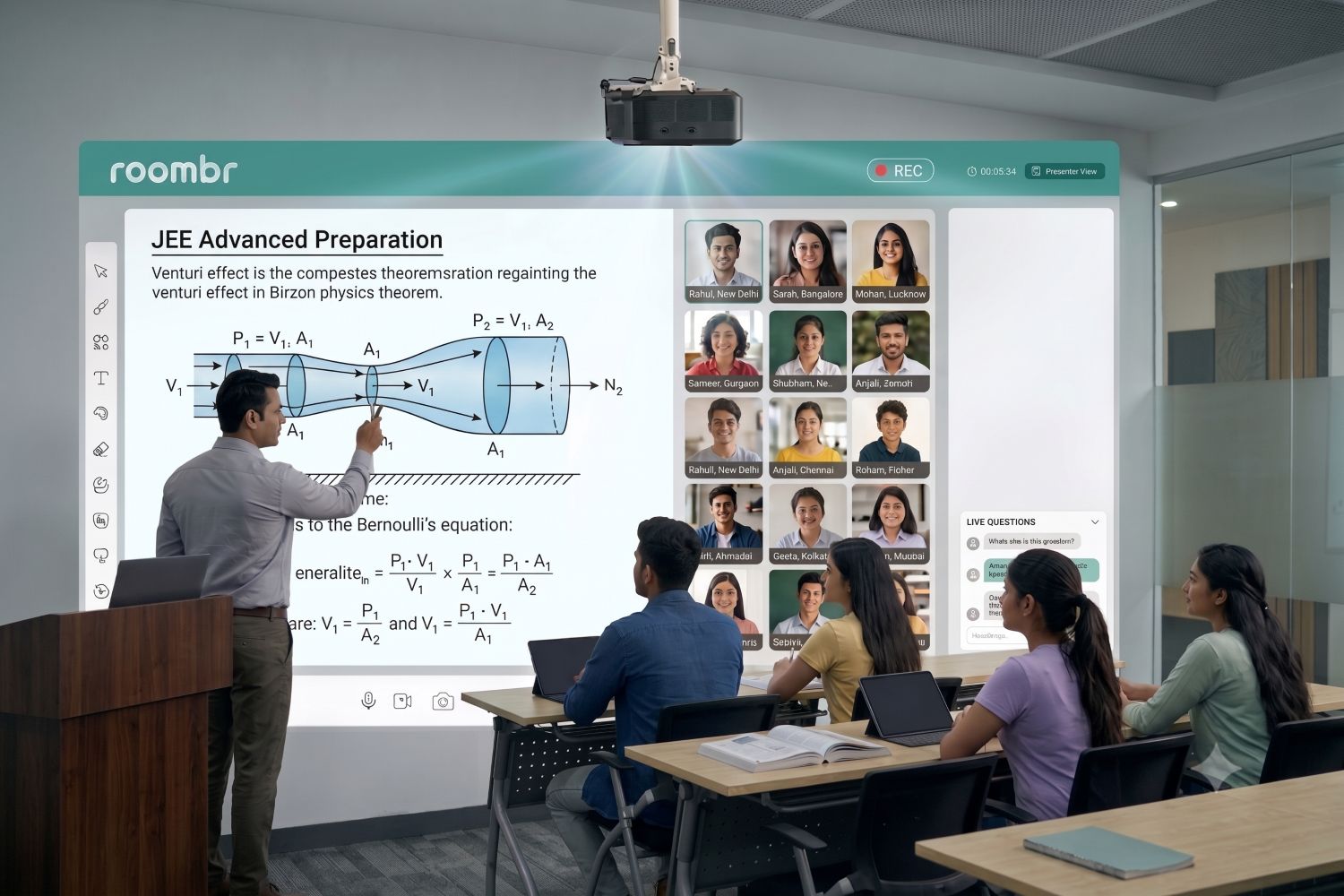
Roombr supports lecture capture and digital recordkeeping in a way that helps colleges maintain teaching evidence more cleanly over time. That makes classroom activity easier to track, review, and present when required.
3. Improved Faculty Adoption Through Intuitive Design
A system only works when teachers actually use it. Roombr is built to support that reality with an interface and teaching flow that feels practical, not intimidating.
4. Supporting Hybrid Learning and Student-Centric Education
As institutions move toward more flexible learning models, Roombr helps make teaching more interactive and adaptable. It supports hybrid delivery, classroom collaboration, and a stronger digital learning experience for students.
Key Insights
The new NAAC reform direction is clear: institutions must become more transparent, more data-driven, and more outcome-focused. That means the future of accreditation will depend less on last-minute paperwork and more on the quality of systems a college uses every day.
For HEIs, this is the right moment to rethink classroom infrastructure. Smart classrooms are no longer just a teaching upgrade. They are a readiness strategy.
Frequently Asked Questions
1. What is Binary Accreditation in NAAC?
Binary Accreditation is the new approach proposed in NAAC’s reform direction, where institutions are classified as either Accredited or Not Accredited rather than being judged only through traditional grade bands.
2. What is MBGL in NAAC?
MBGL stands for Maturity-Based Graded Levels. It is part of the reform framework designed to assess how mature an institution is across quality, governance, outcomes, and institutional processes.
3. Why is stakeholder validation important?
Stakeholder validation is meant to improve the authenticity of institutional claims by cross-checking data and evidence more carefully during the accreditation process.
4. How do smart classrooms help in accreditation readiness?
Smart classrooms support accreditation readiness by helping institutions create stronger classroom documentation, improve teaching engagement, support hybrid learning, and maintain better academic evidence over time.
5. What role does lecture capture play?
Lecture capture helps institutions preserve teaching records, support compliance, and maintain a more reliable digital trail of classroom activity.
6. Why should higher education institutions prepare now?
Because the reform direction has already been announced, the accreditation model is shifting toward a more data-driven, maturity-based system. Institutions that prepare early will be in a much stronger position when the new expectations fully apply.
Book a Roombr Demo
If your institution is preparing for NAAC reforms and wants a smarter way to support classroom quality, documentation, and readiness, Roombr can help.
Book a Roombr demo to see how an integrated digital classroom ecosystem can support your campus as it moves toward a more mature, data-driven accreditation future.

Foziya Abuwala
Share
Step Into the future of
Education with Roombr