
Education is full of buzzwords today. Terms like smart class, smart teaching, and digital classroom are commonly used in boardrooms, staff meetings, and administrative planning sessions. The school leaders often use these terms interchangeably. This creates confusion when institutions plan their infrastructure or try to train their educators. When the foundation is misunderstood, the execution usually fails.
This article explains the difference between a smart class and smart teaching in the simplest terms so you can make informed decisions. Although they are closely related, they are not the same thing.
What Is a Smart Class
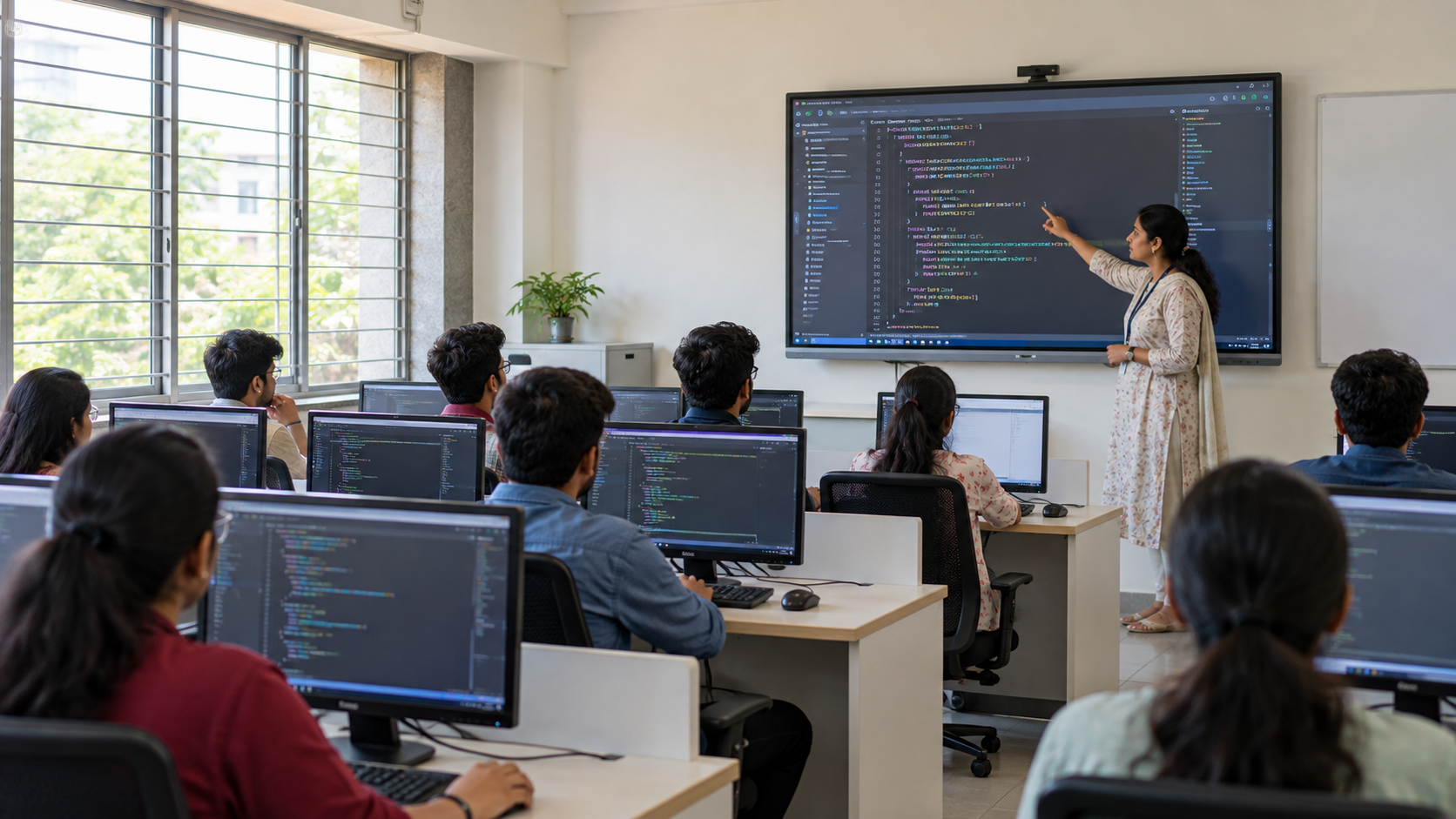
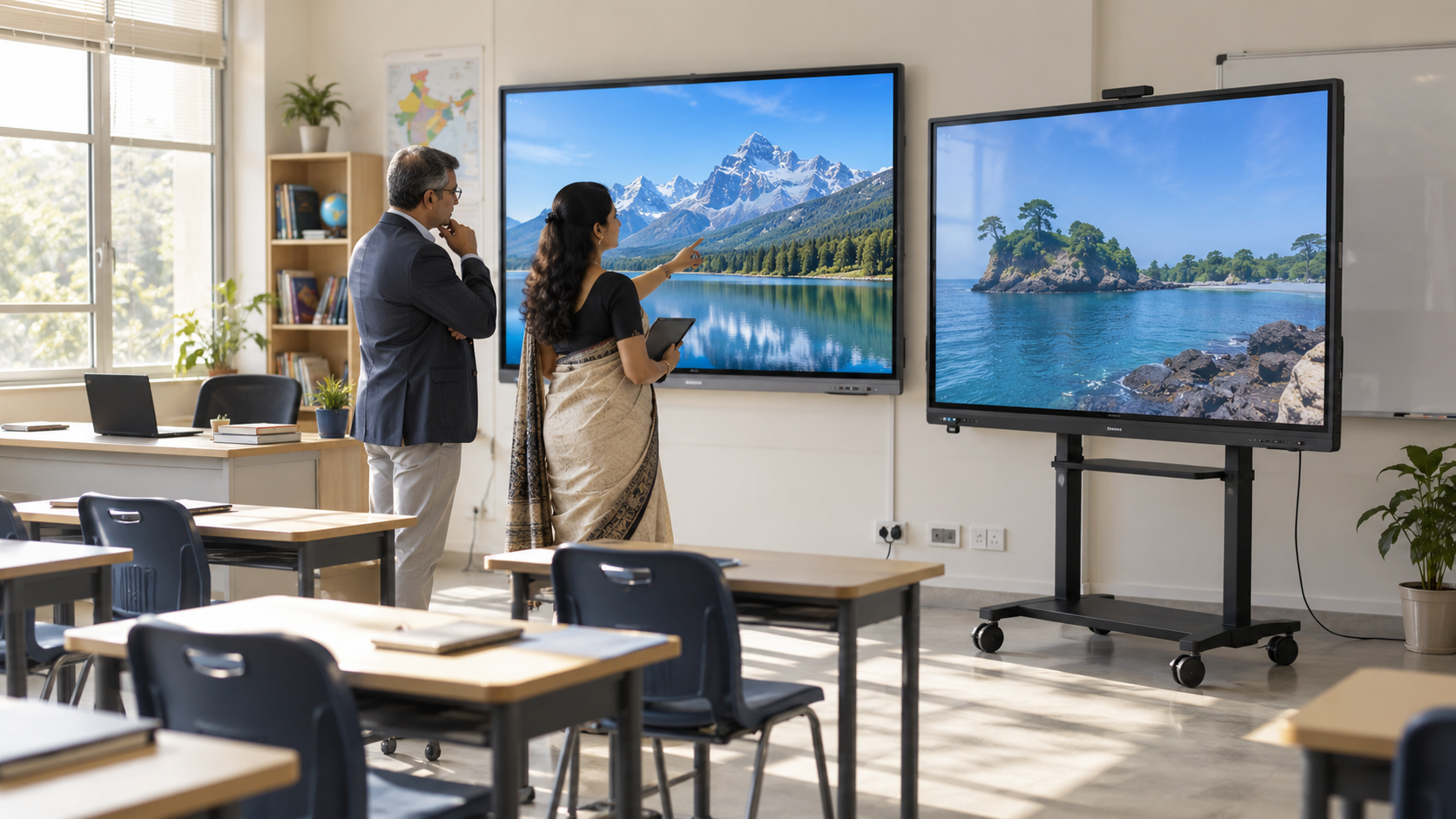
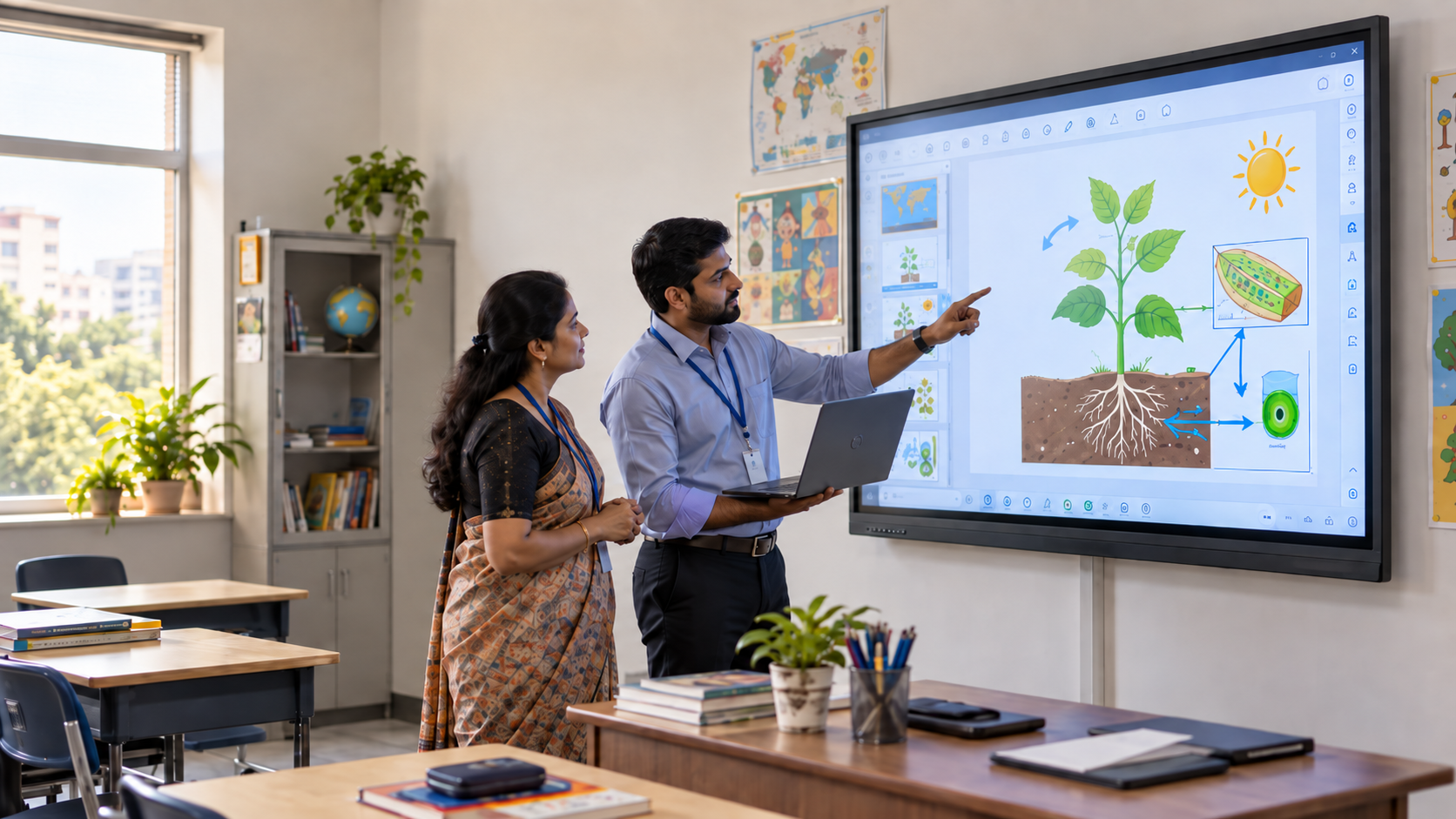
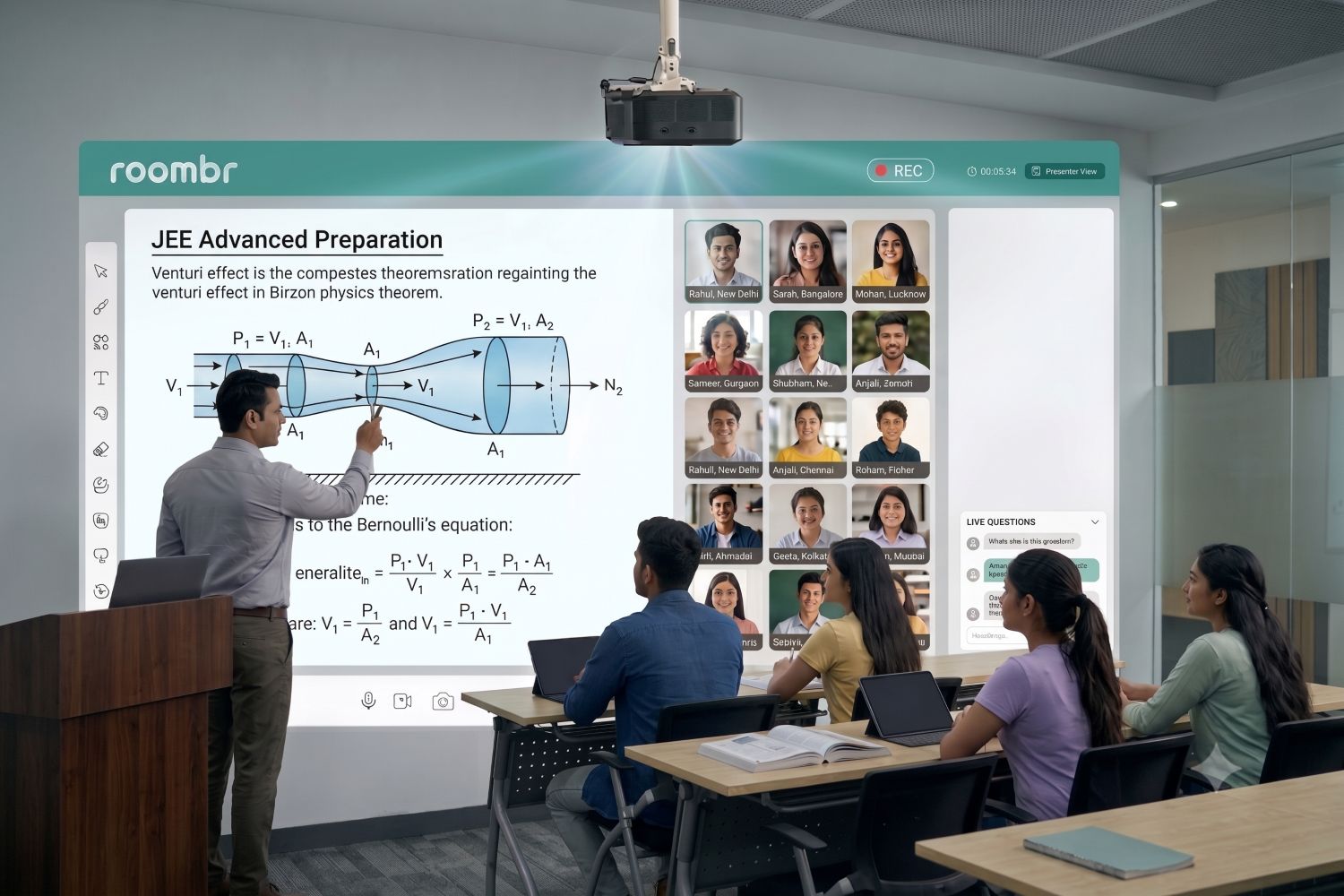
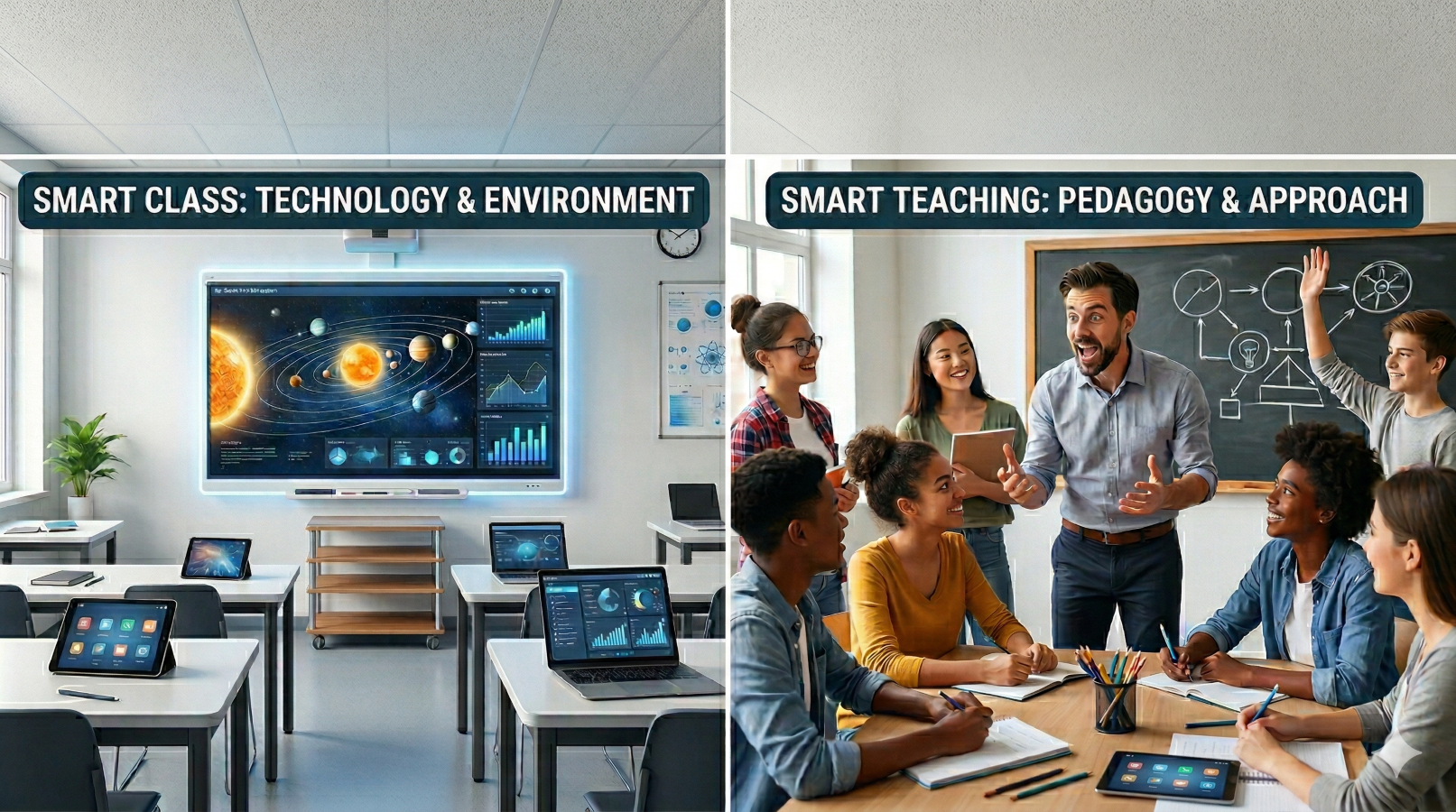
A smart class is a physical, technology-enabled learning environment. It includes the hardware and software infrastructure that transforms a traditional room into a highly modern educational space. This physical setup typically features interactive displays, high-quality audio-visual tools, and centralized content access systems. The primary focus of this technology is strictly to enhance how educational content is delivered to the students. A premium smart classroom provides the ultimate stage for impactful learning by removing physical limitations and bringing complex subjects to life visually. It gives the teacher the right tools to present information clearly.
Key Takeaway: A smart class provides the physical space and the digital tools needed to deliver a lesson.
What Is Smart Teaching
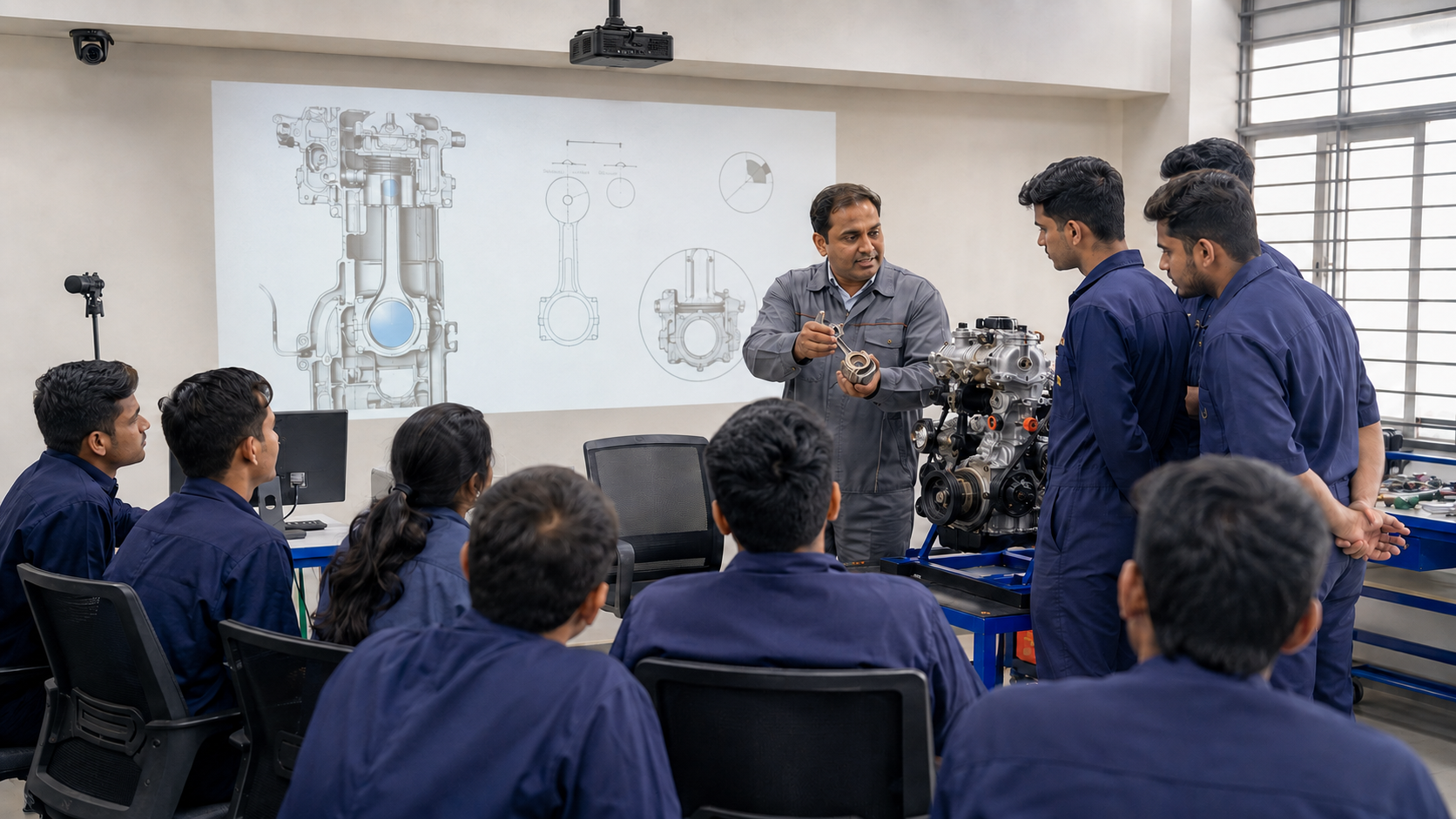
Smart teaching is a pedagogical method or a specific human approach to education. This concept focuses entirely on human elements like student engagement, critical thinking, and active daily participation. Educators practice this methodology through dynamic storytelling, activity-based learning, and open-ended questioning techniques that challenge students to think more deeply. An educator can be brilliant at explaining complex concepts using just a simple chalkboard. This is a crucial distinction that every school must understand. Smart teaching can absolutely exist without any advanced technology.
Key Takeaway: Smart teaching is how the teaching happens, not where it happens.
The Difference Between a Smart Class and Smart Teaching
To clear up the confusion completely, let us look at how these two educational concepts compare side by side. When you break them down, their distinct roles become obvious.
You can clearly see that one is the vehicle and the other is the driver. Buying the best vehicle does not automatically make someone a great driver.
Key Takeaway: A technologically advanced room does not automatically mean smart teaching is taking place inside it.
Can You Have a Smart Class without Smart Teaching and Vice Versa
Let us look at two real-world scenarios to see what happens when you isolate these two concepts.
1. Technology Without Pedagogy
Imagine a school installs an expensive digital board. However, the teacher only uses the screen as a projector to read static slides out loud. The students remain passive and bored. The outcome here is low engagement because the teaching method itself has not evolved to match the technology.
2. Pedagogy Without Technology
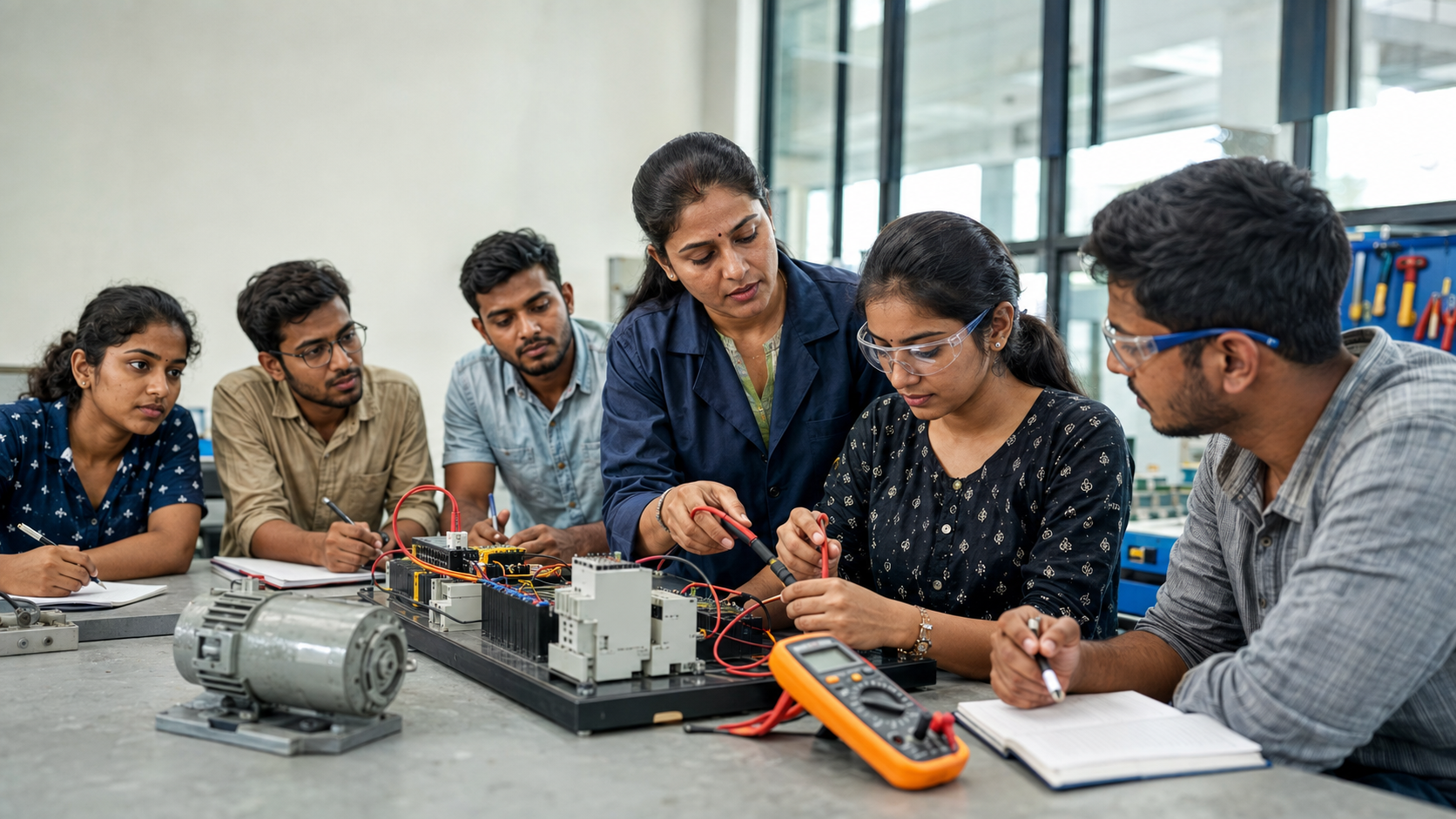
Now picture a teacher leading a brilliant classroom discussion filled with hands-on activities. There is zero technology involved in this room. The outcome is highly engaging but visually limited. The teacher cannot easily show a 3D model of the human heart or instantly pull up a historical map to scale the learning experience.
Takeaway: The absolute best educational results happen when a smart class and smart teaching work together seamlessly.
Why This Difference Matters for Schools and Educators
Understanding this fundamental distinction prevents costly mistakes. Many institutions rush out to buy expensive technology without ever training their educators on how to use it properly. Recognizing the difference helps administrators plan better financial budgets and prioritize essential teacher development programs. When you acknowledge that building a smart class in school requires confident educators to actually run it, you directly improve your student learning outcomes. The reality is that many educational institutions fail to see a return on their investment. The most successful schools thrive because they align their technology with how their educators naturally teach every single day.
How a Smart Class and Smart Teaching Work Best Together
When you combine the right physical environment with the right human methodology, classroom magic happens. The technology perfectly supports the lesson through high-definition visualization, instant interaction, and inclusive student participation. Meanwhile, the human teaching approach ensures that students stay fully engaged, truly understand the core concepts, and retain the complex information long after the final bell rings.
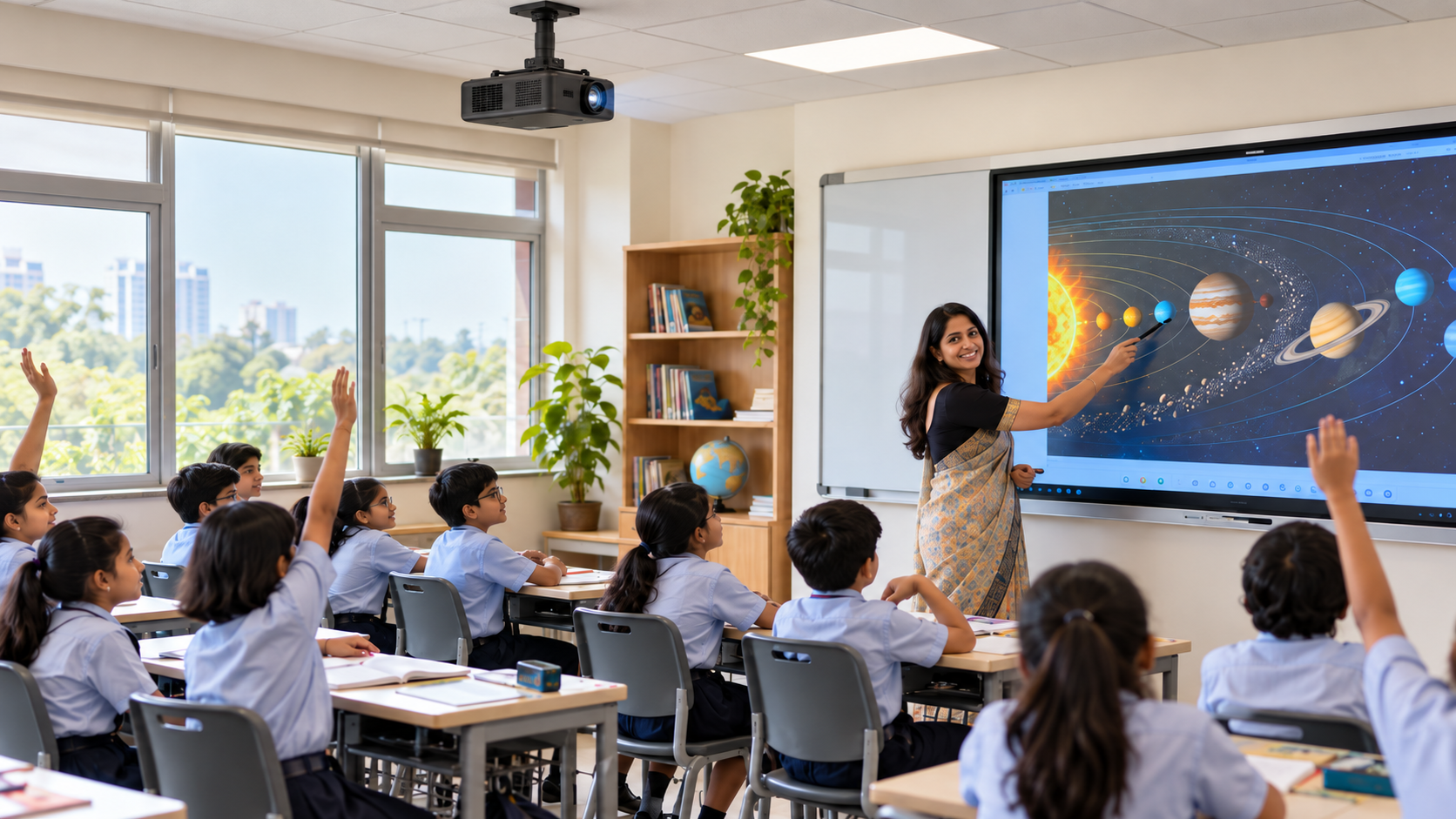
Let us look at a quick science lesson example to illustrate this perfect harmony. A teacher uses a smart class to project a highly detailed, rotating visual simulation of the solar system on the wall. Then, using smart teaching techniques, the educator pauses the simulation to spark a classroom debate and ask thought-provoking questions.
Key Takeaway: Together, they create much deeper learning.
The Future of Classrooms: Not Just Technology But Both
The goal is never to replace the educator with a screen. The true goal is to give a brilliant educator the best possible canvas. Education is not about choosing between advanced tools and human connection. It is about empowering great teachers to make every lesson unforgettable.
The best educational technology is the kind your teachers never have to actively manage. See how Roombr creates a frictionless canvas that lets brilliant teaching take center stage.

Foziya Abuwala
Share
Step Into the future of
Education with Roombr