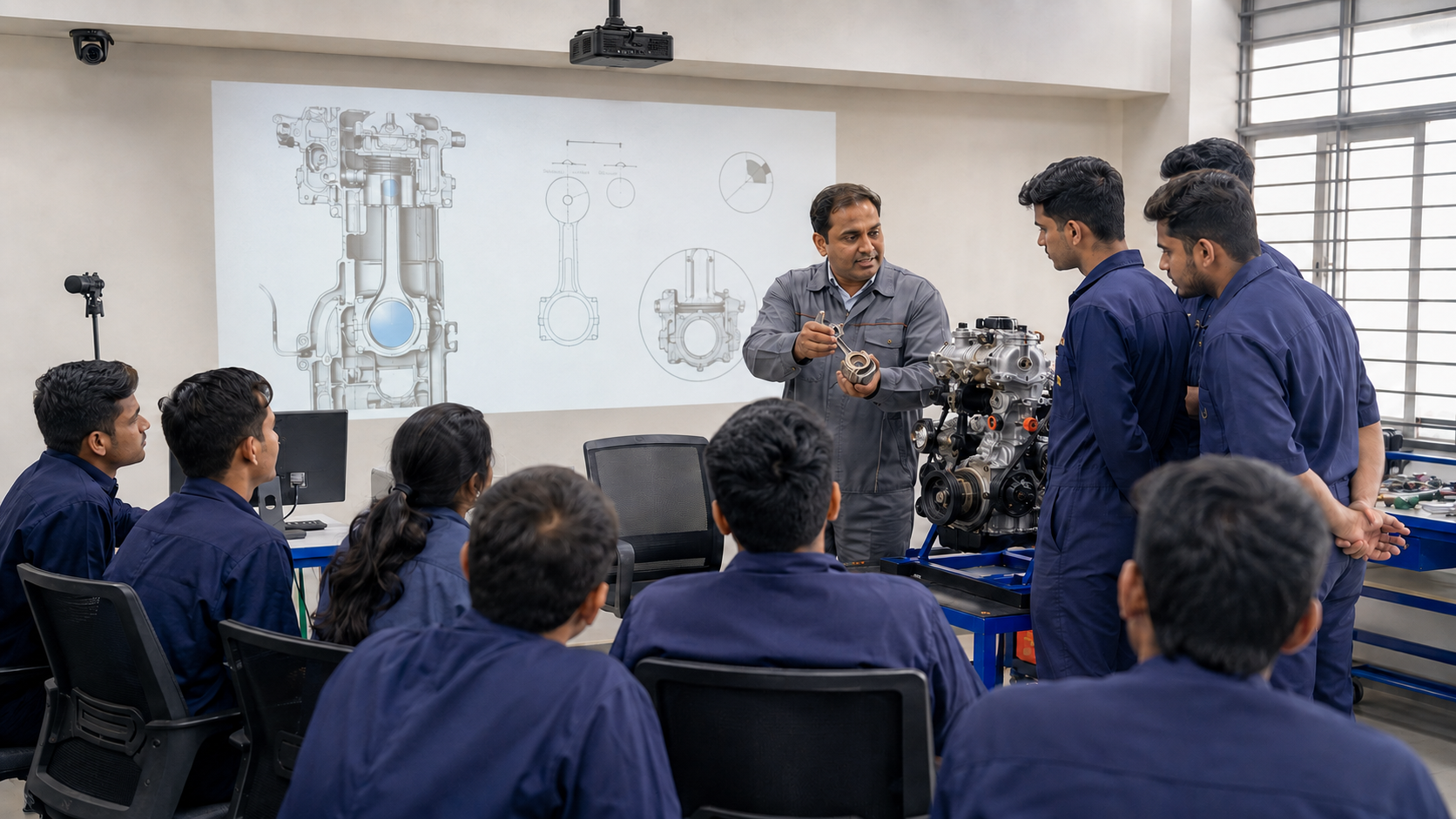


College administrators know the exhausting reality of preparing for an external educational audit. Gathering physical records from dozens of faculty members across various departments takes weeks of dedicated administrative effort. The pressure intensifies significantly when you must prove continuous technology utilization across the entire campus. Today, relying on manual data entry is no longer a viable strategy for securing a high NAAC Accreditation grade.
Decision-makers like IQAC coordinators and college principals need much more than just interactive screens on a wall. They need a comprehensive system that tracks daily compliance automatically in the background. By focusing on deep data analytics and automated evidence generation, institutions can entirely eliminate administrative paperwork. This allows them to present flawless, unquestionable reports to visiting peer teams and secure the future of their institution.
Why Manual Data Tracking Fails NAAC Accreditation Audits
College administrators often struggle with gathering physical utilization logs from busy faculty members. Teachers focus primarily on educating students and often forget to sign physical registers after using campus technology. This creates massive gaps in your institutional data. Manual tracking methods lead to lost records and an incomplete picture of your campus capabilities.
The Hidden Costs of Paper-Based Ledgers
Relying on physical logbooks creates a massive administrative bottleneck. At the end of every semester, the Internal Quality Assurance Cell must collect these ledgers from every single department. Administrative staff then spend hundreds of hours manually typing this handwritten data into spreadsheets. This process is prone to severe human error. A single misplaced ledger from the science department can completely derail your institutional readiness score.
The Challenge of the New MBGA Framework
The higher education landscape now operates under the new Maturity-Based Graded Accreditation framework. This system completely shifts how peer teams evaluate institutions across the country. Assessors no longer accept general qualitative claims about your technology usage. They demand hard quantitative proof for every single claim. If a college claims to use a digital classroom for modern pedagogy, the administrative team must provide data logs showing how often teachers activate those tools. Manual ledgers cannot provide the granular data required by this new, rigorous framework.
Missing Documentation Jeopardizes Your DVV Score
The Data Validation and Verification process is the most rigorous phase of the entire accreditation cycle. Human errors in manual tracking directly lower your final score during this crucial stage. When faculty members misplace physical logs or fill them out incorrectly, the institution loses vital DVV points. Auditors view missing paperwork as a critical lack of compliance. This immediately lowers your institutional readiness score and heavily jeopardizes your overall ranking.
How Smart Classrooms Fix NAAC Accreditation Compliance
Modern educational technology must go well beyond displaying multimedia presentations. It must actively solve administrative bottlenecks for your college leadership. A comprehensive software suite removes the burden of manual paperwork from your teaching staff. It acts as a silent data collector during every single lecture.
1. They Capture Geotagged Evidence Automatically
Assessors want undeniable proof that digital classes happen where and when you claim they do. A built-in lecture capture system records the time and location of every session automatically without any extra effort from the educator. It logs the date and adds a secure geotag to every piece of recorded content. This provides clear evidence for auditors. You never have to worry about fabricating schedules or missing documentation because the system records the absolute reality of your daily operations.
2. They Track Daily Teacher Utilization Metrics
Peer teams want to see deep faculty adoption of your digital infrastructure before they award a top grade. Administrative dashboards show which interactive tools educators use the most during their lectures. You can see how often teachers use the interactive whiteboard features, multimedia players, or online polling tools. This level of tracking proves that your staff actively embraces technology to enhance the overall educational experience.
3. They Export Data for Your Institutional Reports
Compiling the massive Self Study Report traditionally takes months of exhausting administrative work. Automated software changes this entirely for your internal teams. You can export daily teaching logs directly into the specific formats required for the report. This saves weeks of formatting and cross-checking data across different departments. Your administrative team can pull accurate reports with a few clicks and dedicate their time to strategic academic planning instead of endless data entry.
4. They Secure Institutional Data from Manipulation
Data integrity is a massive concern during external audits. Assessors look for signs of manipulated or backdated records. Automated systems lock in the data at the moment the lecture occurs. This prevents anyone from altering utilization metrics. Presenting a securely locked digital audit trail builds immense trust with the visiting peer team and proves your commitment to institutional transparency.
Mapping Software Analytics to NAAC Accreditation Criteria
The data generated by an automated tracking system directly supports the specific criteria that peer teams evaluate. You can confidently map your daily software reports to these strict guidelines to prove institutional excellence.
1. Proving Teaching and Learning Outcomes
NAAC Accreditation Criterion 2 focuses heavily on how effectively institutions deliver their chosen curriculum. Interactive session logs satisfy these heavy requirements by showing how teachers engage with their students daily. By tracking real-time participation and interactive quiz results through the system, you provide concrete evidence of improved learning outcomes. This raw data proves that your technology investment directly benefits student success and career readiness.
2. Validating IT Infrastructure Usage
NAAC Accreditation Criterion 4 requires solid proof that your physical and digital resources are adequate and well-utilized by the student body. Tracking the daily usage of digital assets across various college departments provides this evidence. When auditors see consistent daily login times and multimedia usage across the science, arts, and commerce blocks, they understand your IT infrastructure is highly active. A verified digital smart classroom environment demonstrates that you are using your budget to facilitate modern education.
3. Streamlining Institutional Governance Data
Effective governance is the absolute core of NAAC Accreditation Criterion 6. Automated tracking gives college leadership transparent oversight of all academic operations. A robust classroom management module allows principals and deans to see the big picture across the entire campus. They can track attendance trends and faculty performance metrics without micromanaging the staff. This transparent governance data is what peer teams look for during their evaluations.
4. Planning for Continuous Quality Improvement
Getting a high grade is not the end of the journey. Accreditation is an ongoing process of continuous improvement. Analyzing historical data trends helps colleges strategically plan future upgrades to maintain their high grades. By looking at which software features are used most frequently, administrators can make smart decisions about future training programs and intelligent budget allocations.
How Roombr Simplifies Your NAAC Accreditation Audit
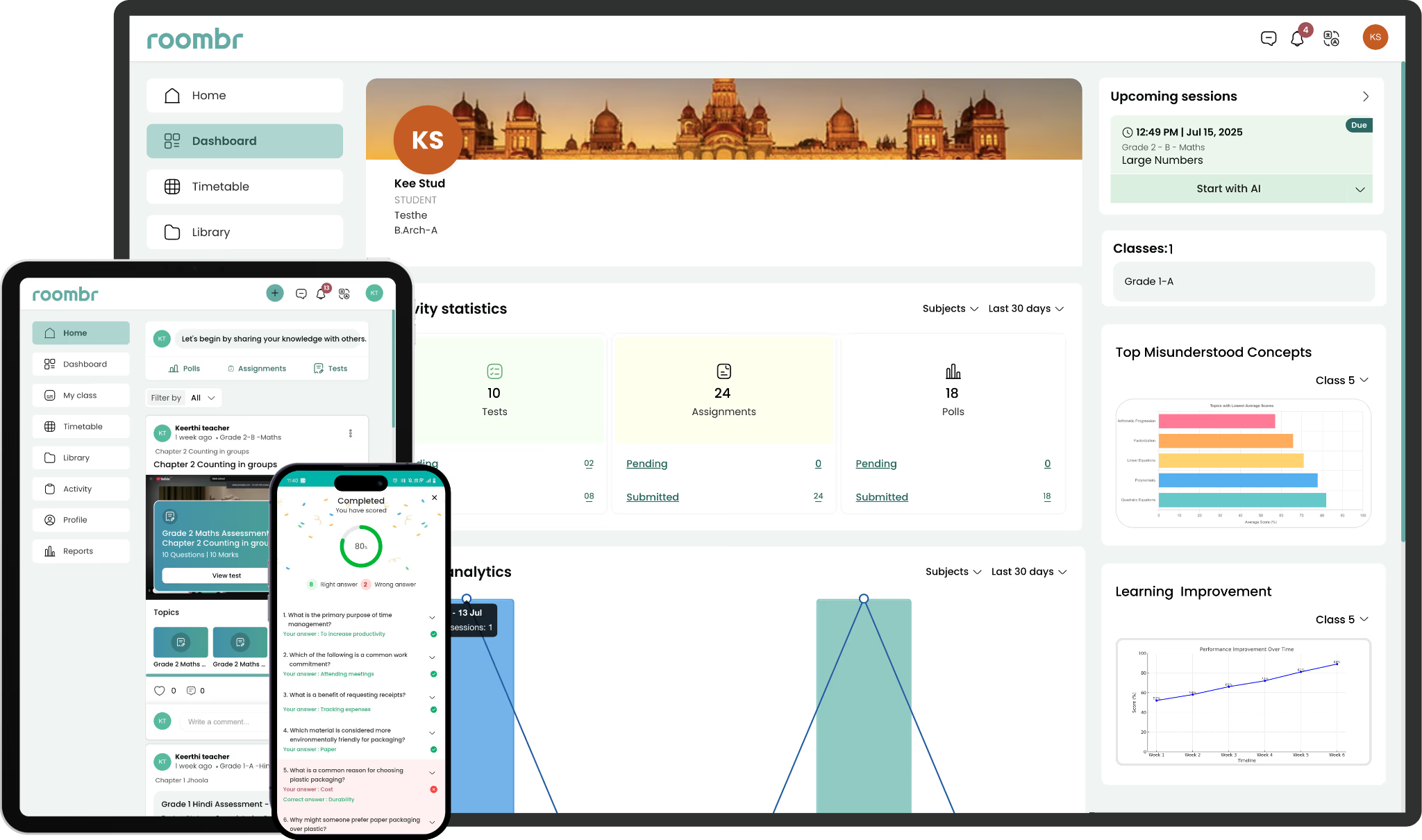
The Roombr software solution is engineered specifically to be the ultimate daily compliance tool for college leadership. It bridges the critical gap between delivering high-quality education and generating the documentation required for a top grade.
1. The Centralized Administrator Dashboard
College principals and IQAC coordinators receive direct access to a powerful centralized dashboard. This clean interface allows you to track campus-wide technology adoption from a single screen. You can instantly see which departments are leading in digital adoption and which ones need more technical support. This top-down visibility means you can address internal weaknesses long before the external auditors ever arrive on campus.
2. Tracks Hybrid Teaching Evidence Easily
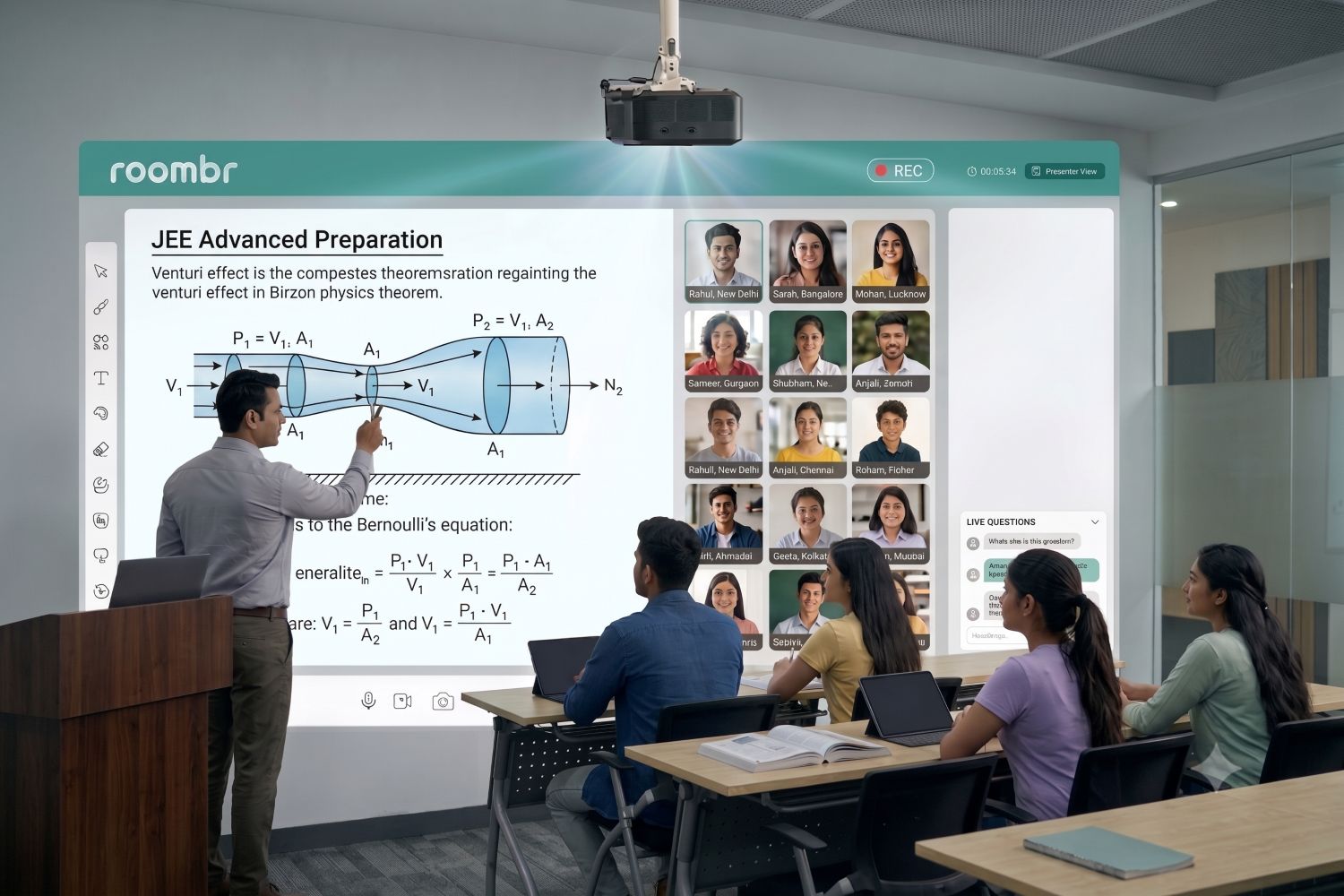
Modern education often blends online and offline environments to reach more students. Roombr natively supports hybrid learning by recording both in-person and remote student participation simultaneously. The system logs attendance for students sitting in the physical room and those joining via secure web links. This creates a robust and undeniable record of modern teaching methodologies that deeply impresses visiting peer teams.
3. Monitors Hardware Maintenance Logs
A non-functioning smart screen is often viewed as worse than having no screen at all. Auditors look closely at infrastructure maintenance to ensure you maintain your facilities properly over the years. Roombr automatically tracks system health and creates detailed maintenance records. These digital logs prove your infrastructure is consistently available, functional, and well-maintained. It shows the peer team that you have a highly sustainable long-term plan for your campus technology.
4. Integrates with Existing Campus Systems
Standalone technology creates more work for your administrative staff. Roombr is designed to work alongside your existing institutional tools. You can align your usage data with your current student information systems to create a unified view of campus operations. This seamless flow of data ensures your compliance tracking does not create isolated information silos.
Move Toward a Stress-Free NAAC Accreditation Process
Preparing for an external evaluation should never paralyze your administrative staff or disrupt your teaching schedules. Automated compliance tracking brings incredible peace of mind to an ambitious educational institution. When your digital infrastructure handles the data collection silently in the background, your educators can focus entirely on teaching. You permanently eliminate the rush to gather paperwork weeks before a critical audit.
Frequently Asked Questions
1. How long does the DVV process take after submitting the institutional report?
The Data Validation and Verification process typically spans 30 to 45 days after you submit your Self-Study Report. During this window, the administrative team may request further clarifications or additional evidence regarding your submitted metrics.
2. What is the difference between AQAR and SSR in terms of data requirements?
The Annual Quality Assurance Report acts as a yearly health check of your institutional processes. The Self-Study Report is a massive cumulative document submitted every five years. Maintaining accurate yearly reports makes compiling the final five-year document significantly easier.
3. Does the new MBGA framework require a specific data retention period?
Institutions must securely retain all academic and infrastructure usage data for the entire five-year cycle. Storing this information digitally ensures that historical records remain safe from physical degradation or accidental loss.
4. Who verifies the digital usage logs during a peer team visit?
The visiting peer team consists of senior academics, university vice-chancellors, and educational administrators. These experts cross-check your submitted digital logs with actual on-ground realities during their physical campus tour.
5. Can we use standard cloud storage for our compliance tracking records?
While general cloud storage is helpful for basic files, it lacks the specific geotagging and timestamping features required for strict educational audits. Purpose-built compliance software provides the exact metadata that assessors demand.
6. Are retroactive data entries accepted during an external evaluation?
No. Peer teams look very closely for backdated information or retroactive data entry. Systems that capture information organically in real-time provide the most trusted and credible evidence for your institution.
Build a NAAC Ready Campus With Roombr
Achieving a Level 5 maturity rating requires adopting tools built specifically for modern educational demands. Stop relying on paper logs and disjointed software solutions that frustrate your staff and jeopardize your audit.
Roombr transforms your college into a compliant ecosystem. Our holistic hardware and software solution silently captures the geotagged evidence and utilization metrics required for a top grade. Empower your educators to focus on teaching while our system builds your exact data trails in the background.
Experience how automated tracking streamlines your institutional readiness. Book a customized Roombr demo today and see our compliance dashboard in action.

Foziya Abuwala
Share
Step Into the future of
Education with Roombr